


'%20x='0'%20y='0'%20height='100%25'%20width='100%25'%20%0A%20%20%20%20%20%20%20%20%20%20xlink%3Ahref='data:image/jpg;base64,/9j/2wBDAAYEBQYFBAYGBQYHBwYIChAKCgkJChQODwwQFxQYGBcUFhYaHSUfGhsjHBYWICwgIyYnKSopGR8tMC0oMCUoKSj/2wBDAQcHBwoIChMKChMoGhYaKCgoKCgoKCgoKCgoKCgoKCgoKCgoKCgoKCgoKCgoKCgoKCgoKCgoKCgoKCgoKCgoKCj/wAARCAAGAAoDASIAAhEBAxEB/8QAFQABAQAAAAAAAAAAAAAAAAAAAAb/xAAhEAACAQMEAwEAAAAAAAAAAAABAwIABAUREiFBBhMyYf/EABUBAQEAAAAAAAAAAAAAAAAAAAED/8QAFxEAAwEAAAAAAAAAAAAAAAAAAAERAv/aAAwDAQACEQMRAD8AishjZ2vlN1gsbaY5K1qFwC2BbLaAJabyNez13+VKPyFoXsKZ3cFmR2x9aeBrwPmlKjluwD//2Q=='%3E%3C/image%3E%3C/svg%3E)

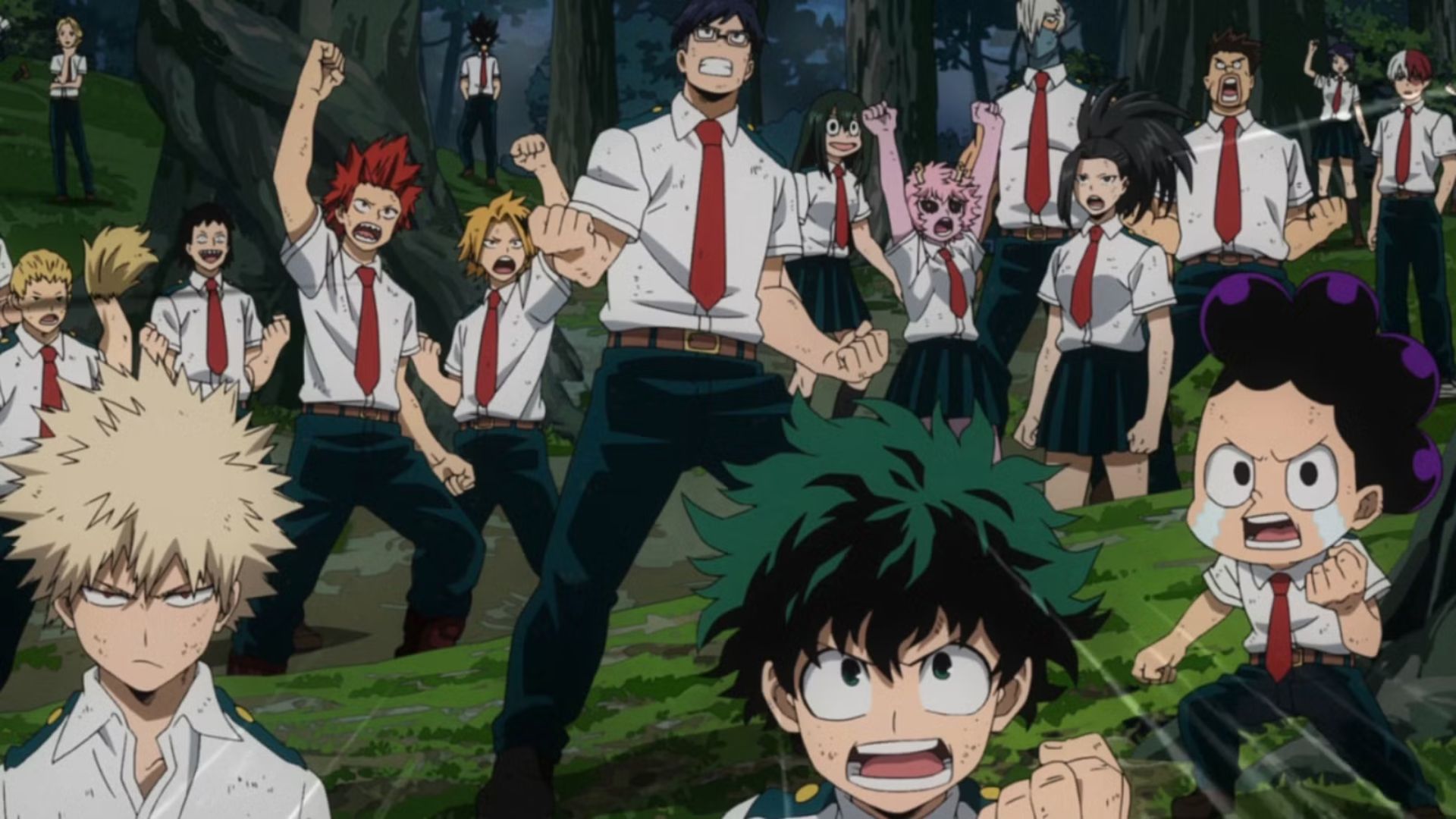
The finale of My Hero Academia represents the end of a modern shonen anime era. In almost ten years, My Hero Academia has amassed an enormous fan base around the world with its organized hero community and emotionally deep characters. Its long narrative neither overindulged in action nor sacrificed personal development. To a great number of viewers, My Hero Academia was not merely a battle anime. It was a coming-of-age story that dealt with themes of responsibility, legacy, and moral conflict in a world of superpowered individuals.
With My Hero Academia approaching its ultimate conclusion, audiences are scrambling to find anime to take its place. They are looking for series with a similar combination of character-driven storylines, power dynamics, and high-stakes battles. Although no single series can entirely replace My Hero Academia, some anime provide nearly the same levels of emotional engagement, theme development, and overall narrative value. The recommendations tend to be particularly applicable to viewers who followed My Hero Academia for its heroes, competitions, and gradual escalation, as opposed to spectacle alone.
Anime like My Hero Academia worth watching after the finale
10. Fire Force

Fire Force introduces a situation in which spontaneous human combustion poses a menace to society, and specialized fire soldiers are charged with preventing it. Similar to My Hero Academia, the show revolves around training, coordination, and ideological conflicts within a structured system. The way its protagonist has to deal with the perception of others reflects many of the early themes of My Hero Academia.
9. Blue Exorcist

Blue Exorcist adheres to the story of a young boy who learns that he is the son of Satan, and he joins an academy where he trains to battle demons. My Hero Academia fans will be familiar with the well-known formula of a school-based power system and internal identity conflict. The conflict between fate and choice is extremely emotional and is strongly similar to the experience of Izuku Midoriya.
8. Black Clover

Black Clover has been frequently compared to My Hero Academia because it also has shonen roots and an underdog character. The idea of Asta not having magic in a world that is dominated by magic is very similar to the initial struggles experienced by Deku. The show rewards patience through consistent increases in power, competitor dynamics, and grand-scale scenery similar to subsequent arcs of My Hero Academia.
7. Jujutsu Kaisen

Jujutsu Kaisen is a darker and more intense version of power, sacrifice, and mentorship. Though it is rougher than My Hero Academia, it still shares the same principles of structured powers, morally ambiguous villains, and deaths that have a ripple effect on both characters and their lives. This will be of particular interest to fans who enjoyed the tonal shift of My Hero Academia later on.
6. Mob Psycho 100

The emotional intelligence of Mob Psycho 100, and not its action alone, is notable. Similar to My Hero Academia, it addresses the question of what it actually means to be strong and responsible with power. It is also presented in a way where the personal development of the protagonist is as important as wins. This is likely why it resonates with fans who appreciated My Hero Academia’s moments of introspection.
5. Demon Slayer

Demon Slayer substitutes superhero society with the traditions of being a demon hunter, but the emotional background remains the same. Perseverance, loss, and moral clarity are themes that My Hero Academia viewers can strongly relate to. The quality of its animation and power development is clear and effective, which makes it an excellent next watch after My Hero Academia.
4. World Trigger

World Trigger does not prioritize raw power and instead focuses more on tactical battles, strategy, and teamwork. This organized fighting system will be attractive to fans who liked the training episodes of My Hero Academia and the coordinated actions of the heroes. Character progression is slow, which rewards serious long-term investment, much like My Hero Academia did.
3. Hunter x Hunter

Hunter x Hunter is frequently mentioned as a major source of inspiration for modern shonen, such as My Hero Academia. Its changing power structure, morally questionable characters, and unpredictable plot progression offer more than what one would expect from a traditional genre entry. This series will be enjoyed by fans of My Hero Academia who appreciate multifaceted villains as shown throughout the series.
2. One Punch Man

Although it is more of a satire, One Punch Man breaks down hero society in a manner that supplements the seriousness of My Hero Academia. Behind its humor is a keen commentary on the ranking of heroes, the public perception of heroes, and burnout. It is a thought-provoking complement for audiences who wish to approach the themes of My Hero Academia from a new perspective.
1. Fullmetal Alchemist: Brotherhood

Fullmetal Alchemist: Brotherhood is the nearest spiritual follow-up that can satisfy those who want the full My Hero Academia experience. It strikes a balance between world-building, ethical dilemmas, long-term character arcs, and emotional payoff in an exceptional way. Similar to My Hero Academia, it provides a clear resolution that makes every moment of the ride worth it.
 Trending
The finale of My Hero Academia brings to an end one of the most significant chapters in the history of contemporary anime, yet it also ushers in a territory of other equally interesting narratives. All the aforementioned series provide a bit of what My Hero Academia fans adored. This includes dramatic character development, emotional investment, moral richness, and the timeless value of heroes attempting to do the right thing. Although My Hero Academia has its own legacy to consider, these anime ensure that the spirit of the show will live on. It continues through new worlds, new heroes, and new kinds of heroism waiting to be discovered.


 Reply
Reply


