


'%20x='0'%20y='0'%20height='100%25'%20width='100%25'%20%0A%20%20%20%20%20%20%20%20%20%20xlink%3Ahref='data:image/jpg;base64,/9j/2wBDAAYEBQYFBAYGBQYHBwYIChAKCgkJChQODwwQFxQYGBcUFhYaHSUfGhsjHBYWICwgIyYnKSopGR8tMC0oMCUoKSj/2wBDAQcHBwoIChMKChMoGhYaKCgoKCgoKCgoKCgoKCgoKCgoKCgoKCgoKCgoKCgoKCgoKCgoKCgoKCgoKCgoKCgoKCj/wAARCAAGAAoDASIAAhEBAxEB/8QAFgABAQEAAAAAAAAAAAAAAAAAAAMF/8QAHxABAAEDBAMAAAAAAAAAAAAAAQIAAxEEBRIhMTJh/8QAFQEBAQAAAAAAAAAAAAAAAAAAAgb/xAAfEQACAQIHAAAAAAAAAAAAAAABAgADIQQREhORwdH/2gAMAwEAAhEDEQA/ANzUadNx2+824S43AJt2cZQbgxcA4ckcd+Puau6fkrhM9+7SlHdqZk6jyfZK49FRKYW1u5//2Q=='%3E%3C/image%3E%3C/svg%3E)

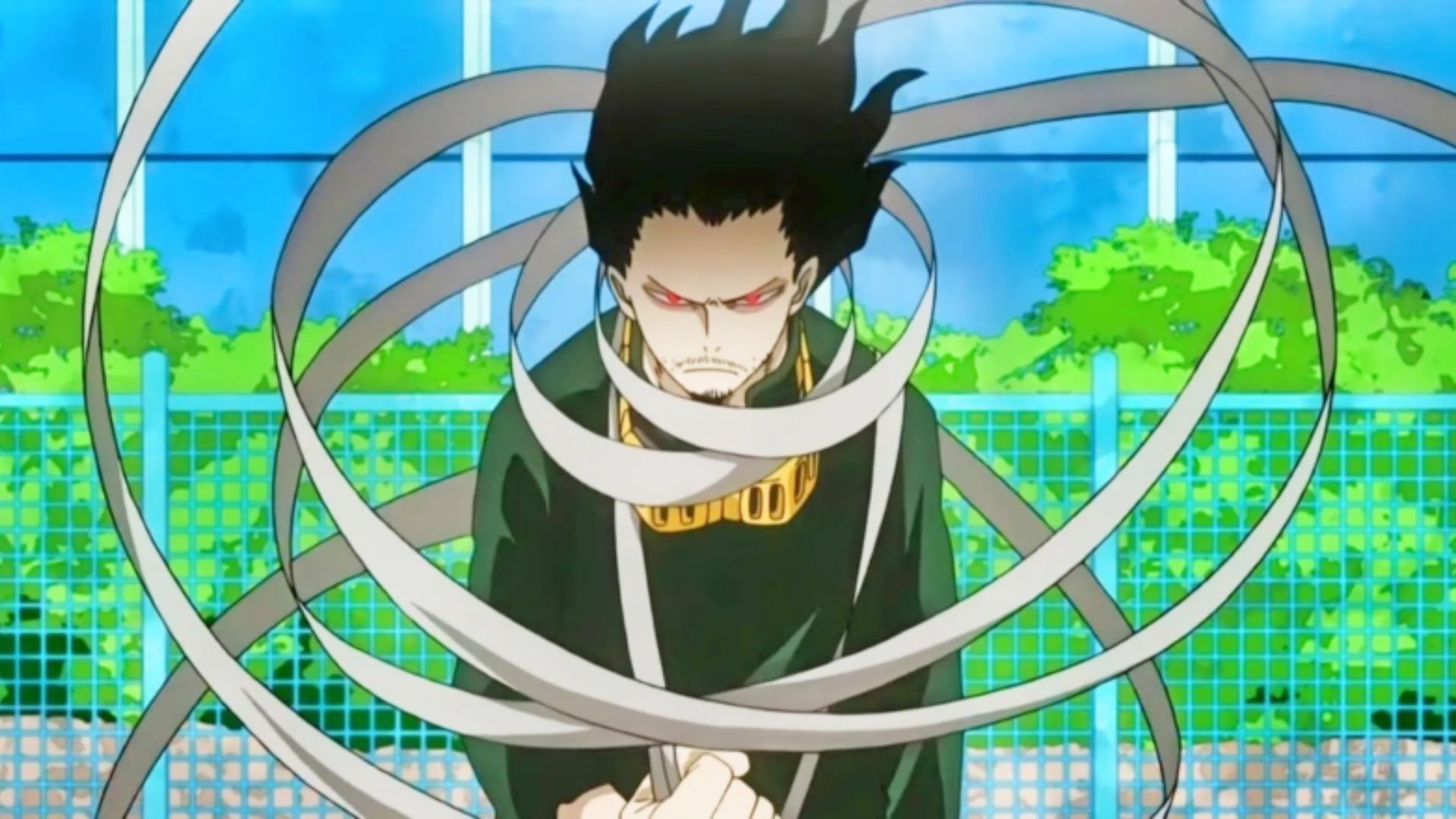
Fans of My Hero Academia have long doubted Shota Aizawa as one of the most complicated characters of the franchise, and My Hero Academia: Vigilantes offers an even more detailed look at the character and his background. The manga is a prequel to My Hero Academia, which occurs several years earlier than the U.A. plot, and primarily focuses a large part on the development of Aizawa. The series describes how the events that occurred to him as a student of U.A. formed the basis of the underground hero later on in My Hero Academia through vivid flashbacks. This source addresses various gaps in the story that the primary manga had mentioned, but only a little.
My Hero Academia: Vigilantes provides the most comprehensive canon back story that Aizawa has had up to this point, detailing his time in school, friendships and the tragedy that helped shape him. His initial association with Hizashi Yamada (Present Mic) and Oboro Shirakumo is confirmed in the story and forms the core of his emotional life. It is also the death of Shirakumo in a failed mission, which is a critical element in the personality change of Aizawa in My Hero Academia. This structured sequence establishes the emotional foundations of the teacher fans know today.
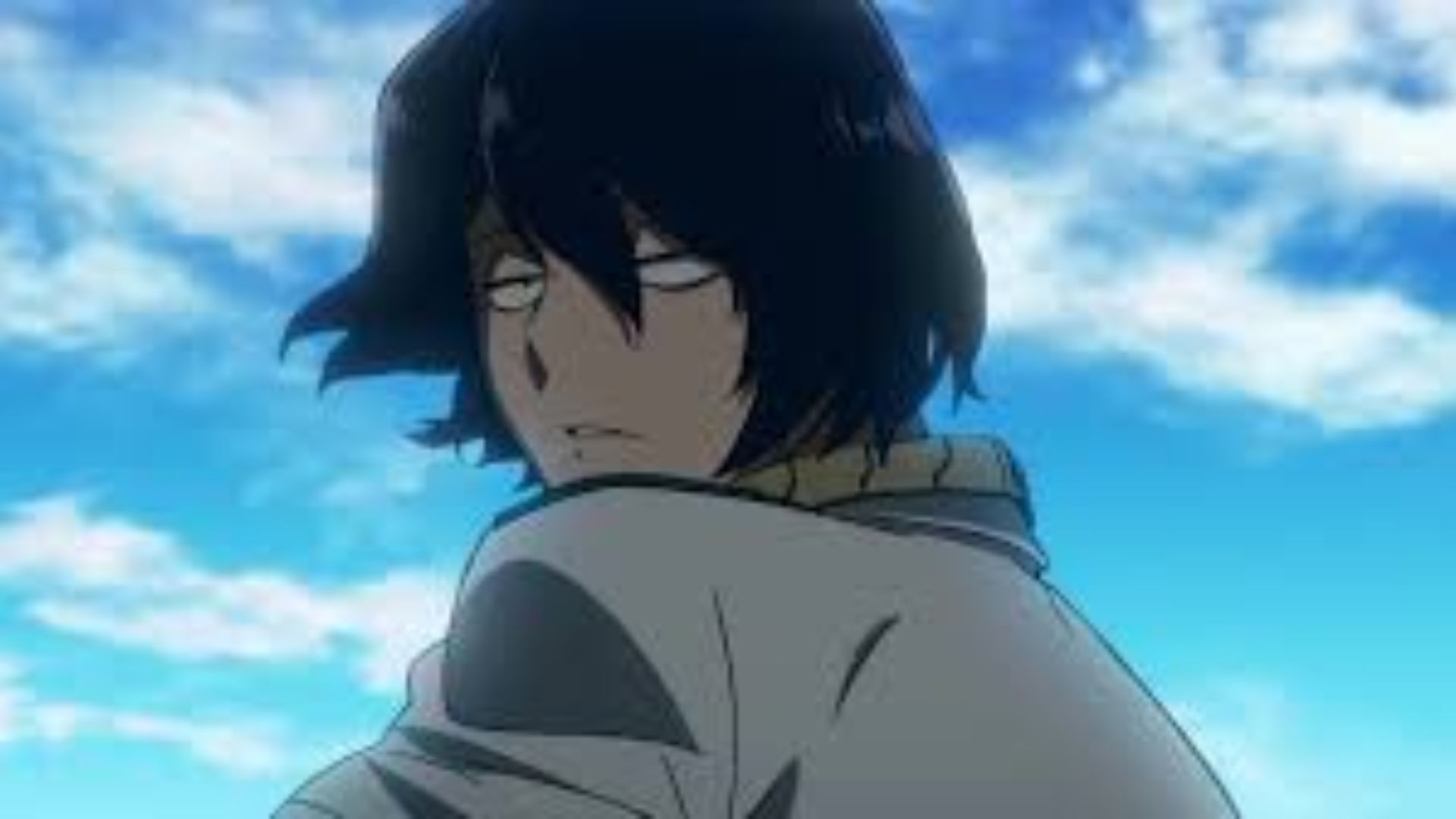
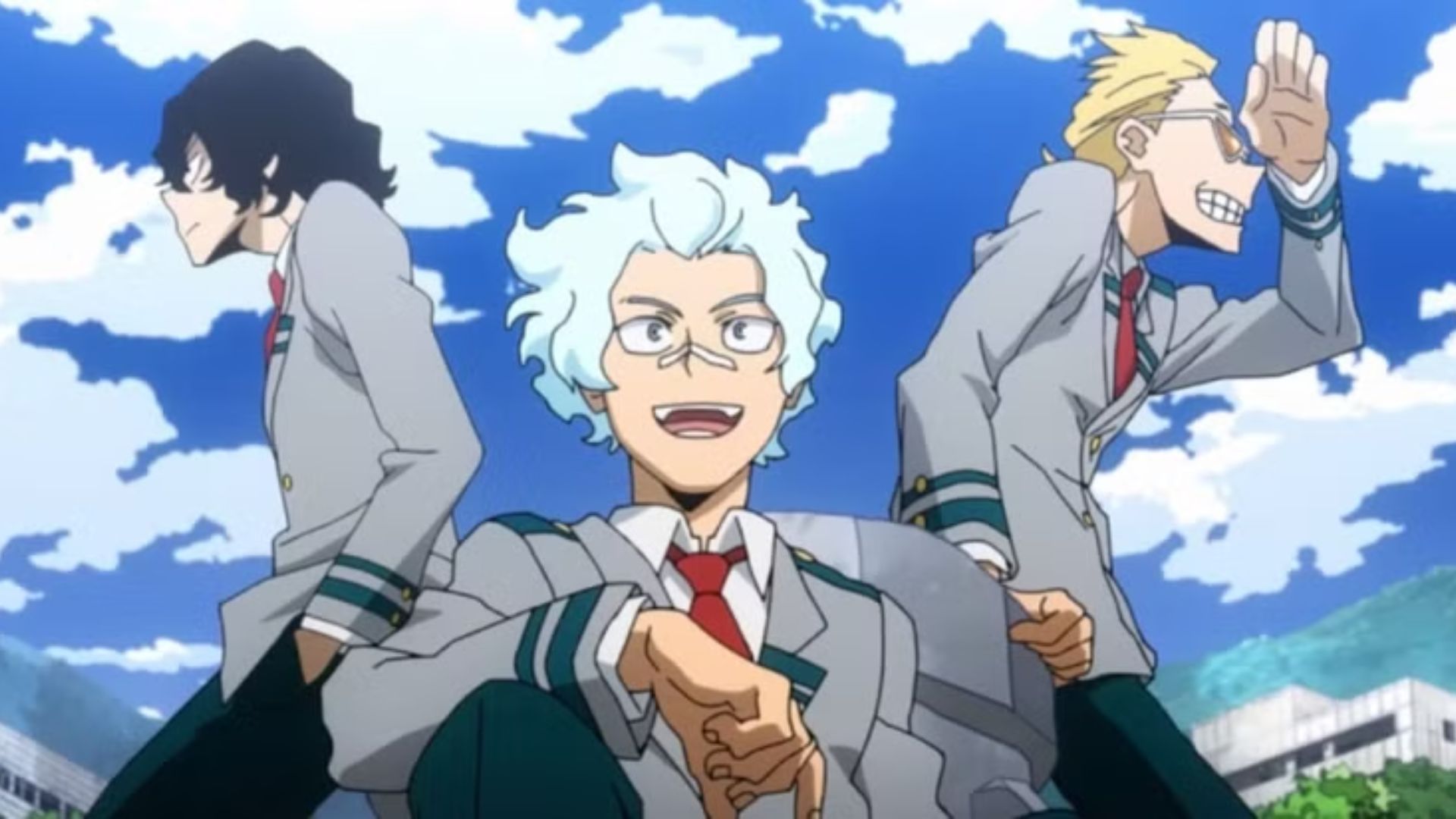
The flashback storyline in My Hero Academia: Vigilantes puts the character of Aizawa as a confused U.A. student who is not sure if he belongs in the work of a hero. His relationship with present Mic and Shirakumo is the driving force behind him as they both urge him to perfect his Erasure Quirk and become more disciplined. Their common desire to start up a hero agency is highlighted to serve as a representation of their relationship. This information enhances the links between the spinoff and the core story of My Hero Academia.
Shirakumo’s death becomes the turning point that Vigilantes explores with detail absent from My Hero Academia’s primary storyline. The incident occurs during a villain attack in their second year, showing the three attempting a coordinated rescue before the collapse that kills Shirakumo. Aizawa’s resulting grief, guilt, and internalized responsibility reshape his philosophy on heroism. This shift explains his stern demeanor in My Hero Academia, providing emotional and narrative context.
Aizawa’s evolution in My Hero Academia through the lens of Vigilantes
Following Shirakumo’s death, My Hero Academia: Vigilantes shows Aizawa abandoning the trio’s agency dream and turning instead to underground hero work. These chapters show his education in his youth and how he emphasized his focus on stealth and how his choice of combat efficiency and not being noticed. This development is consistent with his subsequent portrayal in My Hero Academia, where he has been known to neutralize villains very fast and no media attention. The spin-off further illustrates how his style was not a natural inclination but a reaction to loss.
The manga then traces how Aizawa gradually transitions from a field operative to a U.A. teacher, a shift referenced only lightly in the main My Hero Academia storyline. Vigilantes explains how Present Mic and faculty members encourage him to reconsider, highlighting the long-term parallels between his past and his desire to guide new students. The emotional link to Shirakumo resurfaces here, becoming a motivator for shaping the next generation. These events align seamlessly with the developments seen later in My Hero Academia.
The relation between Aizawa and Kurogiri was one of the most important links between My Hero Academia and Vigilantes. This is revealed by the flashbacks of vigilantes and later reveals in the main manga of how the body of Shirakumo and the Quirk Factor were reused in Nomu Kurogiri. The revelation in My Hero Academia is much more impactful when it comes to understanding their mutual past in Vigilantes. The chronology of the spin-off supports the reason why Aizawa is so violent in the Kurogiri interrogation.
Aizawa includes the main backstory parts of My Hero Academia: Vigilantes centered around the arc of School Days, which is approximately the content gathered around the time of Volume 8. The chapters are readable on their own, although the number of them in the context of the whole story reinforces the character development and thematic flow. The audiences of both series could better understand the way of evolution of the pro-hero system and why Aizawa acts differently when compared to other teachers in My Hero Academia.
 Trending
To sum up, My Hero Academia: Vigilantes offers the best description of the past of Aizawa and it gives the necessary context to his character in My Hero Academia. The manga also provides additional narrative information absent in the main story by explaining his friendships, his losses, the way he was trained as a hero at a young age, and his motivations. The series not only validates his entire backstory, but also lends credibility to his role in the greater themes of My Hero Academia: mentorship, persistence, and heroism.


 Reply
Reply


