


'%20x='0'%20y='0'%20height='100%25'%20width='100%25'%20%0A%20%20%20%20%20%20%20%20%20%20xlink%3Ahref='data:image/jpg;base64,/9j/2wBDAAYEBQYFBAYGBQYHBwYIChAKCgkJChQODwwQFxQYGBcUFhYaHSUfGhsjHBYWICwgIyYnKSopGR8tMC0oMCUoKSj/2wBDAQcHBwoIChMKChMoGhYaKCgoKCgoKCgoKCgoKCgoKCgoKCgoKCgoKCgoKCgoKCgoKCgoKCgoKCgoKCgoKCgoKCj/wAARCAAGAAoDASIAAhEBAxEB/8QAFgABAQEAAAAAAAAAAAAAAAAAAAMH/8QAIxAAAQMCBQUAAAAAAAAAAAAAAgEDBAAFBhEhI2ESMTJRwf/EABUBAQEAAAAAAAAAAAAAAAAAAAIE/8QAGhEAAQUBAAAAAAAAAAAAAAAAAgABAyEiEf/aAAwDAQACEQMRAD8AynF1zuMkWoU14XXAUgZMNvoEcvXPGveoO3jEtudOEN2FUjErKbefjp8pSqZMcYaZAN2Vr//Z'%3E%3C/image%3E%3C/svg%3E)

My Hero Academia: Vigilantes can be regarded as a worthy addition to one of the most influential shonen series over the past decade. My Hero Academia expanded to anime series, movies, comics, and spin-offs, and since its launch in the Weekly Shonen Jump magazine in 2014, has been covering the hero society from different viewpoints. Such is My Hero Academia: Vigilantes, as it provides a change of mindset to stop focusing on licensed heroes and students, but focusing on the unregistered vigilantes that live on the outskirts of the law. This is the other way of approach that has prompted a premodern dispute as to whether My Hero Academia: Vigilantes is a canon constituent or a side-story, optional.
My Hero Academia: Vigilantes is canon to the main series in very explicit terms that have been validated by the appearances of the creators as well as by the character consistency in the plot, as well as by the explicit crossover allusions in the original manga. The prequel manga literally takes place within the identical period and universe as My Hero Academia, but 5-6 years prior, when Izuku Midoriya comes to live in U.A. High School. Rather than a contradiction to the core story, My Hero Academia: Vigilantes assists in sealing historical gaps, clarifying the long-standing plotlines, and adding more to the world, which Horikoshi has constructed.
Published in 2016–2022, My Hero Academia: Vigilantes is a manga series, written by Hideyuki Furuhashi and drawn by Betten Court, and directed directly by Kohei Horikoshi. Horikoshi states that the action of My Hero Academia: Vigilantes occurs within the same universe, which has been established at least twice, both in official volume notes and in interviews. He worked on drafts review, suggested changes, and never had any plot-line that was inconsistent with the course followed by the primary manga. This kind of participation is far more than mere passive acceptance and firmly rooted My Hero Academia: Vigilantes to the canon.
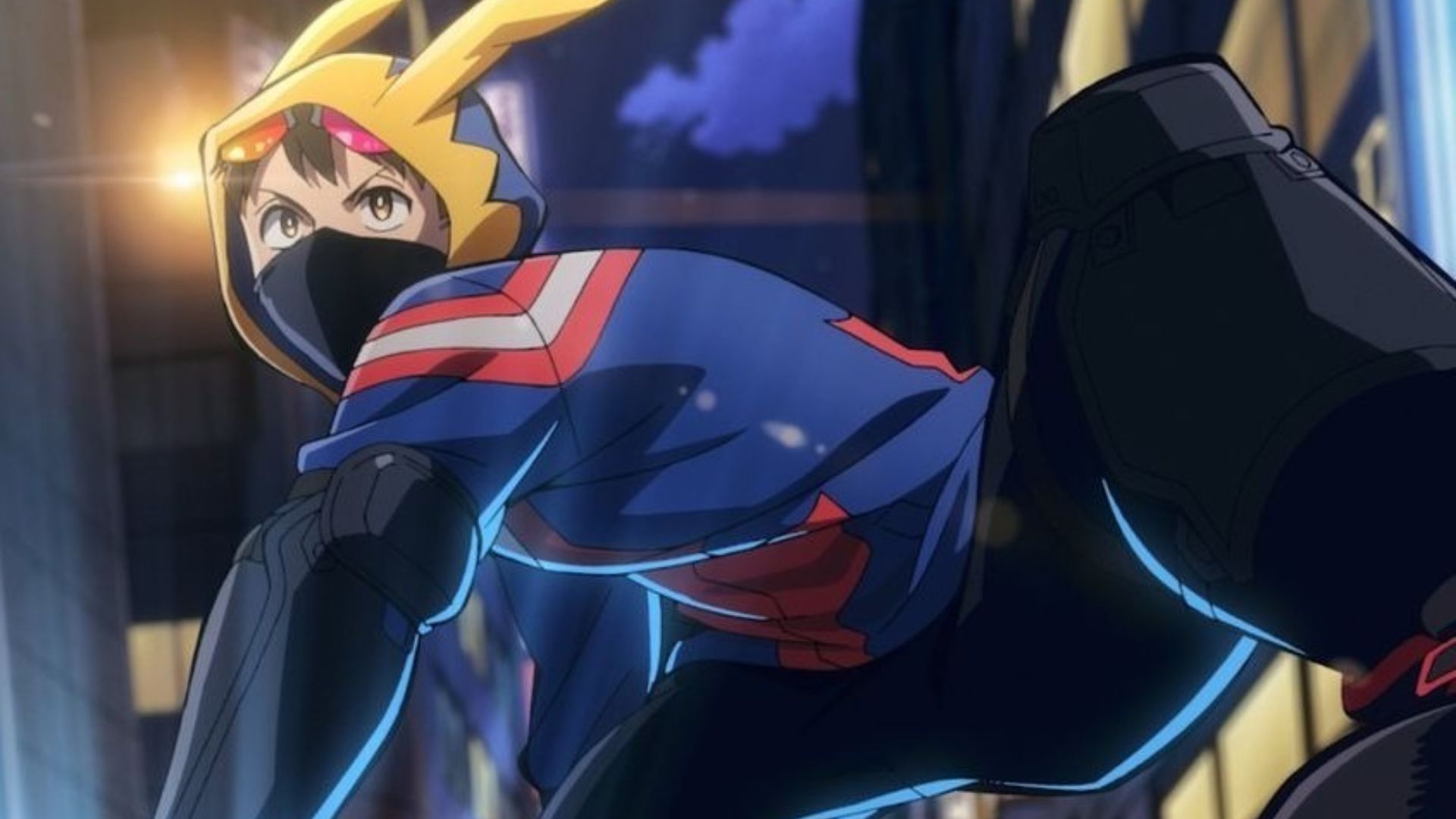
This status is supported by the story itself, in that it smoothly fits into the larger series. My Hero Academia: Vigilantes presents a low-level vigilante, Koichi Haimawari, or The Crawler, in the story whose journey as a character is a moral gray zone of the hero society. His character growth is indicative of the structural issues that are dealt with later in My Hero Academia, especially hero licensing and public trust. My Hero Academia: Vigilantes does not contradict the main narration but rather enhances it thematically.

The explicit crossovers are one of the best pieces of evidence of canon status. The core manga features some repeat appearances (or mentions) of some of the characters introduced in My Hero Academia: Vigilantes. But the most notable one is in the final chapters of My Hero Academia where Koichi Haimawari is an officially licensed professional hero, and his backstory of being a vigilante is clearly brought up. Its confirmation bears a retroactive effect to establish the entirety of My Hero Academia: Vigilantes to the continuity, rather than a spin-off.
Also, a number of key plotting elements are introduced in My Hero Academia: Vigilantes and reused in the original series. The illegal drug Trigger, which is used to improve performance, is first thoroughly discussed in My Hero Academia: Vigilantes, the basis of conflict is the development and distribution of the drug. Subsequently, trigger is also used in the principal manga and anime, such as the Shie Hassaikai arc and the extra film content. This continuity could not happen in case My Hero Academia: Vigilantes were not canonic.
The spin-off as well gives much important back story to well-known characters. My Hero Academia: Vigilantes touches upon the early life of Shota Aizawa, his working relationship with Oboro Shirakumo, and the history of certain professional heroes in detail. All these elements overlap with the revelations that occur later in My Hero Academia and particularly in the arc of the Paranormal Liberation War. My Hero Academia: Vigilantes gives those scenes emotional and narrative seriousness, rather than introducing inconsistencies.
My Hero Academia: Vigilantes and Canon Status
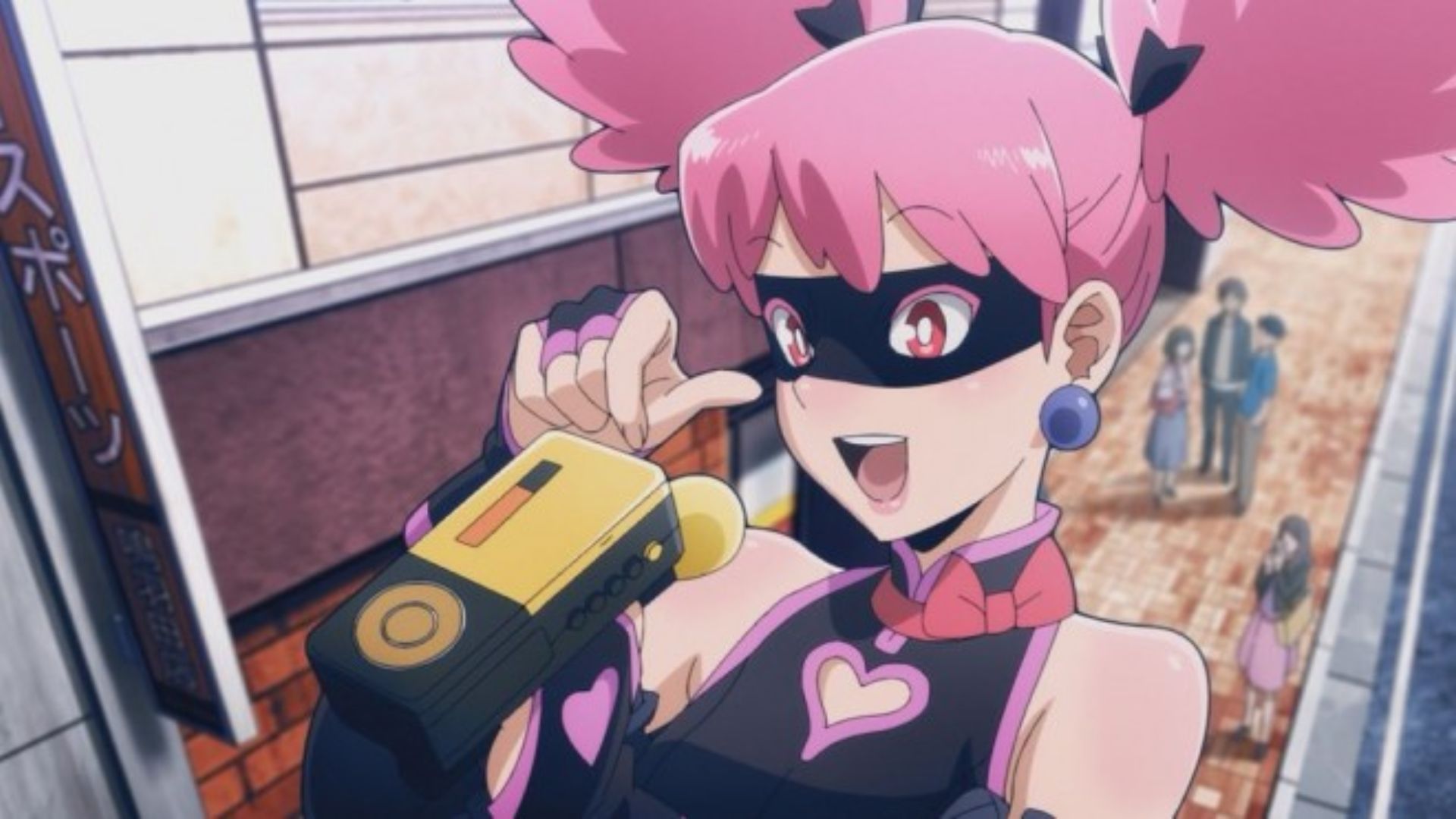
My Hero Academia: Vigilantes is also supported in its canonical status by the anime adaptation of the story. The anime, a faithful adaptation of the same franchise produced in the same allusion based on the manga, does not deviate the set timeline. The promotional content, official messages of the studio, and even the statements of the studio all constantly mention My Hero Academia: Vigilantes as a prequel, as opposed to an alternative interpretation. This separates it as opposed to non-canon My Hero Academia side stories like some light novels or anime-original episodes.
There is some controversy among the fans because the spin-off is set to be written by another author, however, authorship does not overrule canon. Such concerns are nullified by the oversight of Horikoshi, not to mention the integration of the narrative and the use of express cross-references. On the other hand, even ostensibly non-canon material in My Hero Academia is not given even the slightest mention in the original manga, which My Hero Academia: Vigilantes has.

Thematically, My Hero Academia: Vigilantes plays a vital role in describing how the hero society got to the level that My Hero Academia started. It depicts the heroism of grass roots, the fear of the masses about uncontrolled authority and the moral ambivalence of the law and ethics. These concepts are subsequently key to the generation of Deku, and My Hero Academia: Vigilantes is a valued reading, as opposed to a peripheral one.
 Trending
In conclusion, My Hero Academia: Vigilantes is a canon to the main series without a doubt. The fact that it is featured in the canon, that it has been directly involved in Kohei Horikoshi, that it has relatively consistent worldbuilding, and that it has been directly cross-overed, all attest to it being a part and parcel of the My Hero Academia story. As an alternative to a side content, My Hero Academia: Vigilantes provides the description of the franchise in terms of historical context, characterization, and thematic grounding that contribute towards enhancing the overall impact of the central narrative.


 Reply
Reply


