


'%20x='0'%20y='0'%20height='100%25'%20width='100%25'%20%0A%20%20%20%20%20%20%20%20%20%20xlink%3Ahref='data:image/jpg;base64,/9j/2wBDAAYEBQYFBAYGBQYHBwYIChAKCgkJChQODwwQFxQYGBcUFhYaHSUfGhsjHBYWICwgIyYnKSopGR8tMC0oMCUoKSj/2wBDAQcHBwoIChMKChMoGhYaKCgoKCgoKCgoKCgoKCgoKCgoKCgoKCgoKCgoKCgoKCgoKCgoKCgoKCgoKCgoKCgoKCj/wAARCAAGAAoDASIAAhEBAxEB/8QAFQABAQAAAAAAAAAAAAAAAAAAAAb/xAAjEAACAgIBAgcAAAAAAAAAAAABAgMEABIhBRQGBxEiMUFR/8QAFAEBAAAAAAAAAAAAAAAAAAAAAP/EABQRAQAAAAAAAAAAAAAAAAAAAAD/2gAMAwEAAhEDEQA/AK/zEtWKvW7EcdqSF0Xtw6gsNWUyElSQCdgPk8fv1lFQ8W0Y6NZOylbWNRszn1PA5PuxjA//2Q=='%3E%3C/image%3E%3C/svg%3E)

The My Hero Academia finale left fans with mixed emotions after watching Deku's decade-long journey come to an end. After sacrificing One For All to defeat Tomura Shigaraki, many wondered if the series would really end with its main character losing his quirk for good. The answer? It's complicated but ultimately hopeful.
Deku Loses One For All in the My Hero Academia Finale
The My Hero Academia finale showed us that defeating Shigaraki required the ultimate sacrifice. During their final confrontation, Deku had to transfer all of One For All's quirks into Shigaraki's body to destroy him from within. This wasn't just a strategic move. It was the only way to reach the broken child inside the villain and stop his reign of destruction once and for all.
After the transfer, Deku was left with only the embers of One For All. Think of it like the last drops of gas in a tank. He could still use some power, but it was fading fast. By the time he graduated from U.A., those embers were completely gone. Deku was quirkless again, just like when he started.
Eight Years as a Teacher

Skip ahead eight years from the main battle of the My Hero Academia finale, and Deku is a teacher at U.A. High School. He’s not mad at losing his powers. Instead, he has discovered value in telling his stories to the next generations of heroes. His former classmates are also top-ranked pros. Mirio is number 1, Shoto is number 2, and Bakugo is on his way up there, even with his explosive attitude.
Deku, however, obviously missed the action. This is made clear in the My Hero Academia finale when he meets Dai, a little child who reminds him of his younger self, at the All Might statue. The child doubts his ability to become a hero and has a weak quirk. Does that sound familiar?
The Suit That Changed Everything

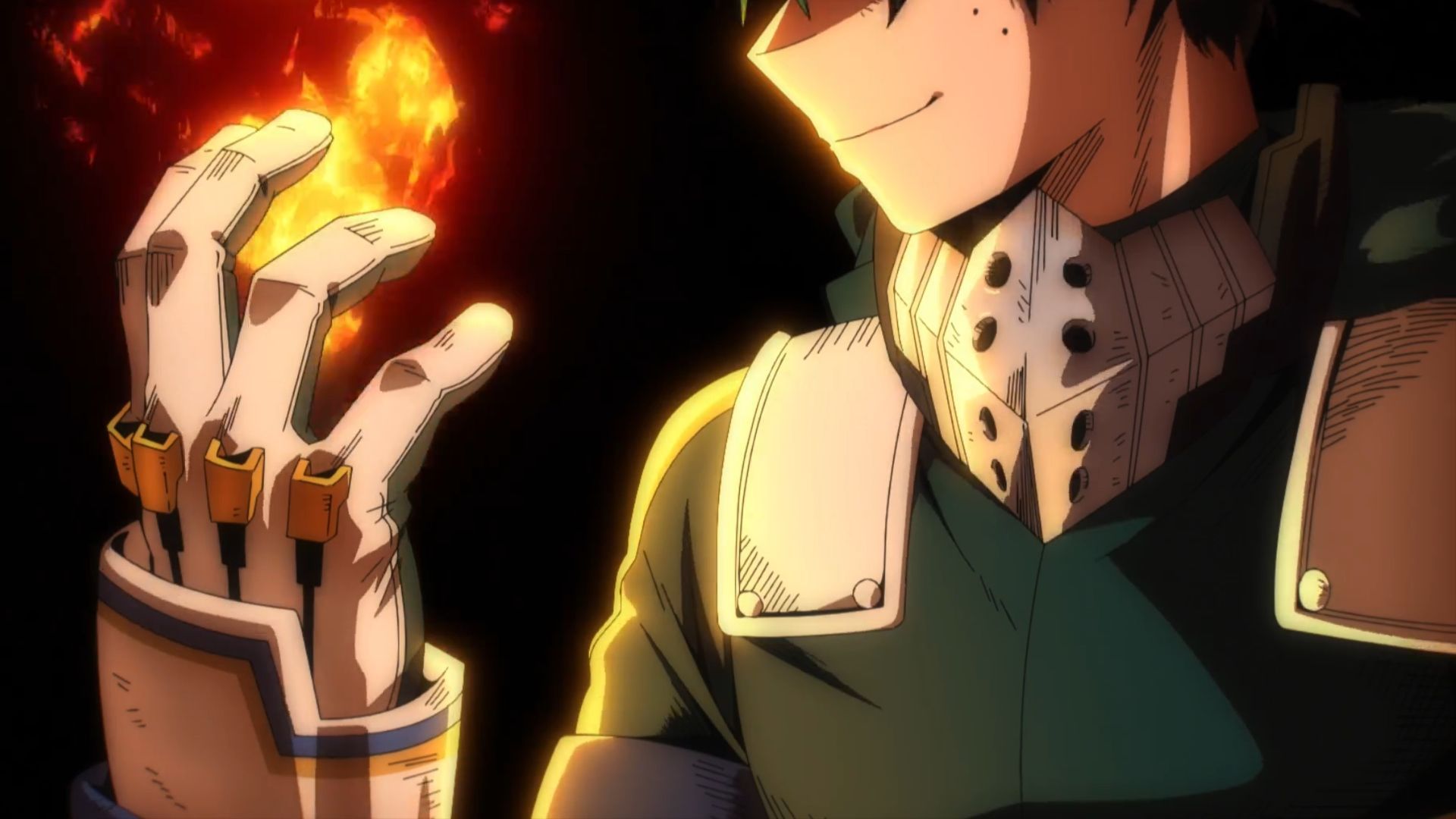
Here's where the My Hero Academia finale gets really good. All Might shows up with a briefcase containing a high-tech battle suit. This wasn't just any armor. It was created by Melissa Shield (from the movies) and Mei Hatsume using data from All Might's final battle against All For One. And the whole project was funded by Deku's former classmates, with Bakugo leading the charge.
The suit essentially lets Deku fight at full capacity again. It's packed with support items that replicate the abilities he used to have with One For All. We're talking enhanced strength, speed, and mobility without relying on a quirk. Technology is bridging the gap where superpowers left off.
The My Hero Academia finale doesn't just stop at giving Deku a suit and calling it a day. According to the epilogue, Deku soars up the Hero Billboard Chart to become Japan's #4 Pro Hero following his return to active duty. Yes, it is correct. The child who was initially quirkless acquired the most potent quirk in the world, lost it entirely, and managed to rank among the nation's top five heroes.
Conclusion
 Trending
This ending reinforces the series's core message. You don't need the strongest power to be a great hero. What matters is your heart, determination, and willingness to reach out and help others. The My Hero Academia finale shows us that Deku proved All Might right from the very beginning. Yes, he could become a hero, quirk or no quirk.
And honestly? That's pretty beautiful. It's not a cop-out. It represents Deku's progress and the number of people he has impacted. His classmates had enough faith in him to pay for a very costly project so he could be by their side once more. What distinguishes a true hero if that isn't the case?


 Reply
Reply


