


'%20x='0'%20y='0'%20height='100%25'%20width='100%25'%20%0A%20%20%20%20%20%20%20%20%20%20xlink%3Ahref='data:image/jpg;base64,/9j/2wBDAAYEBQYFBAYGBQYHBwYIChAKCgkJChQODwwQFxQYGBcUFhYaHSUfGhsjHBYWICwgIyYnKSopGR8tMC0oMCUoKSj/2wBDAQcHBwoIChMKChMoGhYaKCgoKCgoKCgoKCgoKCgoKCgoKCgoKCgoKCgoKCgoKCgoKCgoKCgoKCgoKCgoKCgoKCj/wAARCAAGAAoDASIAAhEBAxEB/8QAFQABAQAAAAAAAAAAAAAAAAAAAAX/xAAfEAACAwEAAQUAAAAAAAAAAAABBAIDEQAxBQYSE2H/xAAUAQEAAAAAAAAAAAAAAAAAAAAE/8QAGBEBAQEBAQAAAAAAAAAAAAAAAQIAESH/2gAMAwEAAhEDEQA/ALKz1HutqPrLgaEGytZSqbjKtcCBz4jxuwJJ/egvPX0OsVRuYkK7JQB+3Nw54znODwaVyW6nwd//2Q=='%3E%3C/image%3E%3C/svg%3E)

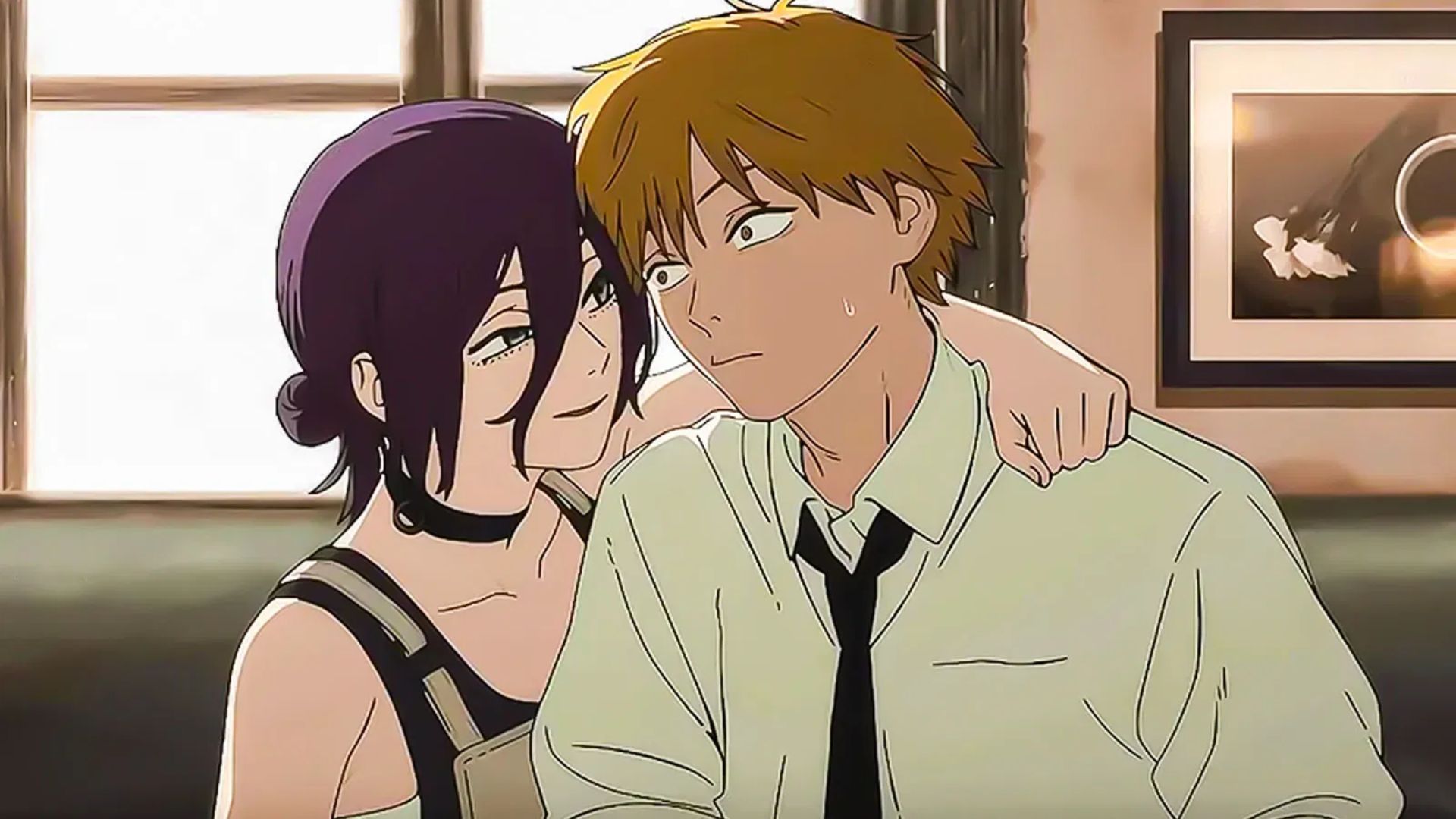
The Chainsaw Man still elicits a heated reaction among its audience, and even a recent release of a what-if illustration in connection with the theatrical Reze movie has only intensified the emotional response.
The drawing, by the series creator Tatsuki Fujimoto, which comes as a bonus in a theatre booklet, portrays Denji and Reze in a peaceful, alternative childhood, an image notably contrasted with the tragedy established in the arc of Reze. As the Reze film was recently released in theaters and is a high-profile adaptation, any other artist's creation related to the film carries disproportionate importance for the audience.
The new Fujimoto illustration adds to the emotional agony of the Reze film for many fans, since it depicts the inaccessible happy ending that the canon eludes. The picture is an exquisite counterfactual of what might have been, and it is the contrast of this kind that makes the losses of the official story more keenly felt by viewers of the movie. This response has been evident on fan commentaries and social posts since the booklet art started spreading.
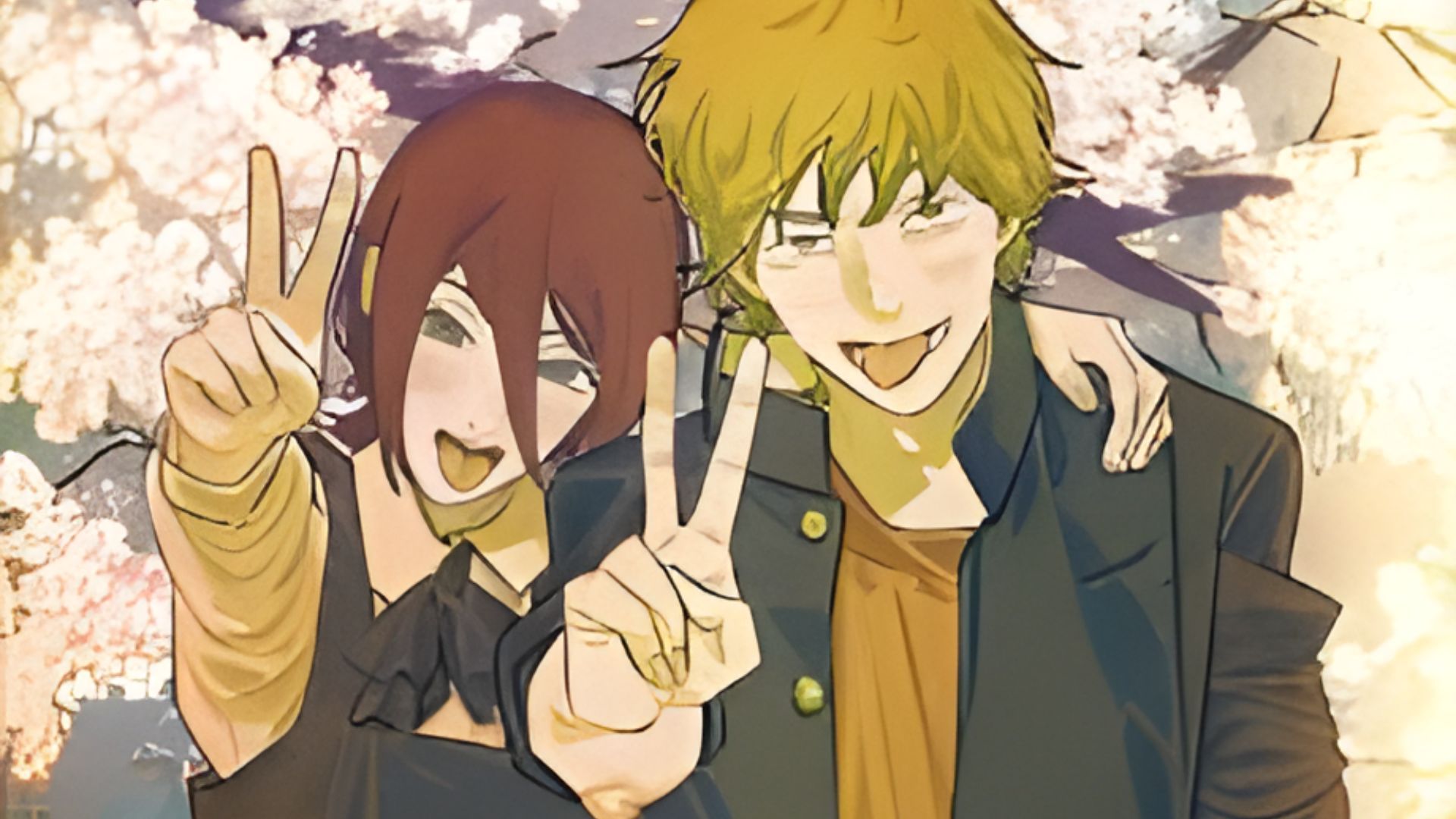
This new image appeared as one of the theatrical bonuses for people who went to see Chainsaw Man -The Movie: Reze Arc, and it is one of the post-release images produced to promote the film.
The film itself has gained significant interest: it was released in Japan in September and has since been shown in international theatres, which has given the Reze story a new image. Since the movie is based on one of the most personal and momentous arcs of the manga, any additional artwork, including Fujimoto's, is included in the adaptation's reception by audiences.
Critics and reviewers have observed that the film strikes a tonal balance between brutality and tenderness, and the booklet by Fujimoto showcases that duality by drawing the tender thread even further. The movie has been discussed professionally, with an emphasis on both its physical action and emotional investment, so, understandably, a more peaceful image of Denji and Reze could elicit such a strong fan reaction.
To put it concisely, the illustration itself does not alter the film's content. Still, it redefines the emotional connection that a viewer has towards it by showing what the characters could have gotten.
Why the New Chainsaw Man Illustration Deepens the Reze Movie’s Impact?
The reaction of fans to the Fujimoto illustration has been vehement: numerous reviewers called the artistically rendered picture bittersweet, whereas others stated that they found the sight of Denji and Reze together worse than the movie's canonical heartbreak.
This feeling is reflected in the booklet's social reports on the bonus: the photograph is a wistful object that the artist imagines the characters lacked in life. As Fujimoto was both its source and a product of his new art, the image has been interpreted not as the wishful fan art it has been, but as an authoritative creative aside, which enhances its emotional impact.
Production-wise, the booklet bonus is part of a broader promotional approach that includes new visuals and post-release artwork to keep the movie in the public dialogue. The distribution of exclusive illustrations is usual in large anime movies and serves two functions: to compensate for attendance in theatres and to prolong the story.
The strategy, as mentioned above, brought Fujimoto's serene image to the forefront of the Reze film, and a contrast with the movie's more somber tunes sparked a new surge of conversation on social media platforms.
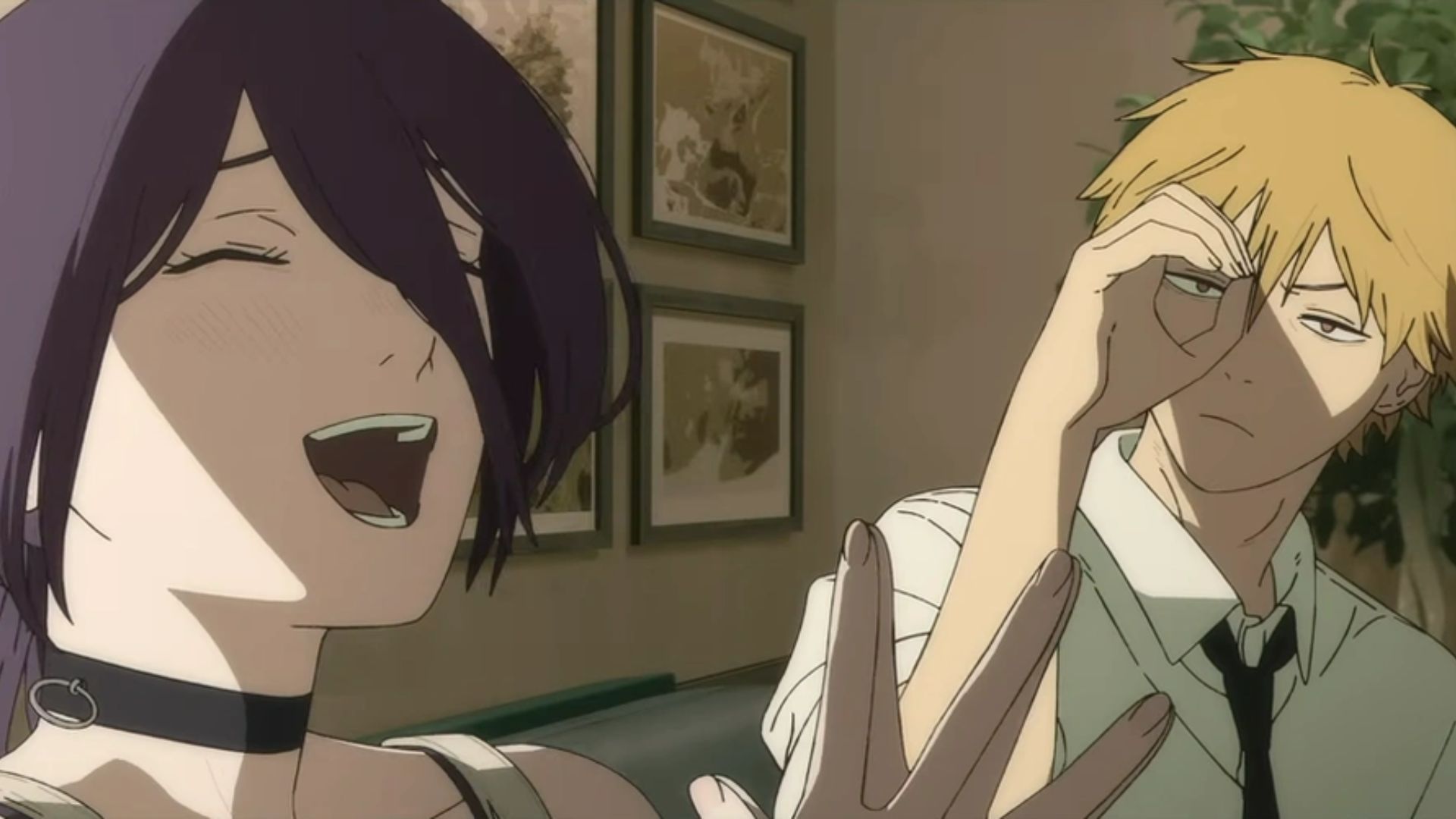
One should also pay attention to how the illustration works narratively: it does not retcon or change the Reze arc, nor does it suggest some other canonical resolution.
Rather, it provides a visual contrast that emphasizes the tragedy that is already presented in the movie. To a lot of viewers, such framing acts as a rhetorical mechanism, that is, the demonstration of an opportunity that has been missed, which makes the losses on the screen even more concrete. This is what has led fans to characterize the painting as painful rather than comforting.
Lastly, the impact of the illustration increases because it was created by Fujimoto himself. Alternate visuals created by the creator carry a heavier burden than fan tributes. When the original writer offers a different, gentler peek, the audience is more likely to interpret it as a deliberate emotional supplement. Consequently, the Fujimoto booklet photograph has entered the audience's perception and recollection of the Reze film and has enhanced the arc's continuation far beyond the audience's exit from the theatre.
 Trending
The new Fujimoto drawing in the Reze movie works as a small, extremely efficient emotional amplifier: making Denji and Reze appear in a envisioned relaxed life, it adds to the sadness of the canonical narrative, as opposed to diminishing it.
It has, because of its official release, its linkage to the theatrical release, and the fact that it was written by the creator of the Reze arc, become an influential element of the ongoing reception of the Reze arc, one which reminds viewers how effective one, alternate image can be in fostering collective emotion around a favorite, tragic narrative.


 Reply
Reply


