


'%20x='0'%20y='0'%20height='100%25'%20width='100%25'%20%0A%20%20%20%20%20%20%20%20%20%20xlink%3Ahref='data:image/jpg;base64,/9j/2wBDAAYEBQYFBAYGBQYHBwYIChAKCgkJChQODwwQFxQYGBcUFhYaHSUfGhsjHBYWICwgIyYnKSopGR8tMC0oMCUoKSj/2wBDAQcHBwoIChMKChMoGhYaKCgoKCgoKCgoKCgoKCgoKCgoKCgoKCgoKCgoKCgoKCgoKCgoKCgoKCgoKCgoKCgoKCj/wAARCAAGAAoDASIAAhEBAxEB/8QAFgABAQEAAAAAAAAAAAAAAAAAAAUG/8QAHhAAAgEEAwEAAAAAAAAAAAAAAQIDAAQFEQYTITH/xAAUAQEAAAAAAAAAAAAAAAAAAAAF/8QAHhEBAAECBwAAAAAAAAAAAAAAAQIAAwQREyExUaH/2gAMAwEAAhEDEQA/AMXKkVxxXK4mUOViVRGyhVAcalPmjpSzN4PgAqJacKy0lpC6ZNVRkVgOx/ARSlEYactzPr0GlI2oaFtTkr//2Q=='%3E%3C/image%3E%3C/svg%3E)

One Punch Man’s third season has prompted vigorous debate after recent episodes diverged from the manga in notable ways, especially in the adaptation of the Phoenix Man sequence. Long-running readers pointed to excisions of specific plot beats — including extended material that developed Child Emperor’s arc, his relationship with Zombieman, and key exchanges with Saitama — and some observers argue these cuts reduce narrative setup for later arcs. The controversy has grown because such omissions touch on character development and worldbuilding that the manga later uses to justify major developments, prompting questions about the season’s long-term direction.
The removal of those elements in One Punch Man does raise legitimate questions about the series’ continuation and the creative choices behind it. When a televised adaptation omits connective tissue that a source text uses to establish later plot beats, viewers reasonably ask whether those later arcs will be adapted faithfully, reworked, or abandoned. The debate is not merely about one fight scene; it concerns whether the showrunner is preserving the scaffolding the manga used to build future narrative momentum.
In recent weeks, One Punch Man’s production has faced mounting scrutiny. The third season’s episodes have received mixed to negative audience scores on aggregator sites, and some high-profile episodes drew particularly sharp criticism for pacing and perceived production issues. This backlash has been vocal across social platforms, where clips and side-by-side comparisons circulated rapidly. Public reaction intensified after certain staff responses and social media changes stirred additional controversy about how the production handled fan concerns.
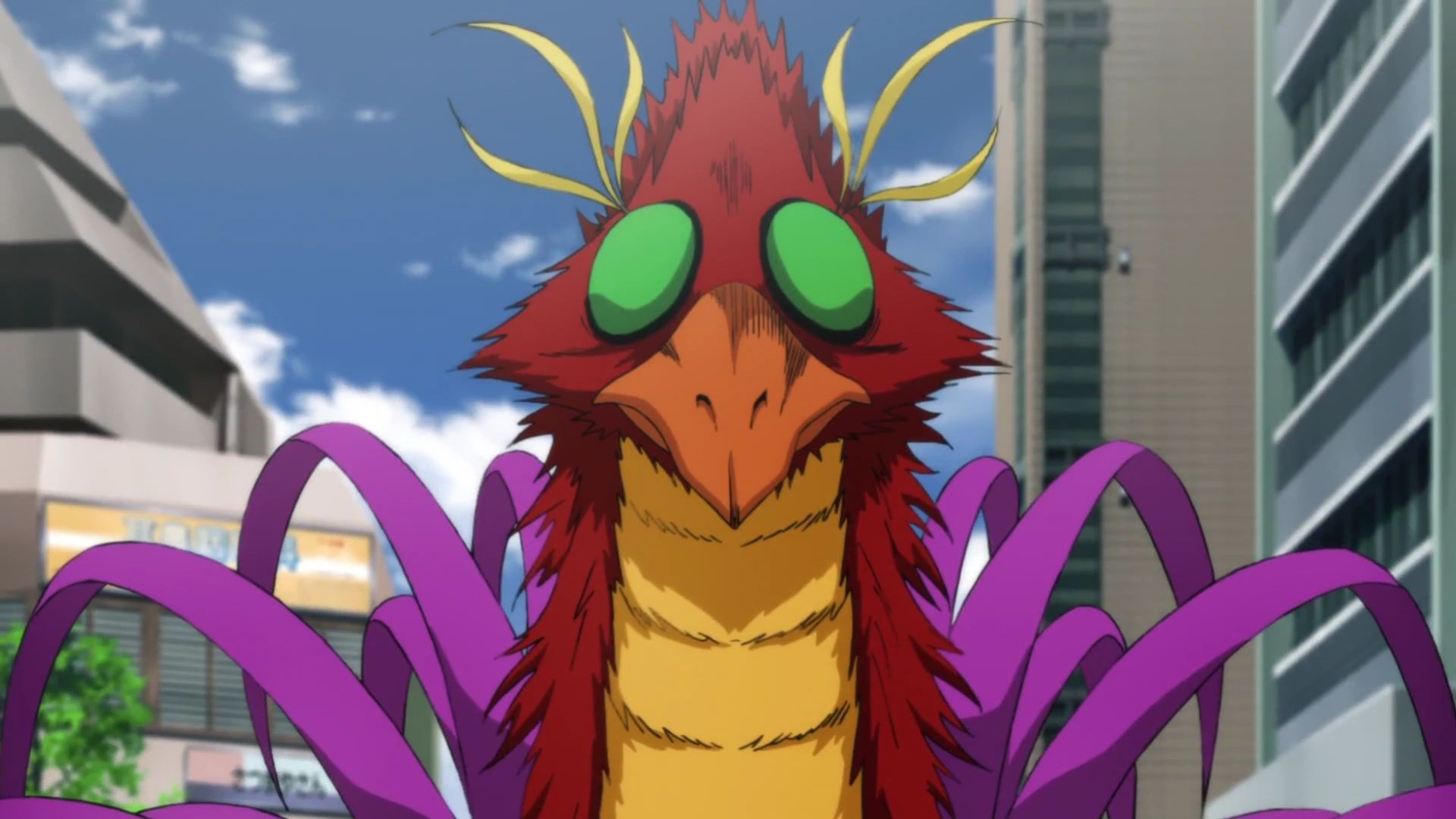
One Punch Man's Phoenix Man episode illustrates the issue concretely. Viewers noted the anime adapted an earlier or alternate version of that confrontation rather than the redrawn, extended sequence later published in the manga reprints. That decision led to the loss of several moments that had been used in print to illuminate Child Emperor’s ingenuity, his rapport with Zombieman, and a narrative hint known informally as “Phoenix Space,” which some fans saw as foreshadowing future supernatural implications. Removing those beats changes how the episode reads for viewers familiar with the manga and reduces the visible setup for later arcs.
Critics argue the omissions are symptomatic of wider production constraints, not necessarily an editorial intent to cancel future adaptations. Industry voices have pointed to tight schedules, committee decisions, and the challenging logistics of adapting a long, detailed manga on television as causes for cutting or simplifying scenes. Defenders of the season have also urged patience, noting some restored strengths in recent episodes and emphasizing the difficulty of matching expectations after a protracted gap between seasons. Nevertheless, the specific cuts have concrete narrative consequences independent of production context.
One Punch Man — what the adaptation choices mean for the future
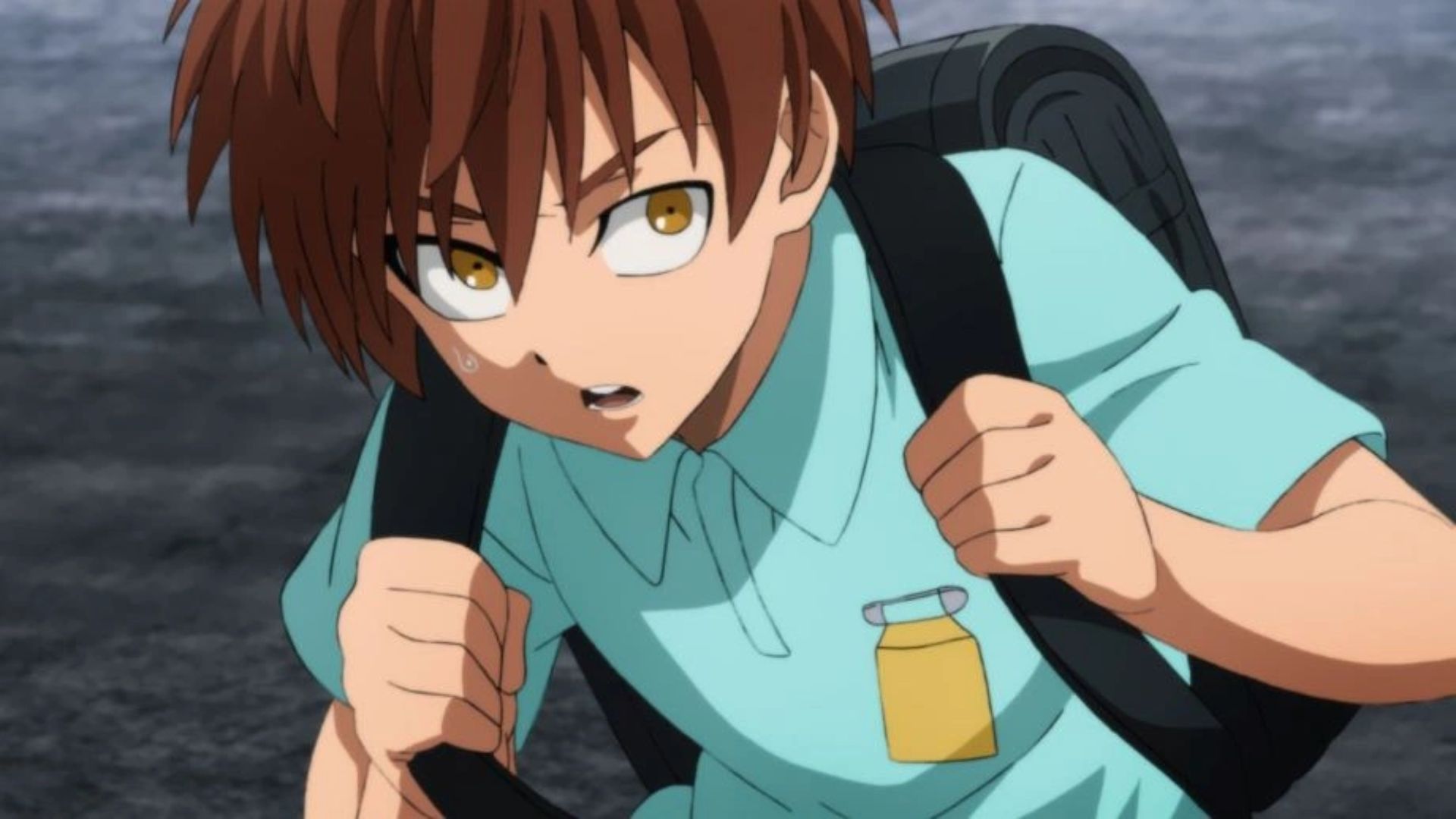
From a viewer’s perspective, the removal of Child Emperor’s development and associated setup is important because it trims connective tissue that the One Punch Man manga uses to build toward the Neo-Heroes and other major arcs. If that connective tissue is not restored or reworked into later episodes, the anime risks losing explanatory beats that give later conflicts emotional and thematic resonance. For example, Child Emperor’s interactions with Zombieman and Saitama bolster his standing among heroes and explain certain reactions in subsequent chapters; without them, future adaptations must either reintroduce that material or accept a narrative gap.
What viewers should watch for next is concrete: whether the production re-inserts omitted context in upcoming episodes, compensates through new material, or proceeds without it. The most reassuring outcome for dedicated fans would be transparent adaptation choices that preserve the manga’s through-lines even when the method of presentation changes. Until then, the cuts to the Phoenix Man sequence remain a focal example of how adaptation decisions can ripple forward — and why such choices inevitably raise questions about continuity, fidelity, and whether the anime will carry the One Punch Man manga’s later arcs to the screen intact.
 Trending
In conclusion, the excisions in One Punch Man Season 3’s Phoenix Man episode do more than frustrate fans in the moment; they pose a structural question about the season’s ability to support later plotlines faithfully. While production realities can explain some changes, the specific removals identified by viewers remove connective narrative tissue that the manga relies upon — a fact that reasonably fuels concern about how, and if, those later arcs will be adapted. Observant viewers should follow upcoming episodes closely to see whether the production restores or compensates for the missing material.


 Reply
Reply


