


'%20x='0'%20y='0'%20height='100%25'%20width='100%25'%20%0A%20%20%20%20%20%20%20%20%20%20xlink%3Ahref='data:image/jpg;base64,/9j/2wBDAAYEBQYFBAYGBQYHBwYIChAKCgkJChQODwwQFxQYGBcUFhYaHSUfGhsjHBYWICwgIyYnKSopGR8tMC0oMCUoKSj/2wBDAQcHBwoIChMKChMoGhYaKCgoKCgoKCgoKCgoKCgoKCgoKCgoKCgoKCgoKCgoKCgoKCgoKCgoKCgoKCgoKCgoKCj/wAARCAAGAAoDASIAAhEBAxEB/8QAFgABAQEAAAAAAAAAAAAAAAAAAAYH/8QAHxAAAgICAQUAAAAAAAAAAAAAAQIABAURBgMTIUNy/8QAFAEBAAAAAAAAAAAAAAAAAAAABP/EABgRAQADAQAAAAAAAAAAAAAAAAEAAxEh/9oADAMBAAIRAxEAPwDIeQjH1MJxejj67pZet3rfXb3O+jr5A8ake9hEdlVSFU6ERCUqnYi4DMn/2Q=='%3E%3C/image%3E%3C/svg%3E)

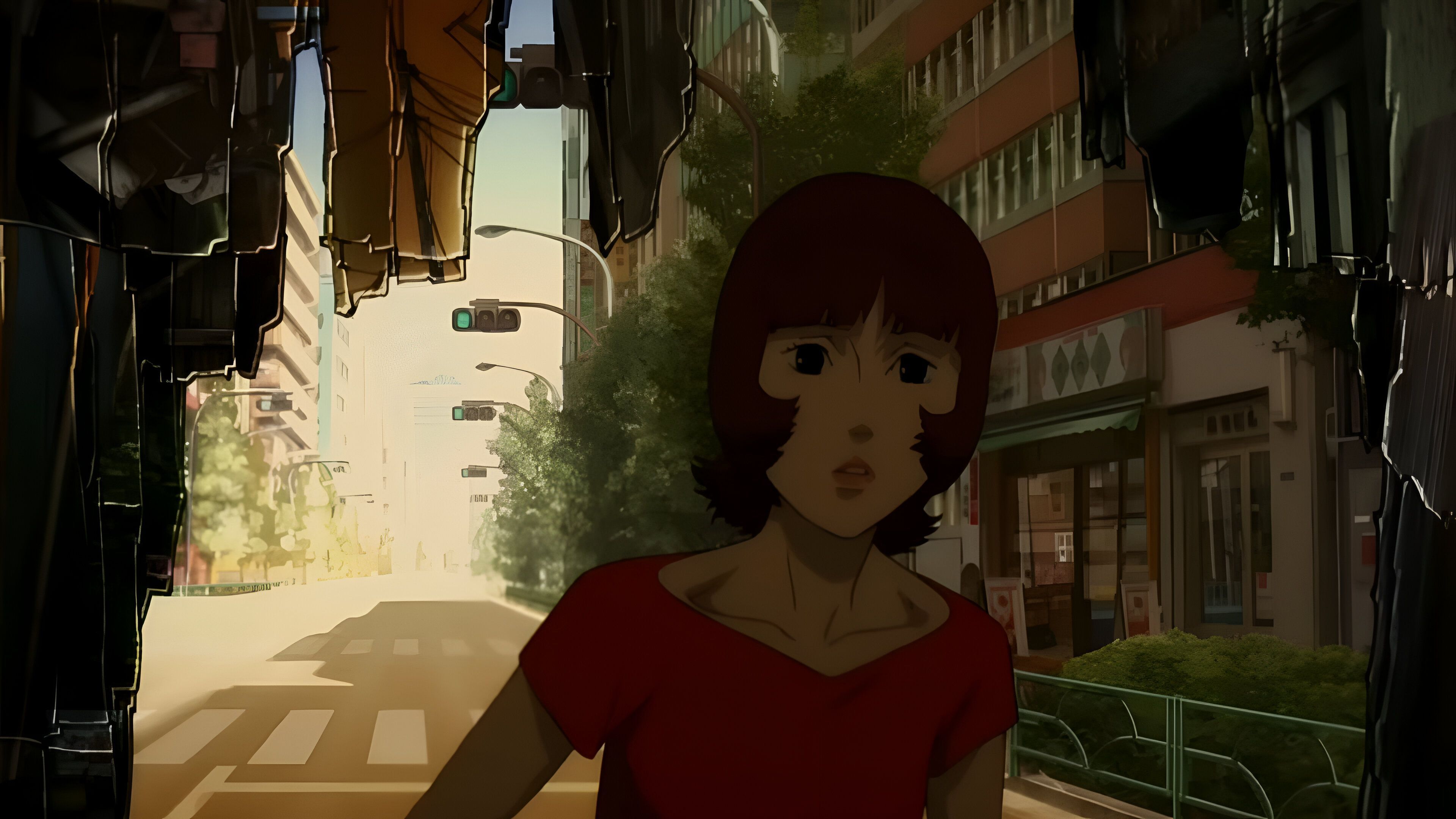
Paprika arrived in Japanese theaters in November 2006, four years before Christopher Nolan's Inception would dominate box offices globally. Satoshi Kon's final masterpiece before his untimely death painted dreams with such inventive brilliance that comparisons to Nolan's later work became inevitable.
Yes, you gotta check out Paprika, not just cause it had an impact on Hollywood, but because it does such a better job of exploring dreams and who we are as people. The movie is raw and emotional in a way that I don't think Inception was really going for, just being a technical heist movie. Satoshi Kon was able to create something with true psychological integrity is something which only happens in animated formats.

Both revolve around the same concept: advanced technologies that provide access to the dreams of humans. In Paprika, the DC Mini is used as a form of treatment to assist therapists in comprehending the mind of an individual suffering from mental disorders. By using this device, therapists are able to access the dreams of individuals and help solve any psychological issues.
The film Inception introduces the PASIV device, which is mainly used to steal information from people's dreams using this machine by major corporations. The two movies have distinct initial uses for the technology, but both films' main themes are how powerful technologies can create problems when they are misused, maliciously, or accidentally.
Dreams Within Dreams

There are multiple levels of dreaming represented in both Paprika and Inception; dreams become part of our actual lives in Paprika, represented as beautiful chaos, where people sprout wings, butterflies fly out of people's heads, and there are dolls inside human faces. You never know where the next layer of your dreams will take you; anything can happen.
In Inception, there is an exact structure to each level of the dream, with strict time relationships defined for each dream level. This gives a clear set of rules for Nolan's heist; in contrast, Satoshi Kon celebrates the unpredictable quality of real-world dreaming.
The Therapeutic Versus The Criminal in Paprika and Inception

Although Inception is about dream thieves taking business secrets, Paprika is a movie about psychological healing. Dr. Atsuko Chiba uses her alter ego of 'dream detective' to help her patients face their most extreme feelings and fears. This method of therapy provides the anime with emotional depth that differentiates it from the action and thriller elements of Inception by Christopher Nolan.
Interestingly, both movies express the idea of technology having both healthy and unhealthy uses. In Paprika, there's the ability to take over someone's mind and make them do what you want, while Inception reveals how you can use technology to help others. In the end, Cobb learns to forgive himself over his wife's death (the same technology he used to steal from others).
Animation's Advantage
Paprika's animation style makes it easier for people to visualize things that the live-action format can't explain. It also helps bring the viewer into a dreamlike way to move between scenes, rather than having to look at all of the special effects. The animated version allows impossible transformations to take place, and it creates surreal images that can't be done with CGI in the same flowing manner.
Dreams unravel the mind, both literally and figuratively. It includes a great balance of both realistic character design blended with Lynchian Surrealism. The dreamscapes created by Satoshi Kon were among his last works and serve not only to create unimagined imagery but also to provide a deeper understanding of our emotions.
The Verdict
 Trending
Paprika is way more than just a reference for Inception! It's been given an 87% score on Rotten Tomatoes, made it in TIME's best 25 animated films, and allowed for a whole generation of filmmakers to find inspiration.
Whether or not Christopher Nolan was influenced by Satoshi Kon's movie, both films add value to the film industry. They provide filmmakers with an opportunity to continually create new and innovative stories through the exploration of our own subconscious mind using dreams.


 Reply
Reply


