


'%20x='0'%20y='0'%20height='100%25'%20width='100%25'%20%0A%20%20%20%20%20%20%20%20%20%20xlink%3Ahref='data:image/jpg;base64,/9j/2wBDAAYEBQYFBAYGBQYHBwYIChAKCgkJChQODwwQFxQYGBcUFhYaHSUfGhsjHBYWICwgIyYnKSopGR8tMC0oMCUoKSj/2wBDAQcHBwoIChMKChMoGhYaKCgoKCgoKCgoKCgoKCgoKCgoKCgoKCgoKCgoKCgoKCgoKCgoKCgoKCgoKCgoKCgoKCj/wAARCAAGAAoDASIAAhEBAxEB/8QAFgABAQEAAAAAAAAAAAAAAAAAAAUG/8QAIBAAAgEEAgMBAAAAAAAAAAAAAQIDAAUREgQxEyJhwv/EABUBAQEAAAAAAAAAAAAAAAAAAAQF/8QAGxEAAgIDAQAAAAAAAAAAAAAAAQQCEQASITH/2gAMAwEAAhEDEQA/AIPPunkeNOOjR7ziIqT6EFARgdrg/T3WzS736NQm9vOoxkxA/mlKKtI6A3ltKMW14hgbV5fc/9k='%3E%3C/image%3E%3C/svg%3E)

The Darwin Incident is a 2026 Winter anime adaptation of the highly-rated manga of Shun Umezawa, a series that has already gained significant renown, even having won the Manga Taisho Award. The anime opens the audience to a unique combination of science fiction, social drama, and ethical philosophy via a realistic, contemporary American background. The Darwin Incident, as opposed to most of the seasonal anime, is not based on fantasy escapism but instead on biotechnology, activism, and fear in society. Since its initial episode, The Darwin Incident sets a tense atmosphere revolving around an ambiguous approach to morality, as opposed to spectacle
The Darwin Incident stands as a high and plausible possibility of developing into the most underestimated Winter 2026 anime because of its theme, narrative scale, and its unwillingness to make its ideas easy to comprehend. The series values ethical dilemma rather than immediate gratification, which is the reason why it tends to be received silently regardless of quality. However, this same approach positions the anime as a standout for audiences seeking substance-driven storytelling. Its reception is likely to mirror past slow-burn successes that gained long-term critical respect rather than immediate popularity.
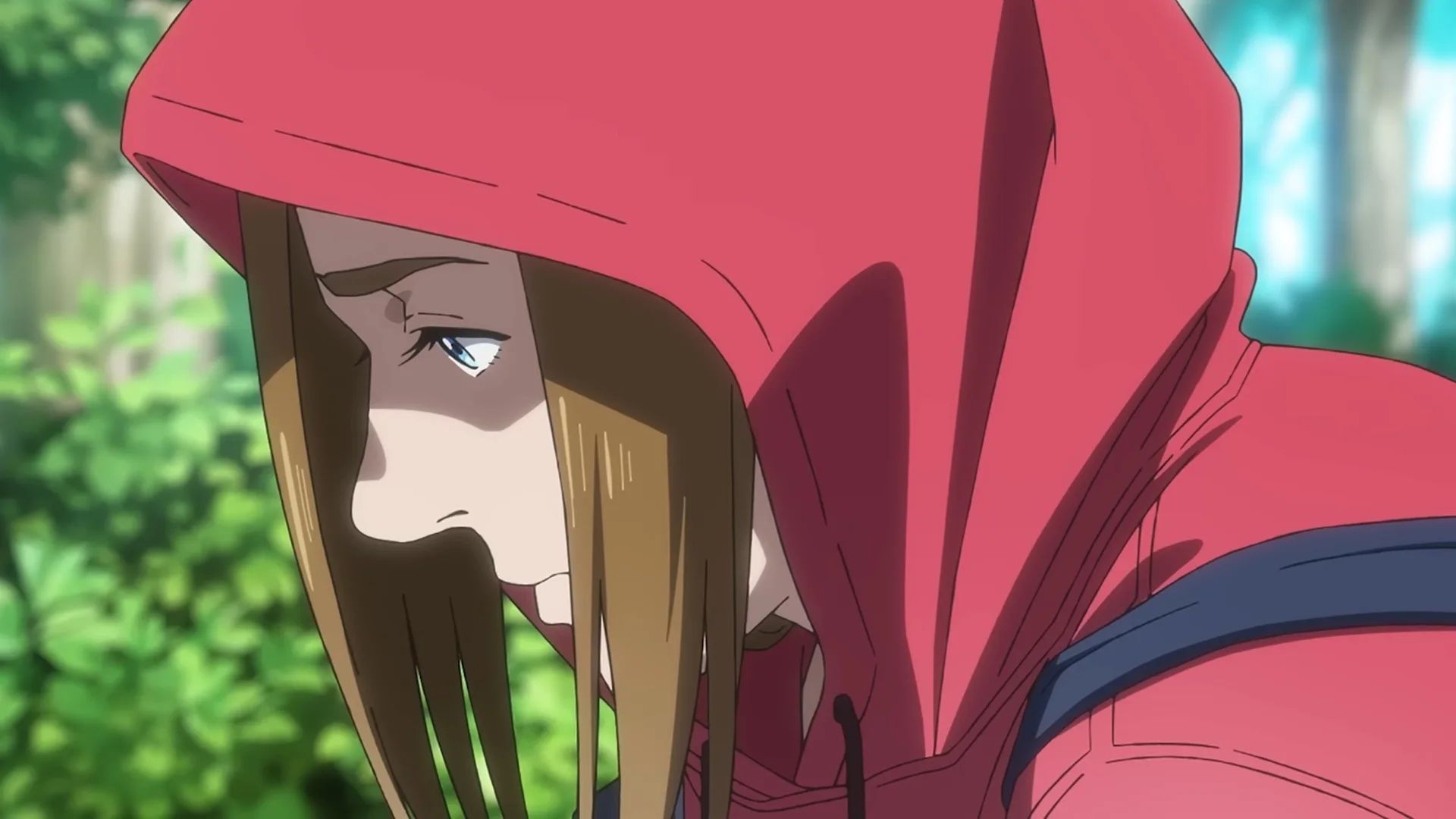
The main character of the anime is Charlie Stein, a humanzee who was accidentally produced during a raid on a research laboratory by an eco-terrorist organization on a pregnant chimpanzee. Isolated and brought up by human scientists in rural Missouri, Charlie is physically strong and mentally gifted, but legally a property, not a person. The Darwin Incident is, at this point, brought to a down-to-earth exploration of bigotry, phobia, and institutional discrimination when he starts attending high school at 15 and has to enter through the main door. His life alone upsets the social structure surrounding him.

The narrative of the series expands beyond school drama as the Animal Liberation Alliance (ALA) resurfaces. The group that indirectly caused Charlie’s birth seeks to reclaim him as a living symbol of animal liberation ideology. This puts Charlie in the midst of an ideological conflict that is not his choice to make: a decision on whether coexistence or a violent revolution is a valid way to go. The Darwin Incident is not interested in portraying any side as either a morally righteous one, but a conflict of activism, government, and science.
A defining strength of the anime lies in its exploration of the value of life. Through Charlie’s observations of nature, dietary debates, and moral questions about animal testing, the anime challenges human exceptionalism. The Darwin Incident presents life as inherently unequal in how it is treated, yet biologically interconnected. These themes are not abstract, as they directly influence how Charlie is denied rights and autonomy.
Identity and othering are also explored in the anime. The hybridity of Charlie brings about fearful reactions by the institutions that are supposed to take care of people, which reverberates through the history of eugenics, ableism, and racially based exclusion in the real world. Similar to 86 or Attack on Titan, The Darwin Incident presents discrimination as institutional, opposed to personal. The anime emphasizes how language, law, and education shape who is considered human.
The Darwin Incident and its thematic weight in Winter 2026
What truly sets The Darwin Incident apart in Winter 2026 is its refusal to dilute complexity for accessibility. The anime’s American setting, realistic character designs, and philosophical pacing sharply contrast dominant genre trends. Early responses highlight discomfort rather than excitement, which historically contributes to underappreciation. However, it benefits from a completed, award-winning manga foundation, ensuring narrative consistency.

Ideology versus reality is also put under scrutiny in the series. It uncovers the hypocrisy of the extremist movements that profess to be morally high but legitimize the use of violence. Simultaneously, it doubts scientific progress that is made on the basis of suffering. Such a balance does not make the anime preachy, because the arguments presented in it are based on consequence instead of rhetoric.
 Trending
In the end, it is possible to place The Darwin Incident not as a mainstream success but as an important criterion of adult anime narration. Its emphasis on bioethics, political extremism, and human identity makes it timeless and not restricted to one season. If animation quality remains consistent and themes are preserved without simplification, the series is very likely to be remembered as one of Winter 2026’s most intellectually significant yet initially overlooked anime.


 Reply
Reply


