


'%20x='0'%20y='0'%20height='100%25'%20width='100%25'%20%0A%20%20%20%20%20%20%20%20%20%20xlink%3Ahref='data:image/jpg;base64,/9j/2wBDAAYEBQYFBAYGBQYHBwYIChAKCgkJChQODwwQFxQYGBcUFhYaHSUfGhsjHBYWICwgIyYnKSopGR8tMC0oMCUoKSj/2wBDAQcHBwoIChMKChMoGhYaKCgoKCgoKCgoKCgoKCgoKCgoKCgoKCgoKCgoKCgoKCgoKCgoKCgoKCgoKCgoKCgoKCj/wAARCAAGAAoDASIAAhEBAxEB/8QAFgABAQEAAAAAAAAAAAAAAAAAAAYH/8QAHhAAAgICAwEBAAAAAAAAAAAAAQIDBAAFBhEhMRL/xAAVAQEBAAAAAAAAAAAAAAAAAAADBP/EABgRAQADAQAAAAAAAAAAAAAAAAEAAhEh/9oADAMBAAIRAxEAPwCnt7fYcP5pqdJw+jqqWiU2K8MDBg7tFGHleQj1iffyez79zd6ltbVWGxGGCSosihvoBHfuMZPRdY1zhP/Z'%3E%3C/image%3E%3C/svg%3E)

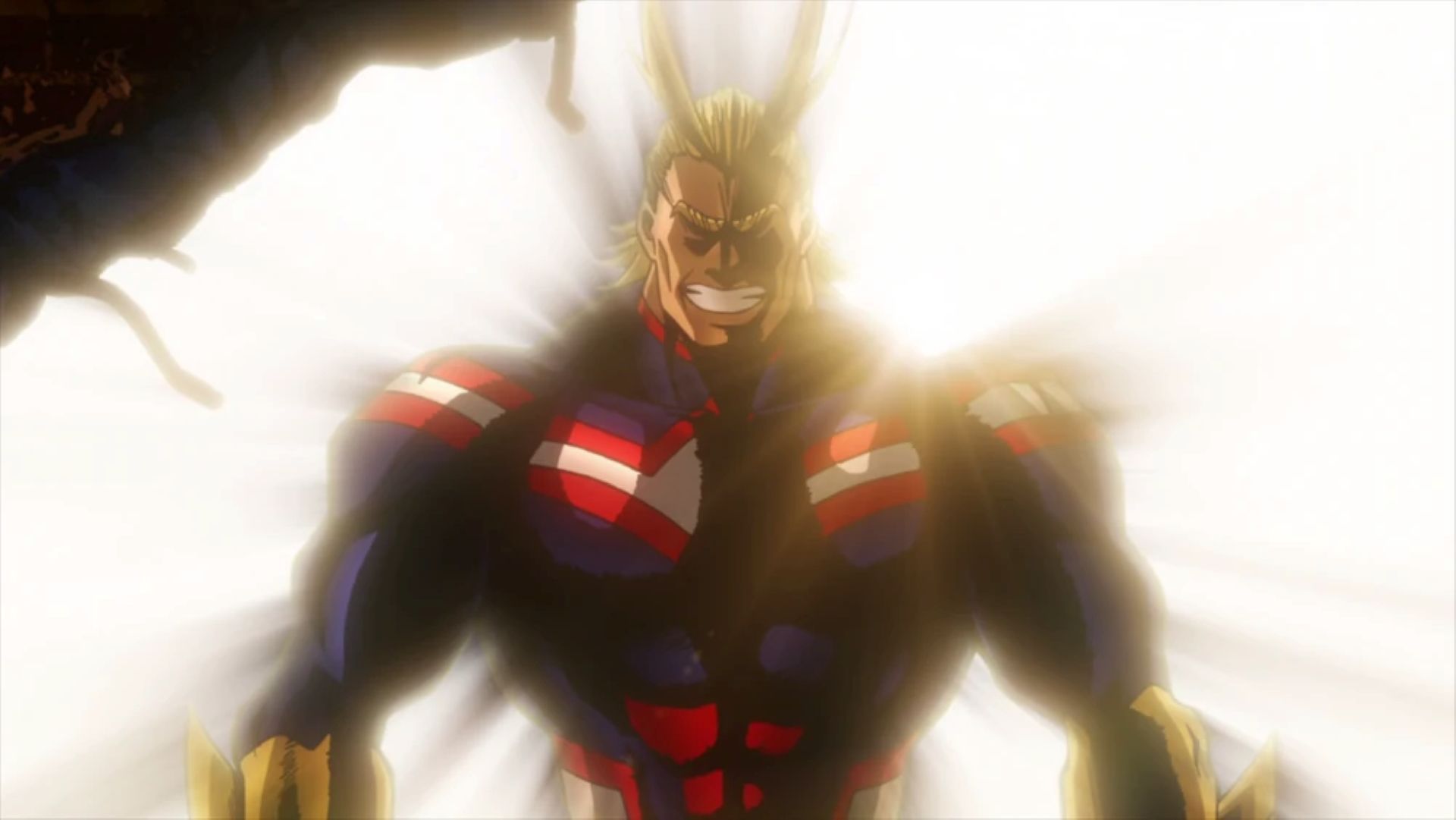
My Hero Academia has always been about what it means to be a hero. But one elderly woman in the series perfectly captures the difference between All Might's era and what Deku is building. She's not a pro hero or a major villain. She's just an old lady who made two crucial choices at two different points in the story.
The mistake that created Shigaraki
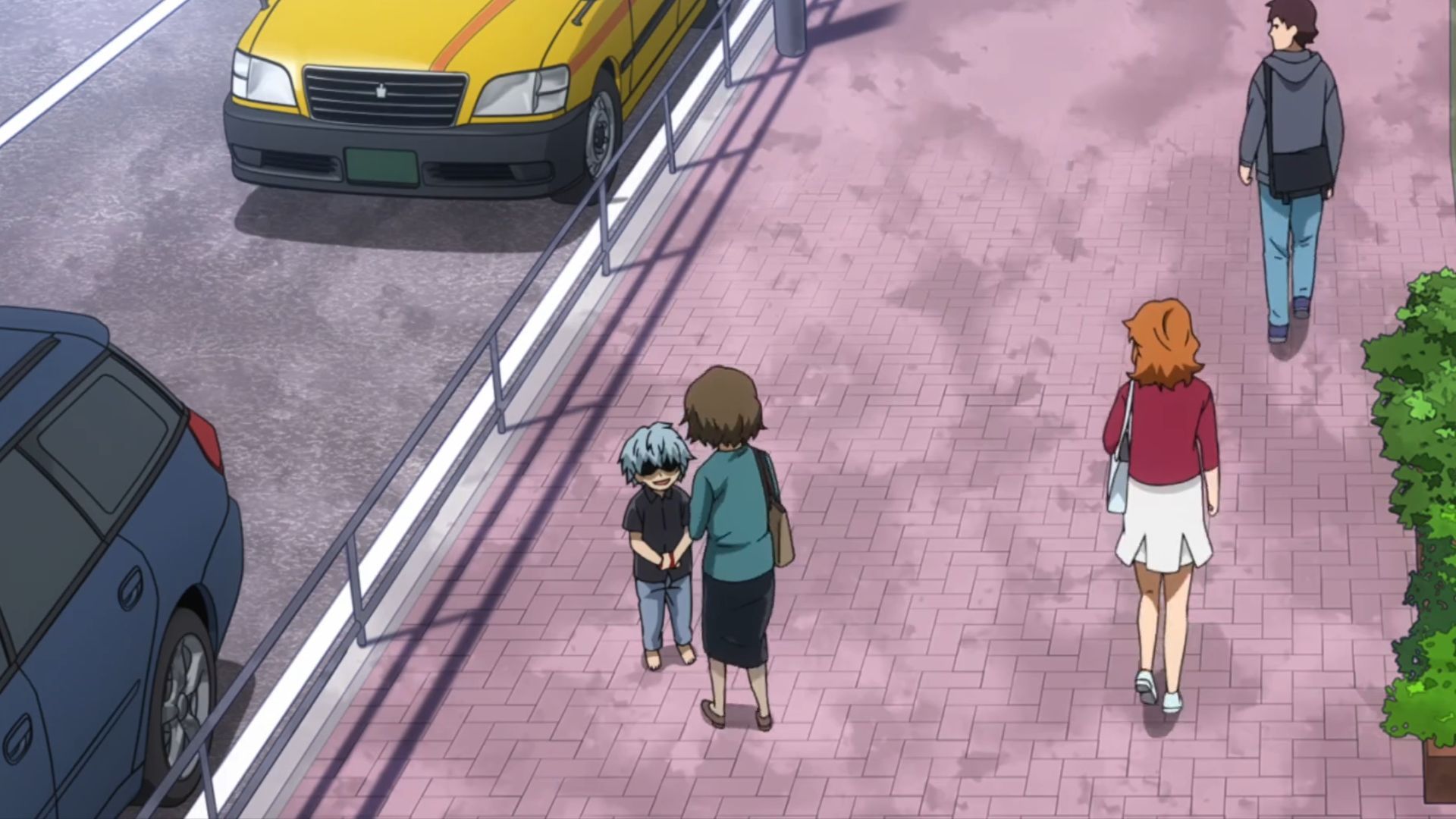
When Tenko Shimura was wandering the streets alone, covered in blood and clearly traumatized, this grandmother figure saw him. She stopped briefly but then walked away. Her reasoning? A hero would come to help him soon. Someone better equipped than her would handle it. That's what heroes were for, right? But no hero ever came. All For One found Tenko instead, and My Hero Academia's most dangerous villain was born from that moment of inaction.
The thing is, she wasn't wrong to think a hero would show up. All Might had created a society where crime rates plummeted, and people felt genuinely safe. His peace was real. But it came with an unintended side effect. Regular people stopped feeling responsible for helping others in crisis.
Why step in when the Symbol of Peace or some other pro hero would handle it better? This mentality spread throughout society in My Hero Academia, and it's exactly what allowed tragedies like Tenko's to slip through the cracks.
All Might carried the world on his shoulders. He did it so well that everyone else forgot they had shoulders, too. The granny's choice wasn't malicious. It was learned behavior from living in a world where one man handled everything.
Getting a second chance in My Hero Academia
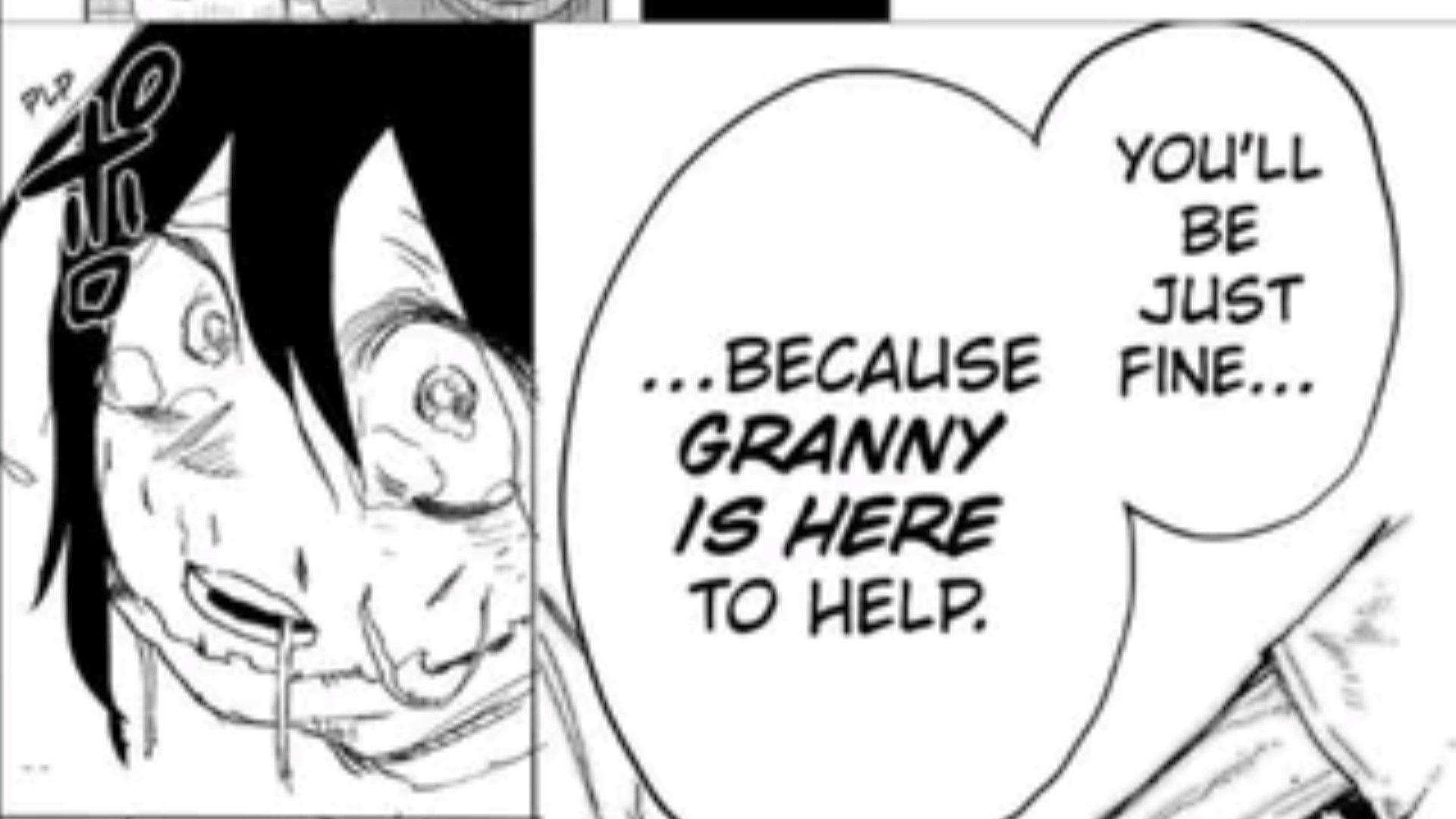
Fast forward to near the end of the series. Another child appears, this one restrained and abandoned by his own family because of his dangerous quirk. His mouth had been sewn shut. He was left behind during an evacuation, alone and suffering. The same grandmother meets him, and this time she makes a different choice.
"Granny is here to help," she tells him. What she said kind of sounds like All Might's famous catchphrase. But there is a difference now. She's not a hero. She's just a person who decided to act. My Hero Academia shows through her actions what Deku's influence has accomplished. She watched Midoriya fight to save everyone, even villains who seemed beyond saving. She saw regular people step up during the final war. And she realized her past mistake with Tenko had weight.
The boy she assisted did not grow up to be the next Shigaraki. He studied to become a hero himself at U.A. High School. In the last episode, you can see him standing beside Kota with sutures still visible around his mouth. One act of kindness from an ordinary person completely changed his trajectory in My Hero Academia.
What makes Deku's peace different
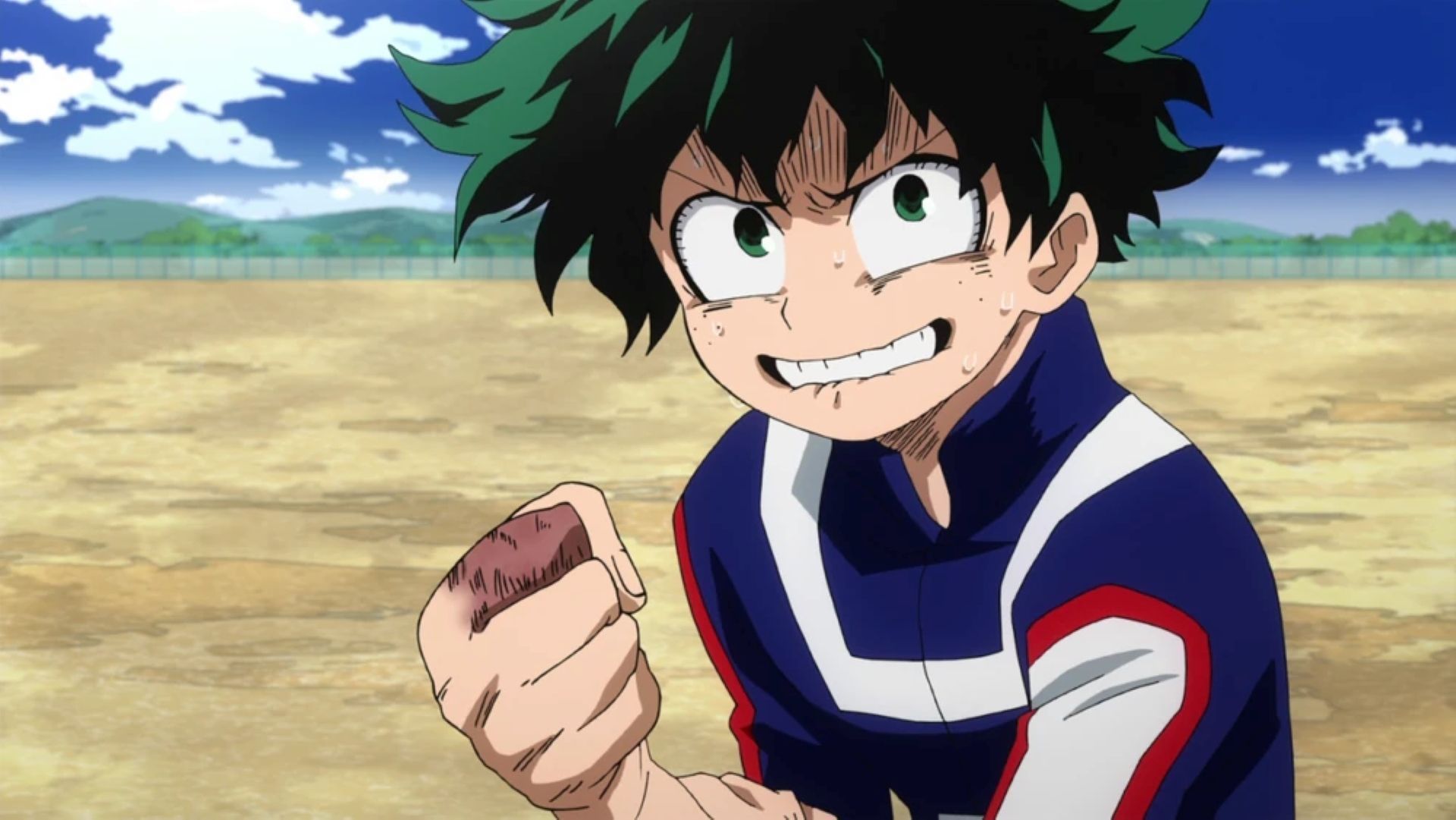
All Might's peace was top-down. One incredibly powerful person is protecting everyone else. Deku's peace is bottom-up. It's built on the idea that everyone can be a hero in their own way, even without a quirk or a license. The granny didn't need super strength or special training. She just needed to care enough to help.
This shift in My Hero Academia matters because All Might's model was never sustainable. It required one person to be everywhere, to handle everything, to never fail. When he retired, society nearly collapsed because people had forgotten how to protect each other. They'd outsourced their compassion to professionals.
The granny's redemption arc is brief but powerful. She represents every civilian who stood by while someone suffered, thinking it wasn't their problem. Her second chance with the abandoned boy proves that mindset can change. My Hero Academia ends with a society where heroes and civilians work together, where helping someone in need doesn't require a cape or a license.
 Trending
Conclusion
She couldn't have stopped a sequel to the series. Villains will always exist. But she stopped one specific person from becoming a villain, and sometimes that's enough. The ripple effects of choosing to help instead of walking away can reshape entire futures. That's the real lesson My Hero Academia leaves us with through this minor character's journey.


 Reply
Reply


