


'%20x='0'%20y='0'%20height='100%25'%20width='100%25'%20%0A%20%20%20%20%20%20%20%20%20%20xlink%3Ahref='data:image/jpg;base64,/9j/2wBDAAYEBQYFBAYGBQYHBwYIChAKCgkJChQODwwQFxQYGBcUFhYaHSUfGhsjHBYWICwgIyYnKSopGR8tMC0oMCUoKSj/2wBDAQcHBwoIChMKChMoGhYaKCgoKCgoKCgoKCgoKCgoKCgoKCgoKCgoKCgoKCgoKCgoKCgoKCgoKCgoKCgoKCgoKCj/wAARCAAHAAoDASIAAhEBAxEB/8QAFgABAQEAAAAAAAAAAAAAAAAAAAQI/8QAIhAAAQMDAwUAAAAAAAAAAAAAAQMEEQACEgUTISJBUYHB/8QAFQEBAQAAAAAAAAAAAAAAAAAAAgP/xAAdEQACAgEFAAAAAAAAAAAAAAABAgARAwQSIUFx/9oADAMBAAIRAxEAPwDPOkvWKiKSDhJXetEZJiwg+Okj7zVJuaSc2zfLvKQmfVKU8upBUJsUV3XJ9lw7sLZiZ//Z'%3E%3C/image%3E%3C/svg%3E)

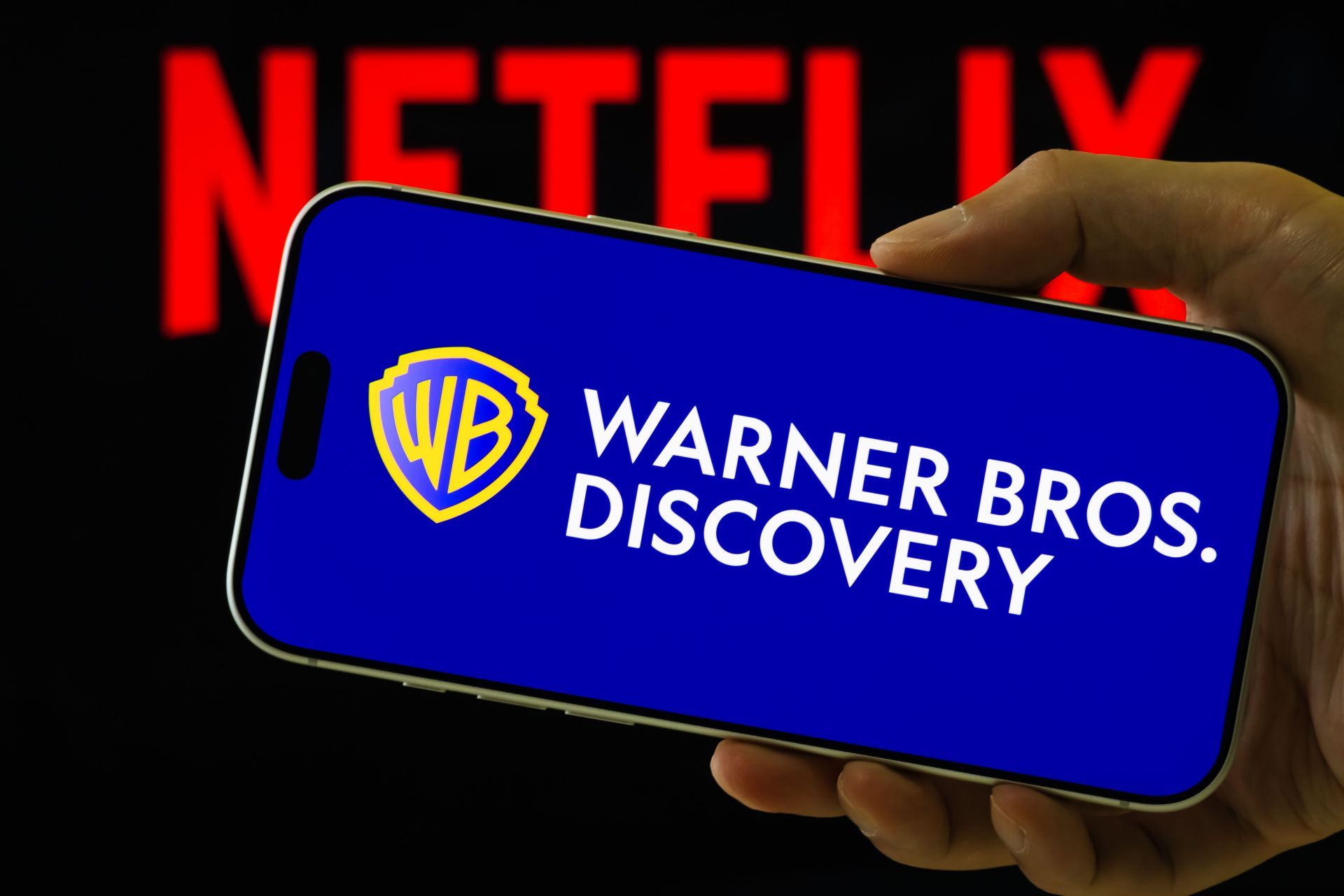
Warner Bros. faces a dramatic turn of events as Paramount launches an aggressive counteroffer to Netflix's pending acquisition deal. The entertainment industry watched in shock as David Ellison's Paramount announced a $ 30-per-share all-cash bid for the storied studio. This move directly challenges Netflix's previously agreed $27.75 per share offer.
The timing raises eyebrows as it comes just one day after President Donald Trump voiced concerns about potential antitrust issues with the Netflix merger. Warner Bros shareholders now find themselves in an enviable position with two major suitors competing for control.
Paramount's proposal values the company at $108.4 billion compared to Netflix's $82.7 billion mixed offer. The battle highlights the value that traditional studios have come to hold for streaming platforms. Both companies see tremendous value in Warner Bros. ' extensive film library and production capabilities. This situation marks a rare moment when a legacy entertainment company attracts such fierce competition.
Paramount's all-cash proposal challenges the existing deal with Warner Bros
Paramount's offer stands apart in several key ways. The bid covers all of Warner Bros Discovery rather than just select divisions. Netflix's deal would have separated the Global Networks division into a standalone public company next year. Paramount provides certainty through an all-cash structure. The Netflix proposal mixed $23.25 in cash with $4.50 in stock per share. Ellison's team believes their approach offers clearer value to shareholders.
They expressed frustration that Warner Bros. had never seriously engaged with the six proposals submitted over a period of twelve weeks. This led Paramount to take its case directly to shareholders. The company claims confidence in securing faster regulatory approval than Netflix would face. The decision to go public with the offer signals Paramount's determination to be heard.
Regulatory scrutiny becomes a significant factor
Regulatory concerns loom large over both proposals. Trump's comments about streaming market concentration added fuel to the debate. Netflix estimated that it would take twelve to eighteen months for deal closure, pending various approvals. Antitrust officials will examine how either combination affects competition. Warner Bros. shareholders must weigh immediate cash returns against potential long-term stock appreciation.
The Global Networks spinoff in Netflix's plan creates additional complexity. Some investors prefer Paramount's simpler structure. Others believe Netflix offers better strategic alignment for streaming growth. The regulatory pathway remains uncertain for both bidders. Political pressure could influence how officials review these deals. Market dominance concerns will likely be a key consideration in any evaluation process.
Ellison takes an aggressive stance against the rival bid
Ellison criticized the competing bid as providing "inferior and uncertain value" to shareholders. He pointed to regulatory hurdles that could delay or derail Netflix's acquisition. Paramount emphasizes its readiness to expedite the approval process. The statement suggests Warner Bros. leadership favored Netflix without proper consideration of alternatives.
This public pressure campaign aims to compel the board to engage in negotiations. Shareholders will ultimately decide which path serves their interests best. The Ellison family's political connections may prove advantageous during regulatory reviews. Their support for Trump could translate into favorable treatment from antitrust authorities. However, such speculation remains unconfirmed at this stage.
Industry implications and future outlook
The entertainment landscape continues evolving as streaming dominates traditional media. Both bidders recognize the asset's importance to their futures. Warner Bros. brings decades of beloved franchises and production expertise. The outcome will significantly reshape the industry's competition for years to come. Content creation capabilities become increasingly valuable as platforms compete for subscribers.
Owning a major studio provides control over intellectual property and distribution channels. This battle exemplifies the increasing significance of vertical integration in contemporary entertainment.
Streaming services want to produce their own content rather than license from competitors. The winner gains significant advantages in the ongoing streaming wars.
 Trending
Market analysts watch closely as this situation develops. Share prices reflect investor sentiment about which deal offers better returns. Some believe Paramount's higher cash offer provides clear benefits. Others see potential in Netflix's longer-term vision despite initial uncertainty.
Paramount's bold move creates a genuine choice for Warner Bros. shareholders seeking maximum value.

Love movies? Try our Box Office Game and Movie Grid Game to test your film knowledge and have some fun!


 Reply
Reply


