


'%20x='0'%20y='0'%20height='100%25'%20width='100%25'%20%0A%20%20%20%20%20%20%20%20%20%20xlink%3Ahref='data:image/jpg;base64,/9j/2wBDAAYEBQYFBAYGBQYHBwYIChAKCgkJChQODwwQFxQYGBcUFhYaHSUfGhsjHBYWICwgIyYnKSopGR8tMC0oMCUoKSj/2wBDAQcHBwoIChMKChMoGhYaKCgoKCgoKCgoKCgoKCgoKCgoKCgoKCgoKCgoKCgoKCgoKCgoKCgoKCgoKCgoKCgoKCj/wAARCAAHAAoDASIAAhEBAxEB/8QAFgABAQEAAAAAAAAAAAAAAAAAAAMF/8QAIBAAAgICAgIDAAAAAAAAAAAAAQMCEQAEBQYSISJhgf/EABUBAQEAAAAAAAAAAAAAAAAAAAAE/8QAGBEBAQADAAAAAAAAAAAAAAAAAQACISL/2gAMAwEAAhEDEQA/AJ937nyXET05r2XIaoSWEwZcJwoS8iKqz8R9D9zSRss2UrfIrEmxEyDGz7F4xlOD0x2Bf//Z'%3E%3C/image%3E%3C/svg%3E)

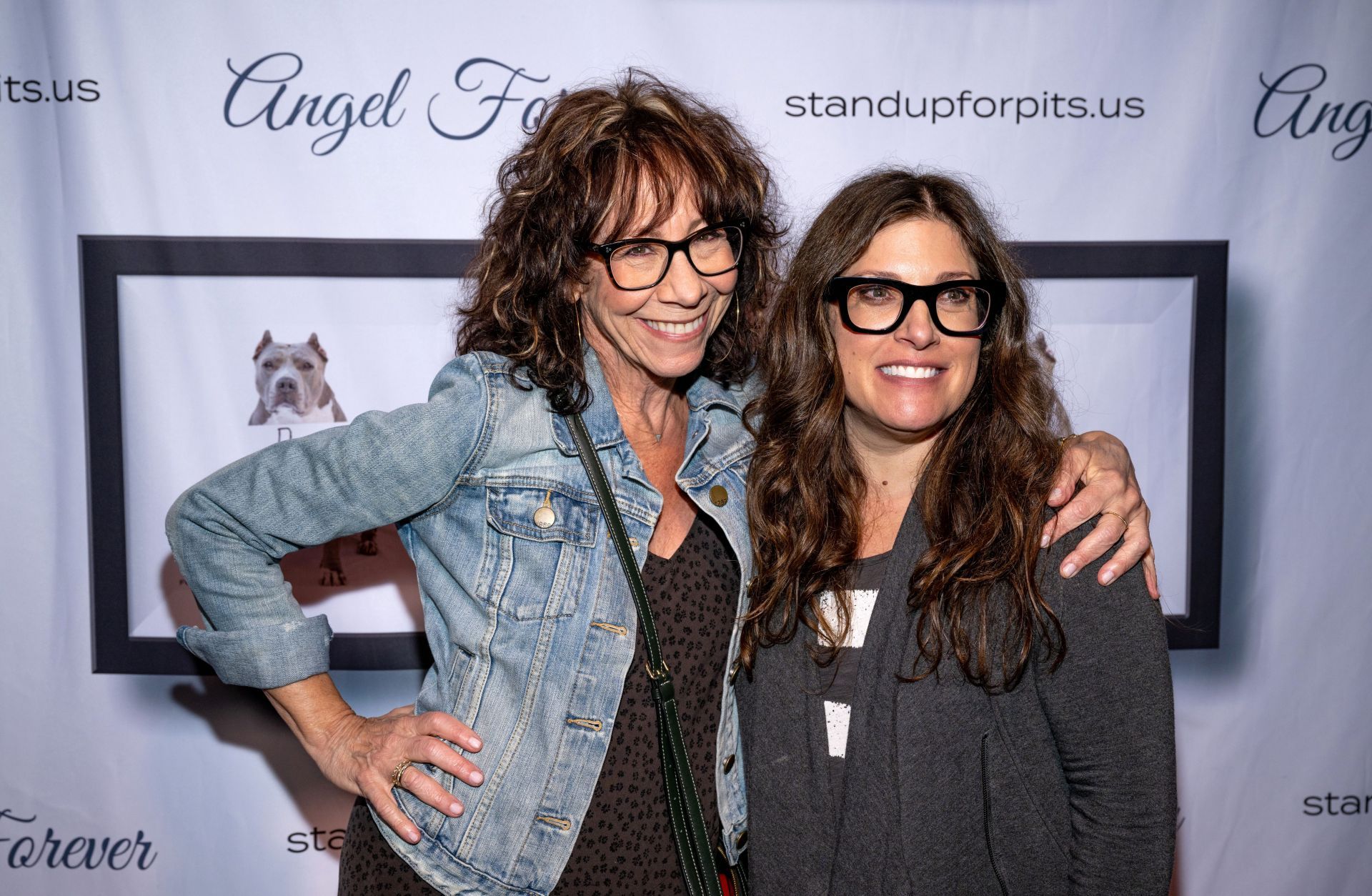
Rebecca Corry, whose career initially flourished in the realm of acting, comedy, and writing, notably as a star of Last Comic Standing, took on the mantle of an animal activist in recent times.
Today, she functions as the Executive Director of the Stand Up For Pits Foundation, a non-profit organization focused squarely on educating the public, advocating for, and protecting the lives of pit bull "type" dogs, a fact she shared on their Instagram profile.
Rebecca Corry's activism recently escalated into a serious legal challenge against Los Angeles municipal authorities, spurred by allegations of animal cruelty. Reports recently published in outlets like TMZ and the Daily Mail confirmed that Corry's non-profit, Stand Up for Pits, had filed a lawsuit. The suit targeted the City of Los Angeles itself, along with Mayor Karen Bass, the Los Angeles Police Department, LA Animal Services, and manager Annette Ramirez.
The foundation's legal complaint, as evidenced by documents secured by the Daily Mail, focused on the alleged mistreatment of dogs residing in shelters across the city, as well as those located in the extensive, problematic area of Skid Row in Downtown Los Angeles, where a large unhoused population resides.
Rebecca Corry, the comedian who became a strategist
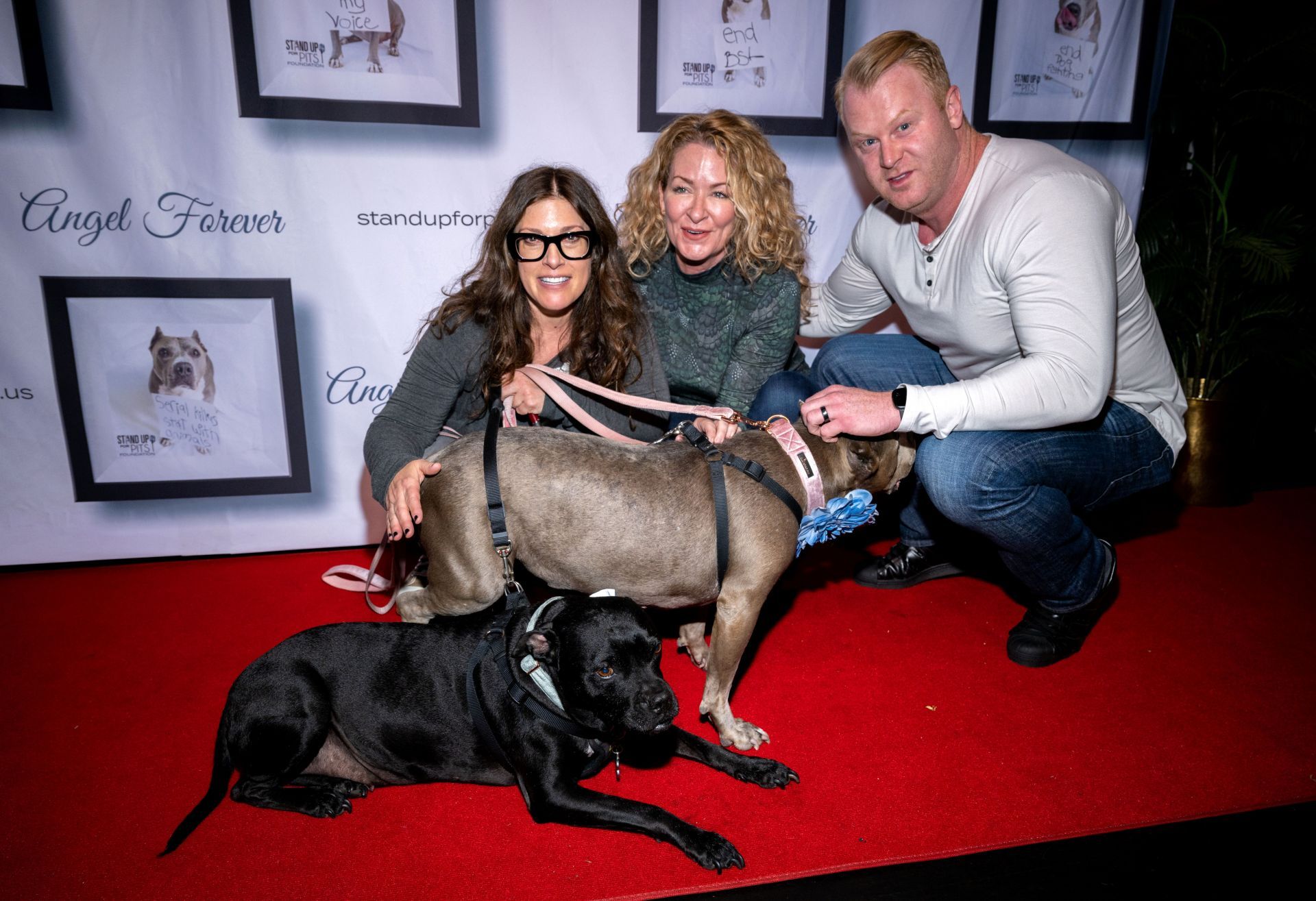
The founding of the Stand Up For Pits Foundation was an act of necessity for Rebecca Corry, who found herself unable to ignore the suffering of "pit bull type" dogs after adopting one named Angel. Rebecca Corry disclosed the emotional tipping point in a 2021 interview with Photobook magazine, noting that Angel’s arrival “changed the trajectory of [her life]” and exposed her to their "horrific plight."
“I was sickened and saddened at what I learned but once I did, doing nothing was not an option,” she told the publication.
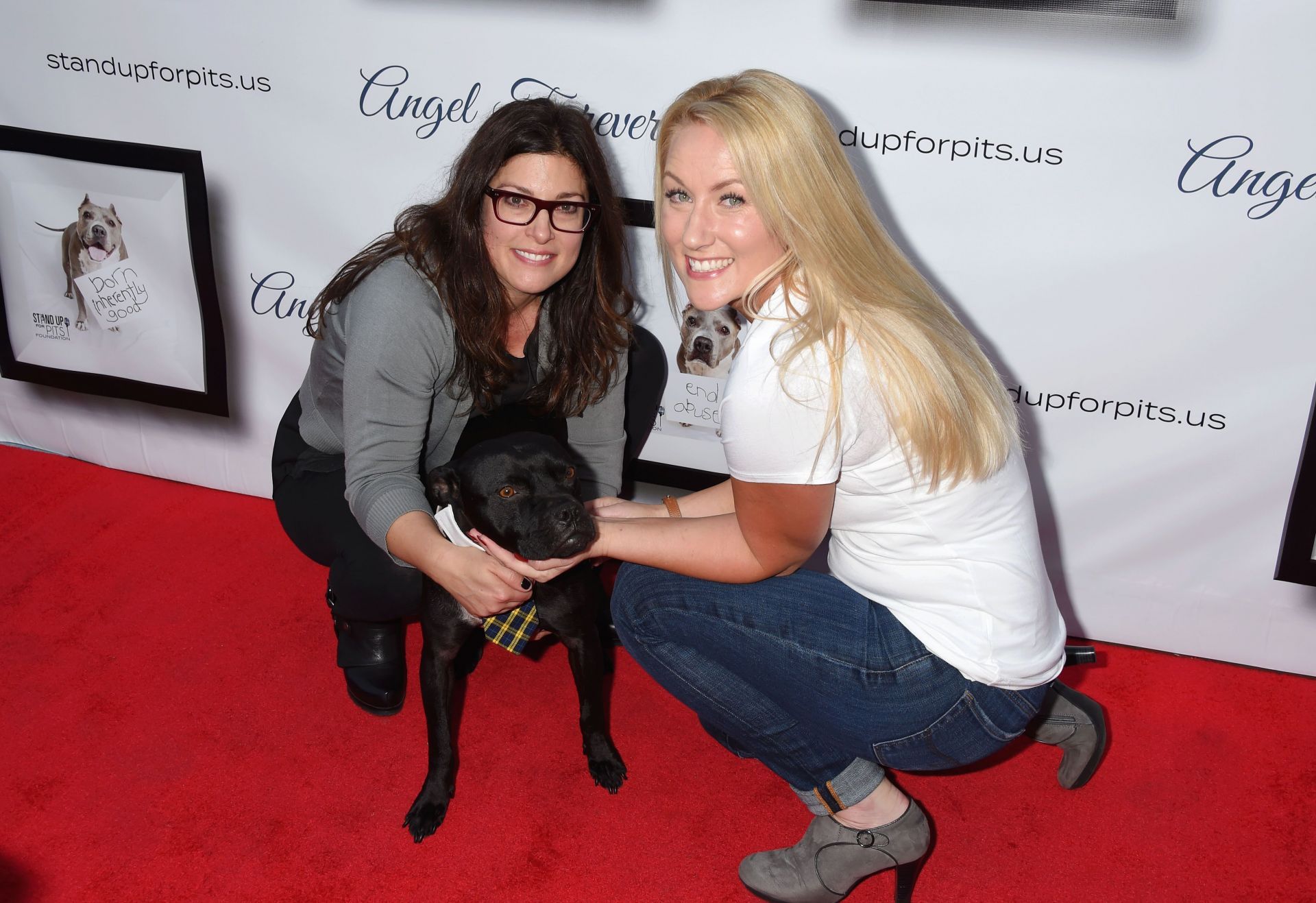
Rebecca Corry utilized her comedy platform to launch her activism, producing the debut Stand Up For Pits event at the Hollywood Improv in 2011. The show featured prominent comedians, including Mo Collins and Brody Stevens, and successfully generated thousands of dollars. Rebecca Corry made it clear that
"every penny went directly to a local pit bull type dog rescue.”
The events served as multi-purpose conduits for change, simultaneously raising
“funds, awareness, help get dogs adopted, grow rescues and collect donated shelter supplies.”
The scope of her ambition quickly outgrew the initial fundraising structure. Rebecca Corry decided to take Stand Up For Pits nationwide, volunteering her time and ensuring that proceeds consistently aided local rescues. After years of this work, she felt compelled to tackle legislative issues directly.
This push culminated in the organization of the first One Million PIBBLE March, designed to fight against the discriminatory BSL and the national dogfighting crisis. This strategic shift in focus prompted the final evolution:
"I decided to become my own nonprofit foundation so I could allocate funds towards what I felt would best help make an impact and save lives.”
"To put the work load in perspective, organizing and producing Stand Up For Pits national tours are like planning 15 different weddings in cities around the country all at the same time by yourself… except harder. It’s brutal but organizing the One PIBBLE march on Washington DC was, without question, the hardest thing I have ever done," she added.
Comedy: The coping mechanism that launched a career for Rebecca Corry
As per an interview with Photobook magazine, Rebecca Corry always possessed an innate love for humor, recalling that she
“loved laughing and acting like a fool.”
She was recognized early for this trait, being the "moron in detention" and earning the title of “Class Clown” in high school. The performer stressed that laughter served a far deeper purpose than mere entertainment; it was a powerful coping tool. "Laughter was and still is, in some ways, a coping mechanism for me," she revealed, detailing its critical role:
“Finding the funny in times of suffering, pain and trauma (which was my childhood) is what saved me from a life of giving hand jobs behind Donut Time for crack money,” she said.
 Trending
Her professional trajectory started in Chicago three decades ago. Shortly after arriving in the city, she and her husband encountered two actors from The Second City, Rose Abdoo and Jimmy Doyle, in Lincoln Park. Following an invitation to a show, Rebecca Corry was so captivated by their performance that she auditioned for the prestigious Second City training center.
She gained acceptance into the "coveted and hard to do" program at a time when future stars like Tina Fey, Steve Carell, Amy Sedaris, and Steve Colbert were leading stage actors, providing unparalleled inspiration. Corry then spent ten years building her craft, eventually moving to Los Angeles, but remaining grateful for having started out in Chicago.

Love movies? Try our Box Office Game and Movie Grid Game to test your film knowledge and have some fun!


 Reply
Reply


