


'%20x='0'%20y='0'%20height='100%25'%20width='100%25'%20%0A%20%20%20%20%20%20%20%20%20%20xlink%3Ahref='data:image/jpg;base64,/9j/2wBDAAYEBQYFBAYGBQYHBwYIChAKCgkJChQODwwQFxQYGBcUFhYaHSUfGhsjHBYWICwgIyYnKSopGR8tMC0oMCUoKSj/2wBDAQcHBwoIChMKChMoGhYaKCgoKCgoKCgoKCgoKCgoKCgoKCgoKCgoKCgoKCgoKCgoKCgoKCgoKCgoKCgoKCgoKCj/wAARCAAGAAoDASIAAhEBAxEB/8QAFgABAQEAAAAAAAAAAAAAAAAAAAMH/8QAIhAAAgEDAgcAAAAAAAAAAAAAAQIEAAMhBREGEjE1YWJx/8QAFQEBAQAAAAAAAAAAAAAAAAAAAgP/xAAZEQACAwEAAAAAAAAAAAAAAAABAgADESH/2gAMAwEAAhEDEQA/AMP4HWDckQY+oCQLMi6wd7HKWULnAOD8xVBrkPbtVp/ZmyfJ2HWlKdDsCcMpZ1RP/9k='%3E%3C/image%3E%3C/svg%3E)

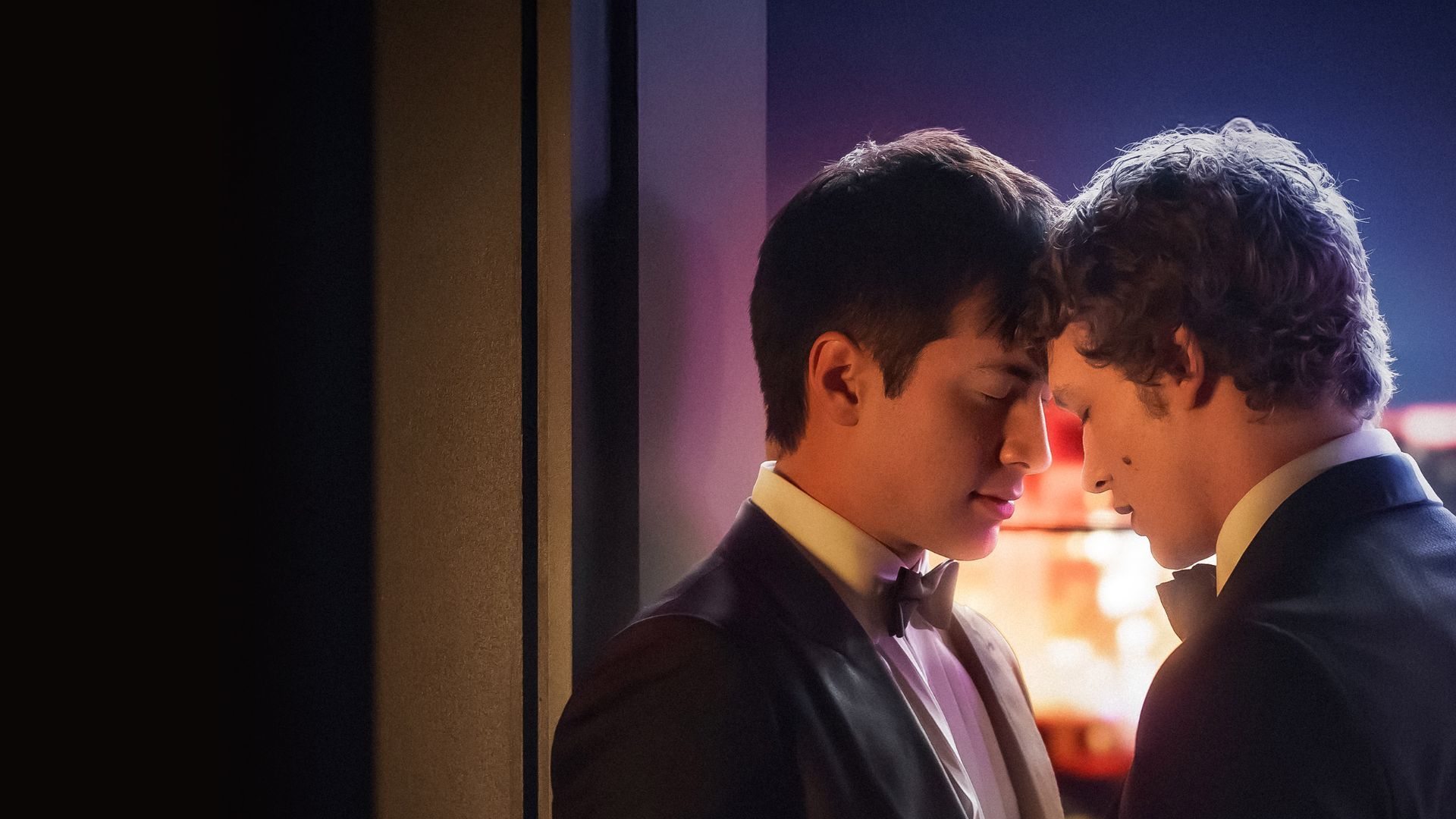
Heated Rivalry has created quite a buzz among the audience, be it positive or negative. I keep coming back to the same thought while watching Heated Rivalry. This show didn’t just land well; rather, it was loud.
The reaction feels bigger than hype cycles or trending edits and at this point, people are debating it, defending it, questioning it.
That usually means something deeper is happening. When success and backlash grow together, it often signals a shift worth paying attention to. So let's explore the reasons why it is a major success in the queer genre and also why it is being criticized.
Disclaimer: This article is based on the writer's opinion. Reader discretion is advised.
5 reasons why Heated Rivalry works so well in modern queer drama

1) It treats queer sex like part of life, not a suggestion
One thing that becomes clear almost right away is that Heated Rivalry refuses to hide intimacy behind cutaways. When we consider more from this genre, most shows still soften queer sex. They hint, imply, and even move the camera away.
But this show doesn’t. It stays in the room and that choice changes how the story feels. The intimacy is more than a bonus scene and feels built into the characters’ daily reality. For me, that honesty stands out more than the shock factor. The scenes feel lived-in, not staged for reaction clips.
2) The relationship starts with sex, not speeches
I like that Shane and Ilya don’t begin with emotional clarity, and they begin with attraction, like many heterosexual connections. That feels closer to real life than most TV romances.
Desire shows up before answers and feelings catch up later. And, of course, Heated Rivalry doesn’t rush that process. Rather, it lets confusion sit around for a while. Their physical connection becomes a way to show control, fear, trust, and distance.
That’s industry-smart storytelling, utilizing action instead of lengthy dialogue. The result feels very organic, rather than being planned by the storytellers.
3) It places queerness inside a tough, public space
Setting this story in pro hockey is not random. Hockey still carries a hetero-masculine image, and the silence matters there. Bringing a queer love story into that space creates tension without forcing it.
Every choice has stakes and every secret costs something. The show quietly points out how rare openly queer men are in that world. It doesn’t lecture. Instead, it lets the silence speak. That setting adds weight to even small moments; a glance means more than a glance, and a mistake carries risk.
4) The direction shows clear intent
You can feel control behind the camera and the intimate scenes feel watched, not exploited. The camera doesn’t chase bodies but stays with the expressions. Breathing matters and tells me the creative team understands gaze and tone.
Someone thought about how this would feel to watch, not just how it would look. Even though the source material came from a different voice, the adaptation feels aligned. Clear enough, that balance doesn’t happen by accident.
5) It proves queer-led stories can pull numbers
The performance matters and Heated Rivalry didn’t quietly succeed. Strong debut numbers and fast renewal send a clear signal and the audiences show up when the story feels confident.
This matters in a landscape where queer shows often disappear early. As we know, visibility only helps if it lasts. Right now, this one is holding its ground.
5 reasons why Heated Rivalry is also getting pushback

1) Some viewers feel the sex takes over the story
Not everyone connects with how central intimacy feels here. For some, it becomes overwhelming as they want more space for plot beats and quieter growth. Instead, they feel surrounded by physical scenes.
I don’t fully agree, but I understand the reaction. It is just a matter of subjectivity. If someone expects romance-first storytelling, this structure may feel off.
2) It doesn’t reflect every queer experience
This criticism comes up often, and it’s complicated, as some viewers say the show doesn’t feel “real” to them. I don’t think that means it’s wrong. It means it’s specific.
No single show can represent the full range of queer experiences. Still, when viewers don’t see themselves reflected, frustration makes sense. That tension highlights the need for more stories, not fewer.
3) The world feels glossy and distant
These characters live inside the bubble of privilege, to be honest. They are blessed with fame, money and physical perfection. For some viewers, that fantasy creates distance and it doesn’t feel reachable.
I understand that reaction and representation feel strongest when they touch everyday life. The show leans high-end by design and that choice won’t land for everyone.
4) Questions about who the show is really for

There’s ongoing talk about the audience and a large part of the fanbase appears to be women. That sparks debate about gaze and intention. So, who gets centered? Who consumes the story?
I don’t think there’s a simple answer here, but the question itself matters. It pushes the industry to think more carefully about how queer stories get framed.
5) The explicit nature limits access
This isn’t a show you recommend lightly, and watching with family becomes tricky. Some viewers want queer stories they can share more freely. This one asks for privacy.
While I value the honesty, I understand the concern; accessibility shapes reach and bold choices always come with trade-offs.
Why the praise and criticism feel connected
I don’t think Heated Rivalry aims to please everyone and that’s part of why it stands out. It takes risks that most shows avoid and creates noise. Negative attention is still attention, right?
The conversation around it feels bigger than the show itself and navigates space and how much queer intimacy mainstream TV can hold. Messy progress still counts as progress.
Where I personally land on Heated Rivalry
Personally, I don’t see this show as a final answer to anything. Instead, I see it as a signal. It shows confidence and demand in parallel.
It even highlights that queer stories don’t need to shrink to survive. At the same time, it reminds us that one show can’t do everything. As audiences, we need soft stories and loud ones. If Heated Rivalry helps widen that range, its impact already goes far beyond ratings.
 Trending
Follow Soap Central for more such stories.


 Reply
Reply


