


'%20x='0'%20y='0'%20height='100%25'%20width='100%25'%20%0A%20%20%20%20%20%20%20%20%20%20xlink%3Ahref='data:image/jpg;base64,/9j/2wBDAAYEBQYFBAYGBQYHBwYIChAKCgkJChQODwwQFxQYGBcUFhYaHSUfGhsjHBYWICwgIyYnKSopGR8tMC0oMCUoKSj/2wBDAQcHBwoIChMKChMoGhYaKCgoKCgoKCgoKCgoKCgoKCgoKCgoKCgoKCgoKCgoKCgoKCgoKCgoKCgoKCgoKCgoKCj/wAARCAAGAAoDASIAAhEBAxEB/8QAFgABAQEAAAAAAAAAAAAAAAAAAAYH/8QAIBAAAQMEAgMAAAAAAAAAAAAAAQIDBAAFBhETMVFxcv/EABQBAQAAAAAAAAAAAAAAAAAAAAP/xAAYEQADAQEAAAAAAAAAAAAAAAAAAQIhMf/aAAwDAQACEQMRAD8Aj7BnV2tDOOQrO9wwUvyVyWVJGngUEkE/IIHgndZrJlPCS6AzHICzrfffqlKKNSErp//Z'%3E%3C/image%3E%3C/svg%3E)

When House of Cards premiered, it changed television overnight. It turned binge watching into a habit, made streaming feel prestigious, and redefined the modern antihero. Frank and Claire Underwood felt terrifyingly plausible in a world already suspicious of power, ambition, and political theater, and the show marked the rise of Netflix and of course, the streaming site's iconic tudum sound that went on to become an identity, thanks to the show.
Years later, House of Cards hits a different note. Real world politics have outpaced their cynicism, behind the scenes scandals have complicated its legacy, and some of their once daring choices now feel firmly rooted in their era. House of Cards now exists on an uncomfortable middle ground where influence and unease coexist. That tension is exactly why it remains worth revisiting, and why parts of it have not aged well.
5 reasons why House of Cards is worth watching
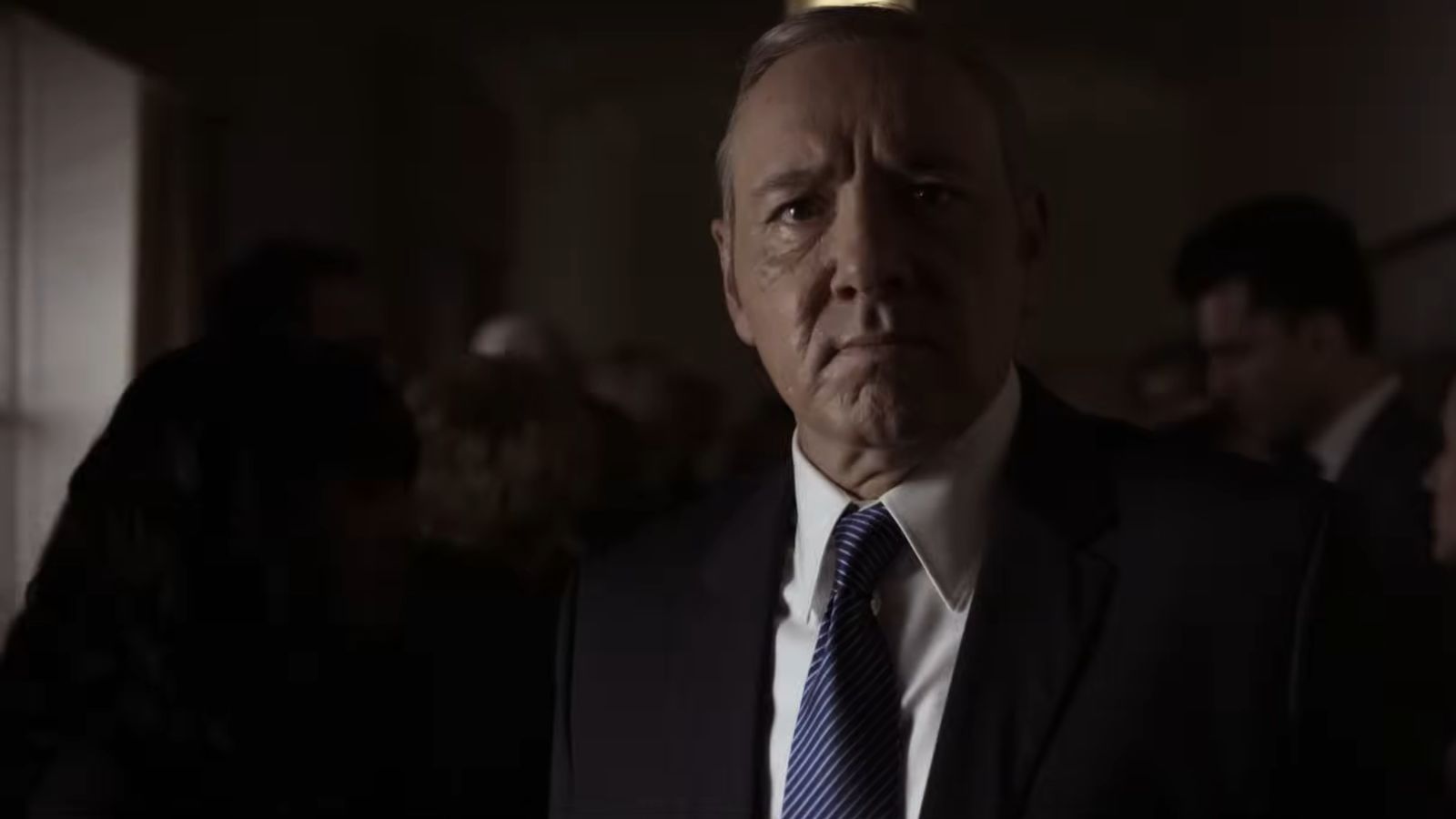
1 A protagonist you would love to hate
The show is anchored by the brilliant performance of Kevin Spacey, who gives you a villain you hate, but are drawn to. Frank Underwood is charming, calculating and deeply unsettling, and against your better judgment, you find yourself rooting for him. If you enjoy complex characters who blur the line between villain and lead, this alone makes the series worth your time.
Claire Underwood steals the show
Frank's wife Claire Underwood, is more than just a supporting spouse waiting in the wings. Played by Robin Wright, she is a force and with her icy restraint and quiet dominance, she is one of the most compelling women on television. She is ambitious, strategic, and emotionally guarded, operating with just as much hunger for control as her husband.
What makes Claire fascinating is how rarely she is softened or explained away. The show lets her be sharp, selfish, and brilliant without apology. Watching Claire navigate power on her own terms feels refreshing and slightly terrifying in the best way.
Claire and Frank's marriage is another main character on the show

Frank and Claire Underwood have one of the most complicated marriages on television. Their bond is rooted in shared goals and ambitions rather than emotional warmth and affection, which makes their bond pretty unreliable. They support each other, until they don't.
In ways more than one, their marriage becomes a political institution in itself, reflecting how power changes even the most personal relationships.
Politics without the illusion
The show strips politics of its idealism and perfection and presents it for what it is: a ruthless game of leverage and survival. It is cynical, yes, but also brutally engaging. Backroom deals, strategic betrayals, and carefully staged public performances drive the story forward. While the series exaggerates for drama, it still taps into a very real frustration with how power operates.
Perfect for a serious binge
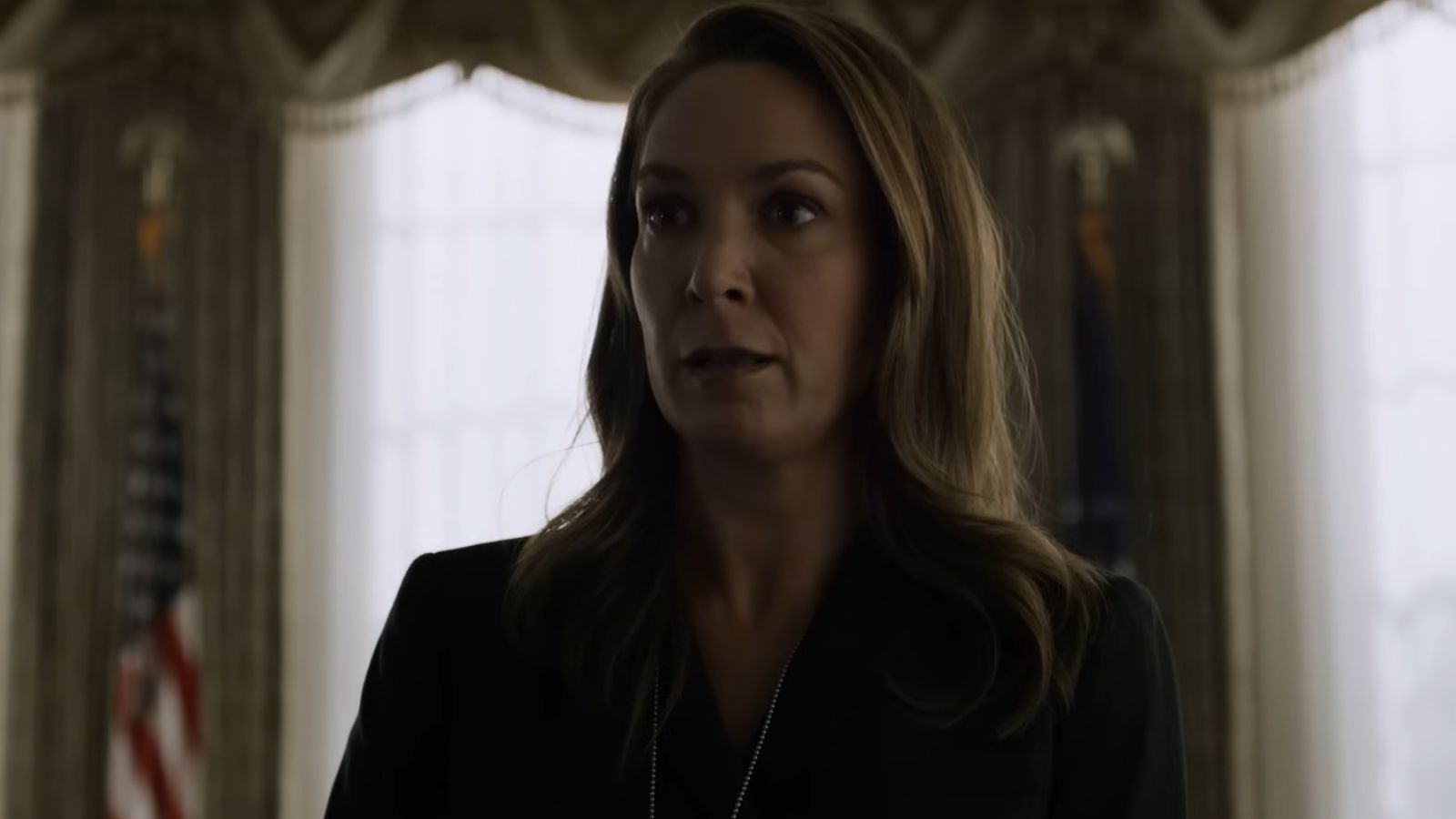
One of the biggest strengths of the show is how relentlessly watchable it is. The episodes have enough tension for you to immediately jump on to the next episode. With all the seasons available on Netflix, it's the perfect option for a deep binge when you want something smart, dark and addictive.
Five reasons why House of Cards did not age well

1. It ran out of story the moment Frank won
The show felt electric and thrilling when Frank craved power and was climbing the stairs of political success. But once he actually reached there, the show felt bleak and all the thrill and tension fell apart because power feels better in pursuit than in possession.
After his presidency, the same beats kept on repeating as there was nowhere higher to go for him and we kept coming back to the same circle.
2. Shock replaced intelligence
The way real world politics soon started catching up to the satirical, exaggerated political systems shown on the show ruined the experience. One of the best parts of House of Cards was that you could sit and watch the absurd political climate in a fictional setting, but the moment real politics started mirroring this terrifying premise, the show lost its charm because it was no longer entertaining but too deeply rooted in the reality of the world
3. Real politics outpaced satire

One of the best parts of the show was its satirical depiction of real-world politics but as soon as real world politics started catching up and surpassing it, the show started feeling rather tame. The satire lost its bite because it could no longer shock. When actual headlines became stranger than fiction, the show struggled to stay relevant. Instead of feeling like a warped mirror of power, it began to feel disconnected from the moment it was trying to comment on.
4. Kevin Spacey's controversies had a part to play in the show's decline
Spacey was accused of sexual misconduct in 2017, after which multiple people, including people who worked on House of Cards came forward to confess their own experiences with the actor. As a result, Netflix cut ties with him and removed him from the last season of the show that showed Frank's death. It certainly affected House of Cards' reputation as a whole, and altered the show's future.
5. It forgot how to have fun
The early seasons had a wicked sense of humor. The fourth-wall breaks, the sly asides, the dark jokes all made the cruelty entertaining. Later, that playfulness disappeared. The tone grew self-serious, almost solemn, as if the show believed in its own myth. Without irony or mischief, the excess became exhausting. House of Cards stopped winking at the audience and started demanding to be taken seriously, even when the storytelling no longer earned that gravity. That loss of fun is what ultimately made it age poorly.
 Trending
House of Cards is available to stream on Netflix.


 Reply
Reply


