


'%20x='0'%20y='0'%20height='100%25'%20width='100%25'%20%0A%20%20%20%20%20%20%20%20%20%20xlink%3Ahref='data:image/jpg;base64,/9j/2wBDAAYEBQYFBAYGBQYHBwYIChAKCgkJChQODwwQFxQYGBcUFhYaHSUfGhsjHBYWICwgIyYnKSopGR8tMC0oMCUoKSj/2wBDAQcHBwoIChMKChMoGhYaKCgoKCgoKCgoKCgoKCgoKCgoKCgoKCgoKCgoKCgoKCgoKCgoKCgoKCgoKCgoKCgoKCj/wAARCAAGAAoDASIAAhEBAxEB/8QAFgABAQEAAAAAAAAAAAAAAAAAAAEH/8QAIBAAAQQCAQUAAAAAAAAAAAAAAgABAwQFQSEGBxExUf/EABUBAQEAAAAAAAAAAAAAAAAAAAQF/8QAGxEAAwACAwAAAAAAAAAAAAAAAQIDAPARISL/2gAMAwEAAhEDEQA/AM16Qr0cjgMZXq0YBvxzSDNNK3Bs4OLfdv59aVt9qLkVuaN8hVdwMh4AtOiIdWKP53vKk5rRAWG8Z//Z'%3E%3C/image%3E%3C/svg%3E)

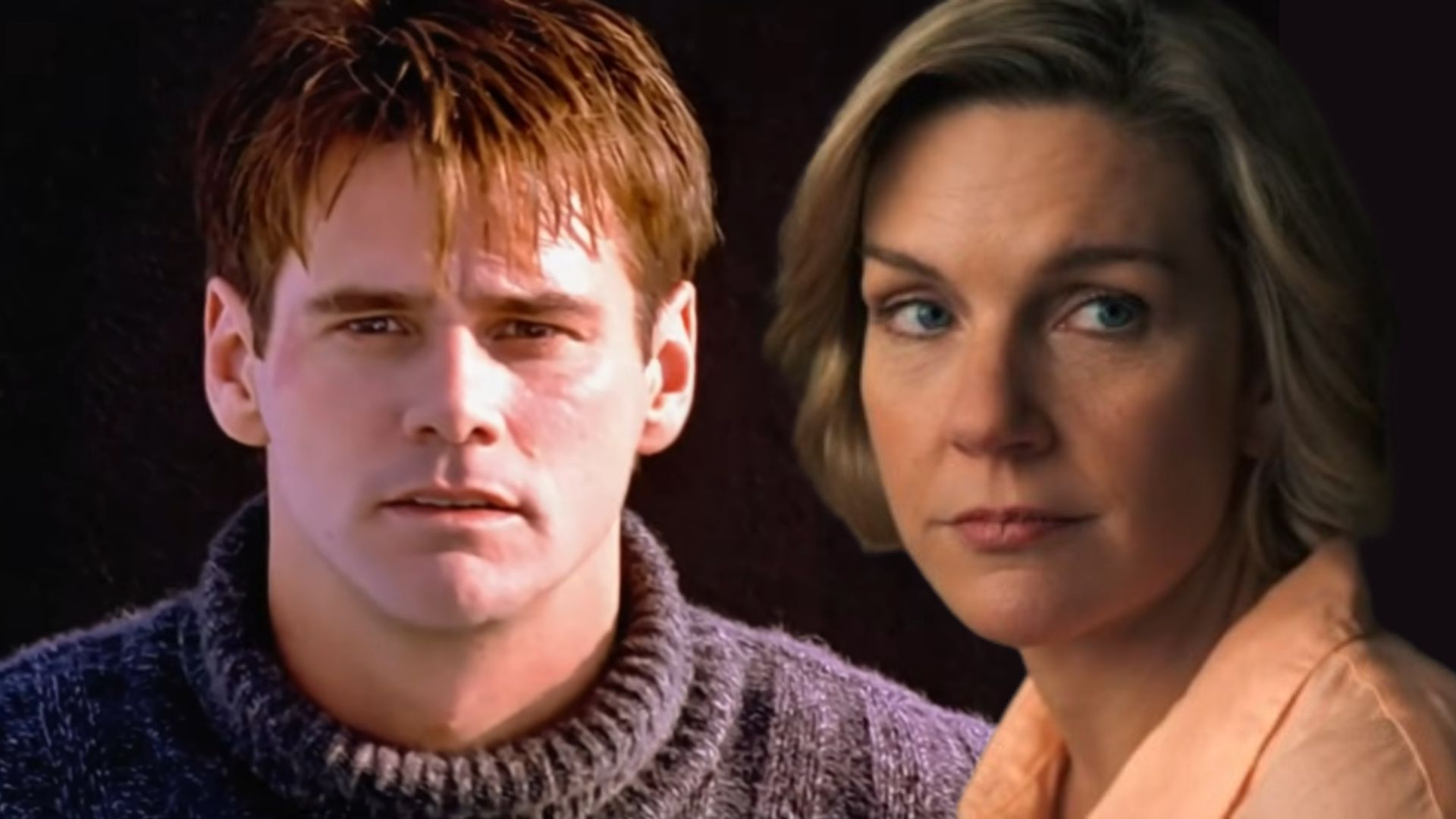
After Episode 8 of Pluribus, the Apple TV hit makes one thing clear: Pluribus is quietly walking on the same emotional road as The Truman Show, the Jim Carrey classic that changed how people look at control and freedom. The connection is not loud or flashy. It sits under the surface.
In simple terms, Pluribus asks the same scary question. Is a calm life worth it if someone else is writing your story?
Constructed worlds as controlled experiments in Pluribus & The Truman Show
The very core of Pluribus is about a world that looks calm, safe, and almost too perfect. The show slowly reveals that this calm is not natural. Carol Sturka lives among people who feel human but no longer think like individuals. They are part of a shared mind that shapes daily life around her. This is where the comparison with The Truman Show becomes impossible to ignore.
In the film, Truman Burbank grows up inside a town that is actually a giant set. Every street, smile, and conversation exists to keep him in place. Pluribus flips that idea into science fiction but keeps the same spine. Instead of actors and cameras, Carol faces a hive mind that builds a soft and friendly reality around her. In both cases, the environment is not random. It is designed.
What makes this similarity hit hard is how normal everything looks. Neither Truman nor Carol wakes up in a nightmare world. They wake up in places that feel safe. That safety is the trap. Both stories treat the world like a test tube, watching how long one person can live inside a lie before they start asking questions.
The illusion of happiness and stolen choice
Both Pluribus and The Truman Show dig deep into the idea of happiness that is handed to you instead of chosen. Truman is told he lives in the best place possible. Carol is surrounded by Others who promise peace, safety, and freedom from pain. On the surface, it sounds like a dream.
But the cost is high. Choice slowly disappears. Truman cannot leave his town without fear of it being used against him. Carol cannot fully act on her instincts without the hive mind stepping in to correct her. In both stories, comfort becomes a leash leading back to control.
This is where the comparison feels sharp and uncomfortable. The people running these worlds truly believe they are helping. The director in The Truman Show sees himself as a protector. The Others in Pluribus believe joining the collective is a gift. That belief makes the control even scarier. It is not cruel for the sake of cruelty. It is control wrapped in kindness.
By showing this, both stories ask the same quiet question. If a life is calm but scripted, is it really living at all?
Awakening, resistance, and the cost of freedom
The turning point in both stories comes when the main character starts noticing cracks. Truman spots things that do not add up. Carol feels the weight of being watched and managed. These moments are small at first, but they grow louder.
Resistance does not come easy. Both characters hesitate. Staying feels easier. Leaving means stepping into pain, fear, and the unknown. In The Truman Show, Truman almost gives up before finding the courage to escape. In Pluribus, Carol edges close to accepting the world built for her before outside influence pushes her to keep questioning.
The real similarity lies in what comes after. Freedom is not painted as a clean win. Truman walks into a world that will watch him differently. Carol is likely heading toward a future where freedom demands hard choices and emotional loss. Neither story promises happiness at the end. They promise honesty.
Pluribus and The Truman Show connect because they chase the same truth from different angles. Both show how easy it is to confuse control with care and comfort with freedom.
By placing one person inside a world built to shape them, these stories expose how fragile choice can be. That shared core is why the Apple TV show feels so powerful and why the comparison refuses to fade.
 Trending
Stay tuned to Soap Central for more updates.


 Reply
Reply


