


'%20x='0'%20y='0'%20height='100%25'%20width='100%25'%20%0A%20%20%20%20%20%20%20%20%20%20xlink%3Ahref='data:image/jpg;base64,/9j/2wBDAAYEBQYFBAYGBQYHBwYIChAKCgkJChQODwwQFxQYGBcUFhYaHSUfGhsjHBYWICwgIyYnKSopGR8tMC0oMCUoKSj/2wBDAQcHBwoIChMKChMoGhYaKCgoKCgoKCgoKCgoKCgoKCgoKCgoKCgoKCgoKCgoKCgoKCgoKCgoKCgoKCgoKCgoKCj/wAARCAAGAAoDASIAAhEBAxEB/8QAFgABAQEAAAAAAAAAAAAAAAAAAAQH/8QAIRAAAQMDBAMAAAAAAAAAAAAAAQIDBAAREgUGBzEhQWH/xAAUAQEAAAAAAAAAAAAAAAAAAAAE/8QAGREBAAMBAQAAAAAAAAAAAAAAAQACAyFB/9oADAMBAAIRAxEAPwDLd2cgT2N1iTDyZZDRZU2TkFZC+WPWQv3UsblXdLMdpprUEBtCAlIVGQo2A8XPs/aUp7rd9gjGgHJ//9k='%3E%3C/image%3E%3C/svg%3E)

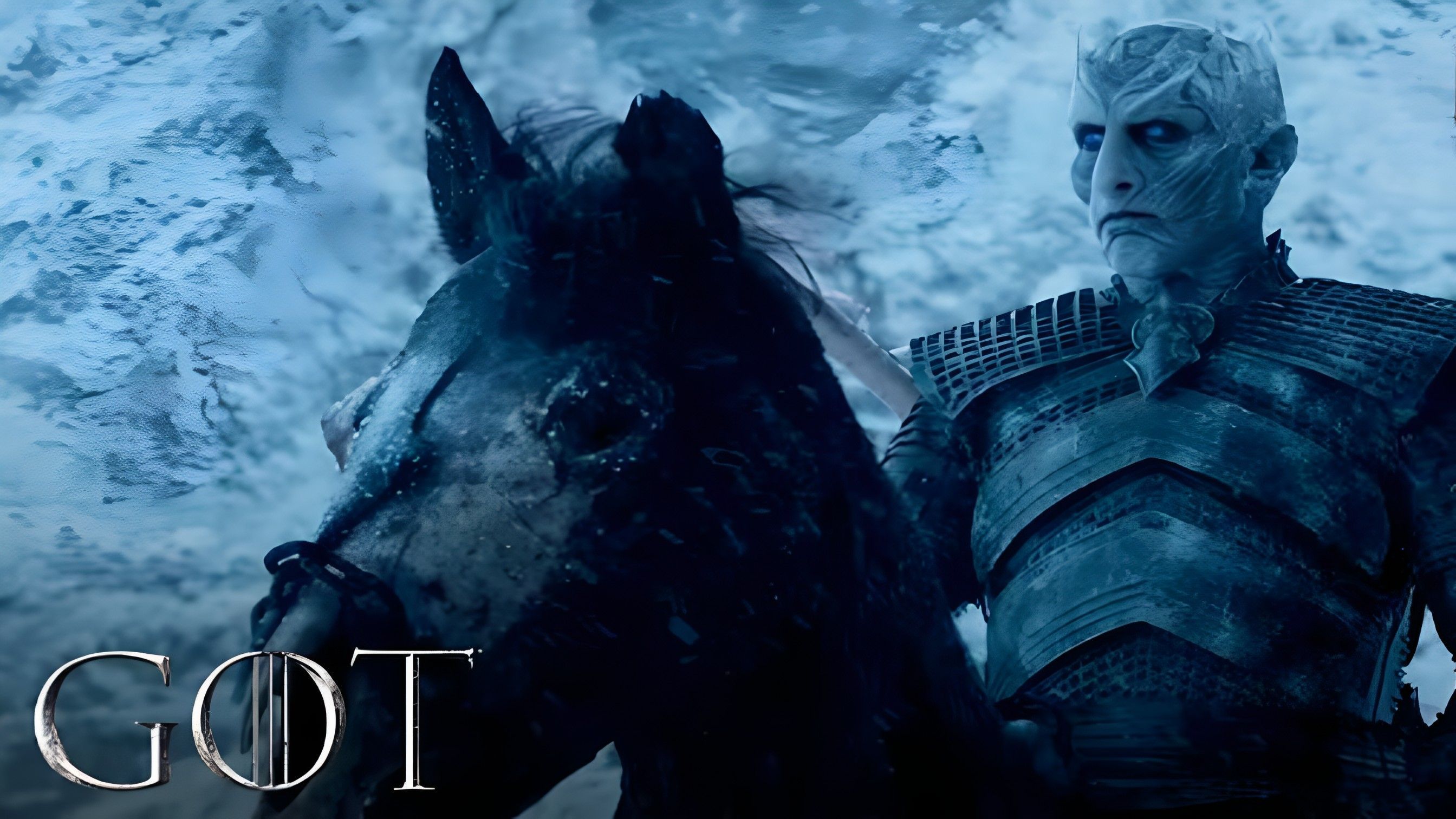
Game of Thrones made it clear to the audience that there was no character who was really safe!
But even before Westeros earned that reputation of surprising deaths, another show in the background changed the way of television with deaths that seemed to be exceedingly common yet still full of emotion.
One of the most recognized characters was taken off the show without any prior notice or publicity, and this was done in a way that depicted realism rather than the use of spectacle.
The Game of Thrones later became known for the death of characters by surprise. It indicated a change that was already taking place. The Wire is a good example of this. The show ran on HBO from 2002-2008.
The show, by focusing on societal structures and the apathy of institutions, treated the death of characters as just a part of life, not as a dramatic turning point.
Television before Game of Thrones
In the years leading up to the premiere of Game of Thrones in 2011, most of the dramas treated the sudden deaths of major characters as highly significant and well-planned events.
The central characters were usually implicitly given narrative protection, and when they died, moments were designed to offer closure, climax of emotions, or moral resolution.
Shows like MASH, ER, Oz, and NYPD Blue could break this norm, but they never did it in such a quiet and consistent way as in The Wire. In most series of that time, death was regarded as an event of great or symbolic importance, while in reality, it was just one of the unceremonious outcomes of systemic reality.
The Wire’s realism-driven approach
The Wire, created by David Simon, was centered more on exploring the institutions than the characters. In fact, each season concentrated on a different aspect of society, police, drugs, politics, education, and media, and revealed how they influence and even often overpower the people in the system.
The characters were not protected from death just because of their importance in the story. Survival was determined by the environment, situation, and the pressures of the system.
This denial of the main character's immunity is one reason why Omar Little's death is remembered as one of the most impactful moments in television history; it is also one of the reasons why comparisons to Game of Thrones are repeatedly made, even though in this case, the influence is more philosophical than direct.
Omar Little
Omar Little, played by Michael K. Williams, is a robber who, instead of misleading and killing drug dealers, sticks strictly to personal ethics. By doing this, he is not only showing loyalty but also pointing out the absurdities in the criminal world of Baltimore.
Over the five seasons of the show, Omar turned out to be a very reliable character amidst the complexity of the story. Omar, like so many early Game of Thrones characters, was perceived to be narratively central.
However, The Wire never hinted that his at least temporarily dead status meant he was going to live forever. The feeling of safety that the audience had was deliberately undermined.
Omar’s death
Omar passes away in Season 5, Episode 8, named “Clarifications.” While he is at a store to buy cigarettes, the kid Kenard, who has been depicted earlier as a boy witnessing the daily violence around him, shoots him in the head.
The moment is quick and without any dramatic buildup. A sudden smash-up and a cut are all that occur; there is no climax confrontation, no music, no last words.
This treatment, however, sets the tone for the future and henceforth anticipates the narrative shock value that Game of Thrones would later popularize in the fantasy context.
Aftermath: Systems over individuals
Omar’s death remains a strong reminder of the show’s realism throughout. His corpse is taken to the morgue, where it is wrongly identified at first, and his name is misspelled on the label. The larger system, the drug trade, the police, and the city bureaucracy, go on as usual.
Unlike Game of Thrones, where the death of a character often means plot movement or power metamorphosis, The Wire gives more emphasis to the indifference of systems. The individuals, in the grand scheme of the city’s long-term processes, hardly count.
Comparing philosophies: The Wire vs. Game of Thrones
The two series, while having different implementations of the “main character immunity” principle, nevertheless have the same rejection of it as their basic tenet. In the case of Game of Thrones, the death of Ned Stark or the Red Wedding not only changes the story world but also acts as a catalyst for narrative change.
In contrast, The Wire portrays death as a rarely witnessed phenomenon that society keeps on ignoring through its banality rather than showing off through spectacular events.
Both series instruct the viewers not to take their safety for granted, but The Wire does so in a quiet, subtle, and realistically grounded way. Game of Thrones, on the other hand, takes the shock and the repercussions to epic proportions by amplifying them.
Part of a broader TV evolution
It is worth mentioning that The Wire did not bring to life the idea of unexpected character death. Existing shows MASH, ER, Oz, and NYPD Blue now and then killed off the main characters in an unexpected way. However, the uniqueness of The Wire is in its consistency, restraint, and the turning of these moments into the whole system.
When the series presented mortality as a normal and not dramatic thing, it actually enhanced the trend of prestige television coming to acceptance of the risk in the plot, with such shows as Game of Thrones.
Why Omar Little’s death still resonates
The death of Omar is being talked about as a major event in the history of television, as it threw out the narrative comfort. There was neither a moral lesson learnt nor a dramatic closure, and fines of justice did not exist. The show’s central idea is emphasized: institutions do not stop taking in people.
Though Game of Thrones made sudden character death a global phenomenon, The Wire showed how, through realism and banality, death could be rendered deeply disturbing without the need for drama.
The Wire and Game of Thrones constitute the same philosophical perspective with respect to mortality in storytelling, and thus, no character is safe. Omar Little’s quiet and unceremonious death makes the real-world systemic forces visible, while Game of Thrones depicts similar unpredictability but at an epic scale.
 Trending
Both series ask viewers to respond in a new way; they are also challenging the beliefs about narrative security and emotional expectation. In this regard, Omar’s death is still one of the most influential examples of the power of unexpected loss in television.
Also Read: Game of Thrones cast and character guide: Here's who brought the GRRM fantasy drama to life


 Reply
Reply


