


'%20x='0'%20y='0'%20height='100%25'%20width='100%25'%20%0A%20%20%20%20%20%20%20%20%20%20xlink%3Ahref='data:image/jpg;base64,/9j/2wBDAAYEBQYFBAYGBQYHBwYIChAKCgkJChQODwwQFxQYGBcUFhYaHSUfGhsjHBYWICwgIyYnKSopGR8tMC0oMCUoKSj/2wBDAQcHBwoIChMKChMoGhYaKCgoKCgoKCgoKCgoKCgoKCgoKCgoKCgoKCgoKCgoKCgoKCgoKCgoKCgoKCgoKCgoKCj/wAARCAAGAAoDASIAAhEBAxEB/8QAFgABAQEAAAAAAAAAAAAAAAAAAAUH/8QAIBAAAQQCAQUAAAAAAAAAAAAAAQIDBBEAEiEFEzFh0f/EABUBAQEAAAAAAAAAAAAAAAAAAAQF/8QAFxEBAQEBAAAAAAAAAAAAAAAAAQAhMf/aAAwDAQACEQMRAD8AwVjqsUQWYzECMGglSlhbIUXFVwSrzx6oZBdeg91esWk7GhZ+4xlDhETb/9k='%3E%3C/image%3E%3C/svg%3E)

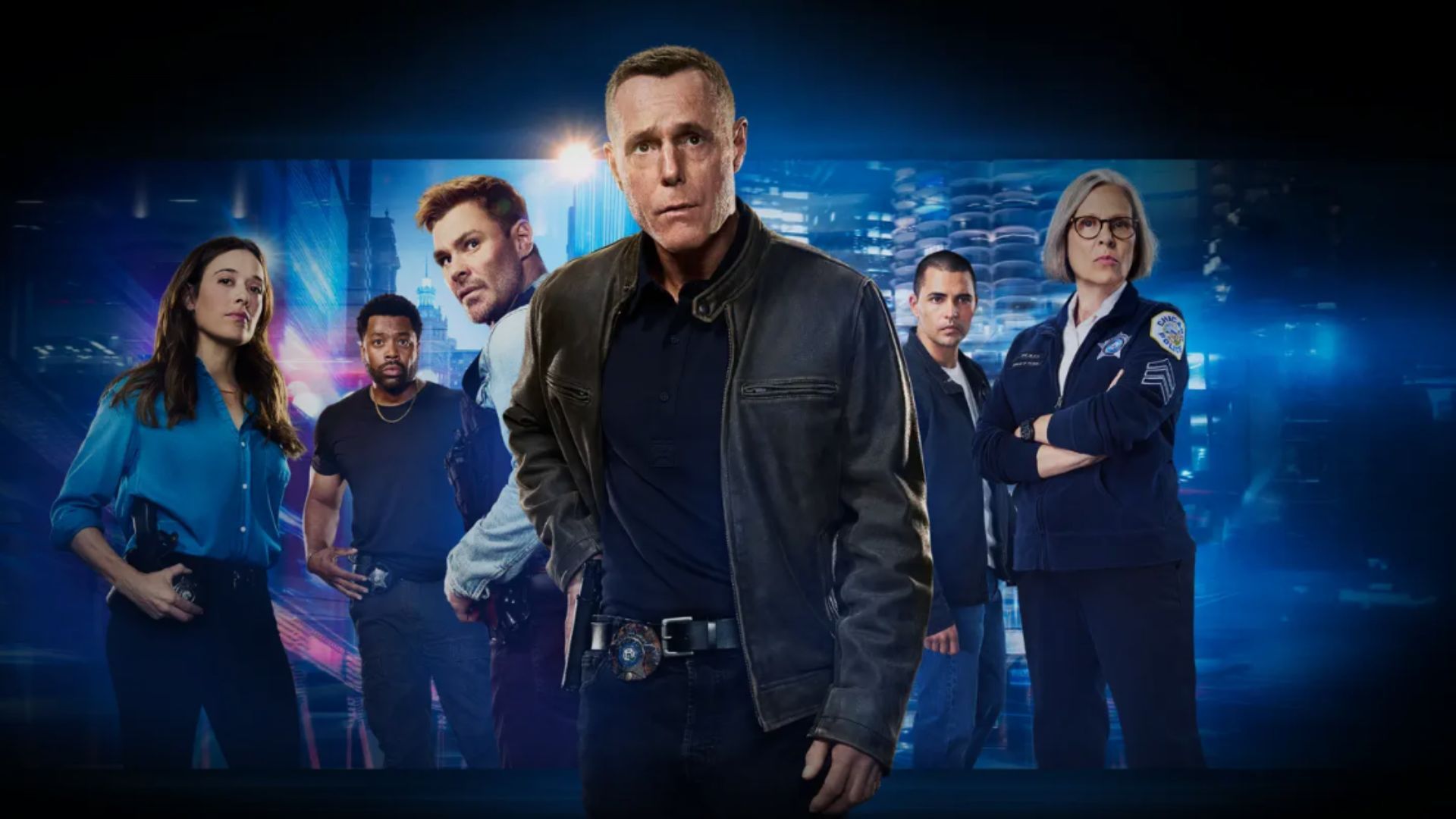
Chicago P.D. features one of television's most complex characters in Hank Voight. The tough detective often bends rules to get results. But many fans may not realize that Voight first appeared on Chicago Fire as a clear antagonist. His debut in the Season 1 episode Professional Courtesy revealed his true nature years before Chicago P.D. premiered.
That episode showed viewers exactly who Voight was from the start. He protected his drunk-driving son, who caused a serious accident. A young boy was paralyzed because of it. Voight used his badge to cover up the crime. He threatened firefighter Matthew Casey when Casey tried to tell the truth. The scene was chilling and unforgettable. It painted Voight as someone willing to do anything for his own interests.
A drunk driving cover-up begins in Chicago P.D.
The Chicago Fire episode starts with Firehouse 51 responding to a car crash. A vehicle dangles from a bridge with a father and son trapped inside. Casey notices the other driver smells like alcohol. Empty liquor bottles fill the car. Casey reports this to the responding officer. The driver should be arrested. But when Casey returns after the rescue, the driver and evidence are gone.
Detective Voight sent his son away and removed the bottles. The paralyzed boy's family later receives a false police report. It blames the victim's father for running a red light. Casey knows the truth and decides to file an accurate report.
Voight shows his manipulation skills in Chicago P.D.
Voight tries multiple approaches to silence Casey. First, he attempts bribery. When that fails, he invites Casey for a drink. Voight plays the sympathy card during their conversation. He describes his sacrifices as a police officer. He promises to get his son help for his drinking problem. Casey doesn't fall for it.
Voight then switches tactics and suggests the alcohol evidence might be questionable. He mentions the harsh conditions of Statesville prison. Every word is a calculated manipulation. Voight wants Casey to doubt what he saw and recant his statement.
The mask comes off in Chicago P.D.
Casey refuses to back down. He points out that the paralyzed boy's entire family now suffers. Medical bills pile up. Both parents miss work. They take out another mortgage just to make ends meet. Their son clings to the false hope of walking again. Voight's expression hardens when he realizes manipulation won't work. His demeanor shifts instantly from sympathetic to threatening.
He makes it clear that this isn't a request but a demand. Voight promises to escalate the situation. His veiled threats become more direct. Only Chief Boden's arrival stops the confrontation. The scene reveals Voight as someone who will use any tool necessary. Lies, manipulation, and threats are all fair game in his playbook.
Chicago P.D. is built on this foundation in Chicago Fire
Chicago P.D. eventually made Voight its lead character. But that Chicago Fire episode established his pattern of behavior. Voight escalates his threats against Casey even further. He ultimately attempts to have Casey hurt or killed. This lands Voight in prison, though only briefly. He serves just six months before his release. The system then promotes him to sergeant of the Intelligence Unit. This reward for bad behavior creates a cycle. Chicago P.D. has followed this pattern throughout its run.
Voight crosses lines but rarely faces lasting consequences. Season 12's finale suggested real accountability might finally arrive. Assistant State's Attorney Nina Chapman indicated charges were coming. But Season 13 shows Voight free and still leading his team. He used blackmail to get the Intelligence Unit reinstated. His methods remain unchanged from his first appearance on Chicago Fire.
 Trending
The storyline of the show never hid who Voight was. Chicago Fire showed us the villain's origin story first.


 Reply
Reply


