


'%20x='0'%20y='0'%20height='100%25'%20width='100%25'%20%0A%20%20%20%20%20%20%20%20%20%20xlink%3Ahref='data:image/jpg;base64,/9j/2wBDAAYEBQYFBAYGBQYHBwYIChAKCgkJChQODwwQFxQYGBcUFhYaHSUfGhsjHBYWICwgIyYnKSopGR8tMC0oMCUoKSj/2wBDAQcHBwoIChMKChMoGhYaKCgoKCgoKCgoKCgoKCgoKCgoKCgoKCgoKCgoKCgoKCgoKCgoKCgoKCgoKCgoKCgoKCj/wAARCAAGAAoDASIAAhEBAxEB/8QAFgABAQEAAAAAAAAAAAAAAAAAAAUH/8QAIBAAAQMEAgMAAAAAAAAAAAAAAQACAwQFEyESMVFh0f/EABUBAQEAAAAAAAAAAAAAAAAAAAEC/8QAGBEBAQADAAAAAAAAAAAAAAAAEQACITH/2gAMAwEAAhEDEQA/AMltklZFboo2YeUTo2EkkgtJOuvKiYK0aEjAPTz8RFOOkle3/9k='%3E%3C/image%3E%3C/svg%3E)

City of Shadows does not end in a hush. It concludes its story by pulling together violence, grief, revenge, and power in one final rush that changes how we see every character.
At its core, the finale of City of Shadows shows how a brutal serial killing case exposes deep police corruption while forcing Milo and Rebeca to face their own limits. The final episode answers who survives, who doesn’t, and why the system itself is partly to blame.
It also makes one thing clear: Justice in City of Shadows is messy, painful, and never clean.
City of Shadows ending explained: How the final case turns personal for Milo and Rebeca
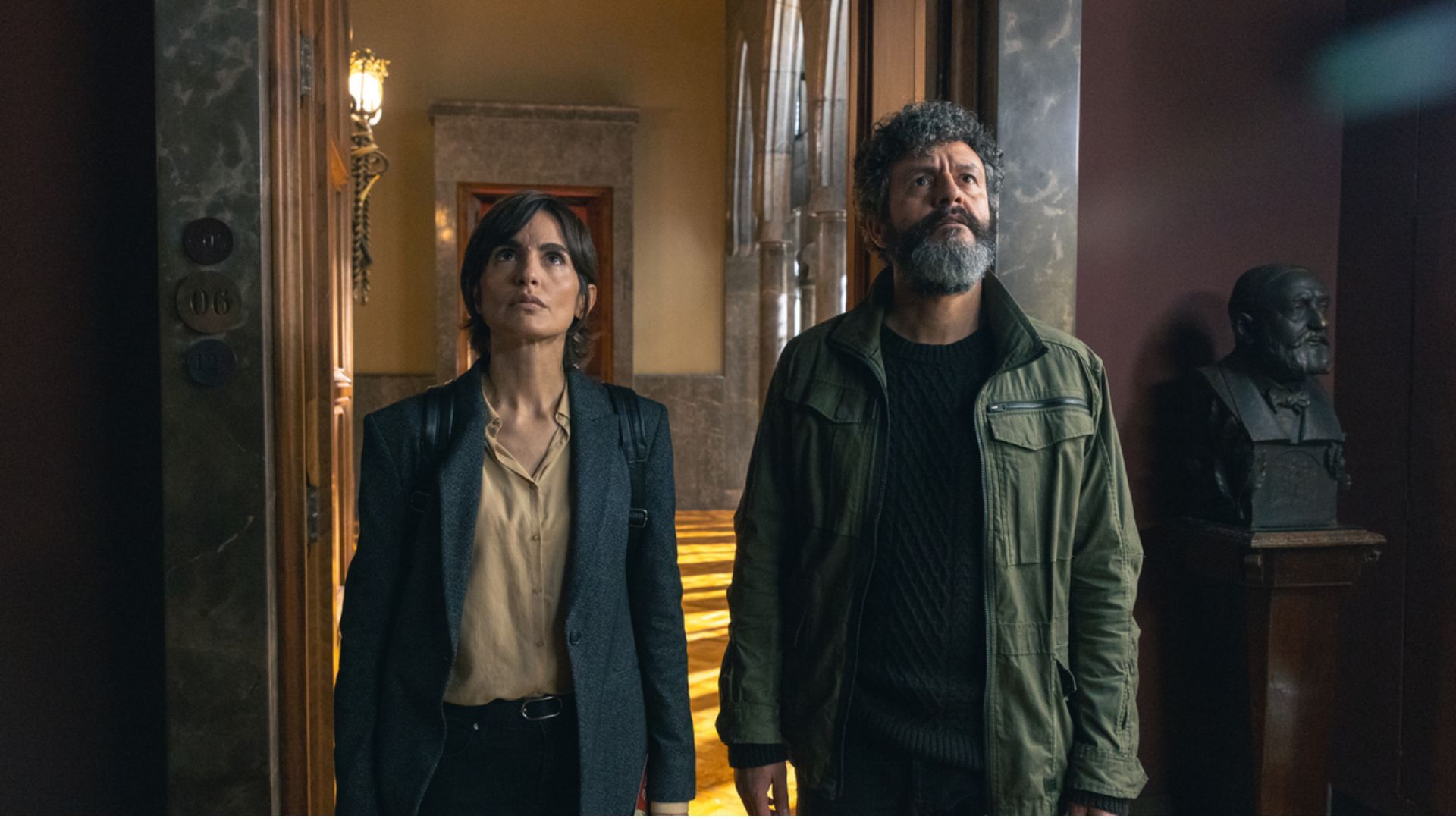
City of Shadows spends most of its runtime feeling like a tense police chase, but the ending shifts the story into something far more personal. Until Judge Susana is taken, the case still feels like work for Milo and Rebeca. Dangerous work, yes, but still something they can approach with distance. That distance completely disappears once Susana is abducted.

Susana is not just another name on a case file. She is the reason Milo even has his badge back. After Marc’s death and Milo’s violent outburst with Jordi, his career was hanging by a thread. Susana stepped in when he was at his lowest. So when City of Shadows moves into its final stretch, Milo is no longer chasing killers only because it is his job. He is chasing them because he feels he owes Susana his life as a cop.
At the same time, Hector and Helena’s crimes escalate fast. Their murders are not random. First comes Pinto, a powerful construction CEO. Then Torrens, who ran a foundation with a clean public image. Then, Mauricio, a celebrity journalist who helped broadcast the murders for attention. Each death pulls more eyes toward the killers. The city watches. The police panic. Pressure builds as the Pope’s visit gets closer.
What makes the City of Shadows finale hit harder is that the police initially treat this as a simple race against time. Stop the killers. Protect the ceremony. Keep the city calm. But the deeper Milo and Rebeca dig, the clearer it becomes that this case is tied to older wounds.
Wounds caused by money, abuse, and silence. By the time Susana vanishes, the investigation is no longer just about stopping violence. It is about undoing the damage that started decades ago.
Hector and Helena’s past explains their brutal choices
To understand the City of Shadows finale properly, you have to look backward before looking forward. Hector and Helena are not born monsters. Their story begins with loss, neglect, and cruelty stacked one on top of the other.

Their mother dies in a car accident. Their father slowly falls apart after that. Drugs become his escape. When authorities clear the slums of Barcelona under Pinto’s orders, the siblings lose the last fragile piece of stability they have. Their father collapses and dies in front of them. That moment leaves them completely alone.
La Ferradura is supposed to protect children like Hector and Helena. Instead, it destroys them. Helena is repeatedly abused by Torrens, a man with money, power, and zero consequences. Hector, already struggling, is punished for his obsession with fire by being locked in a basement without food or water. These are not scars that fade. They shape everything the siblings become.
When they grow up and leave the institution, life does not magically improve. Helena works as a security guard. Hector finds work at the Sagrada Familia. They live quietly until the past catches up again. Their home area is marked for demolition. The same forces that ruined their childhood return under a new name.
This is where City of Shadows makes its point clear. Time does not heal everything when the people who caused the pain are still thriving. Hector and Helena realize that the men who destroyed their lives are still rich, respected, and protected. That realization fuels their actions. Their murders are designed to be loud. Public. Impossible to ignore.
By the time the ending arrives, their violence feels tragic rather than shocking. Not because it is justified, but because it is understandable. City of Shadows never excuses its characters' actions, but it forces the audience to see where they came from.
Fire, monuments, and messages behind the killings
One of the most unsettling parts of the City of Shadows finale is how symbolic Hector and Helena’s crimes are. Nothing they do is accidental. Every location, every method, every image is chosen with care.

The basement scenes echo Hector’s punishment at La Ferradura. Locking victims away without food or water mirrors what was done to him. It also reflects how the poor are slowly suffocated by systems controlled by the wealthy. The fire, which becomes a recurring image, represents more than destruction. It is rage that never cooled down. Rage that grew quietly for years.
Gaudí’s monuments play a key role too. Helena once loved Gaudí’s work. But those designs became tied to her abuse because of a painting in Torrens’ office. What once offered escape became a reminder of pain. By turning these monuments into crime scenes, Hector and Helena force the city to confront what it prefers to admire from a distance.
Their goal is not to destroy capitalism itself. They know that it is impossible. Instead, they aim to plant discomfort. To leave images that cannot be unseen. Every hanging body, every public death is meant to challenge the idea that wealth and power always equal innocence.
As the City of Shadows finale comes closer, it becomes clear that their plan is spiraling. The message is there, but the cost is becoming unbearable. What started as controlled revenge turns into chaos. And chaos does not leave room for survival.
The final plan unravels at the Sagrada Familia
The climax of City of Shadows takes place during the Pope’s visit to the Sagrada Familia, a moment designed to draw the entire world’s attention. Hector’s role in the plan is the most dangerous. He smuggles gasoline into the ceremony, intending to turn the event into a spectacle that exposes the politicians who approved the demolition of his home.

Importantly, City of Shadows makes it clear that the Pope is not the target. Hector’s anger is aimed at ministers and officials who signed papers without caring who would suffer. The religious setting is chosen for visibility, not hatred.
While this unfolds, Helena is meant to destroy Torrens’ office. But trauma does not follow plans. Seeing the Gaudí painting triggers something inside her. Instead of completing the task, she goes to the roof. Her choice is not impulsive. It is final.
At the same time, Susana is left to suffocate in a mausoleum at Montjuic Cemetery, a place tied to Hector and Helena’s family history. It is a cruel echo of everything they endured.
Thanks to the information shared by Milo and Rebeca, Jordi’s team finds Hector. He is shot in the shoulder before he can carry out the full attack. Rather than surrender, Hector sets himself on fire. He is taken to the hospital, but survival is unlikely.
Milo and Rebeca reach Torrens’ office too late to save Helena. She self-immolates and jumps from the building. Yet in her final moments, she gives Milo a hint about Susana’s location. That small act changes everything. Susana is rescued just in time.
The City of Shadows finale is devastating, but it is not empty. In the middle of death, one life is spared.
Corruption inside the police finally exposed
Beyond the killers, the City of Shadows ending explained places heavy focus on corruption within the police force. This is where the title truly earns its meaning.
Bachs leaks confidential information to Mauricio in exchange for money. His reasons are not dramatic. Alimony. Pressure. Fear of losing control. He sacrifices ethics to keep his personal life from falling apart. In doing so, he puts Milo directly in harm’s way.

Bastos is far worse. He actively blocks Milo’s investigation to protect Torrens. His loyalty is not to justice, but to the foundation that built his career. Every delay, every obstacle he creates helps keep abuse hidden. The show makes it clear that Torrens could not have operated for so long without protection like this.
When Jordi uncovers Bachs’ actions, consequences follow quickly. Bachs is suspended. It is a small victory, but an important one. Bastos’ future is less certain. He faces disciplinary action, but the show leaves his punishment unclear.
This ambiguity matters. City of Shadows does not pretend corruption disappears with one arrest or one exposure. It shows how deeply rooted it is. The ending forces viewers to ask uncomfortable questions. How many others were protected? How many victims were ignored?
In the end, City of Shadows makes one thing obvious. The system failed Hector and Helena long before they became killers.
Milo, Rebeca, and what the ending really means
The heart of the City of Shadows finale lies with Milo and Rebeca. After all the chaos, their final moments are quiet, almost fragile.
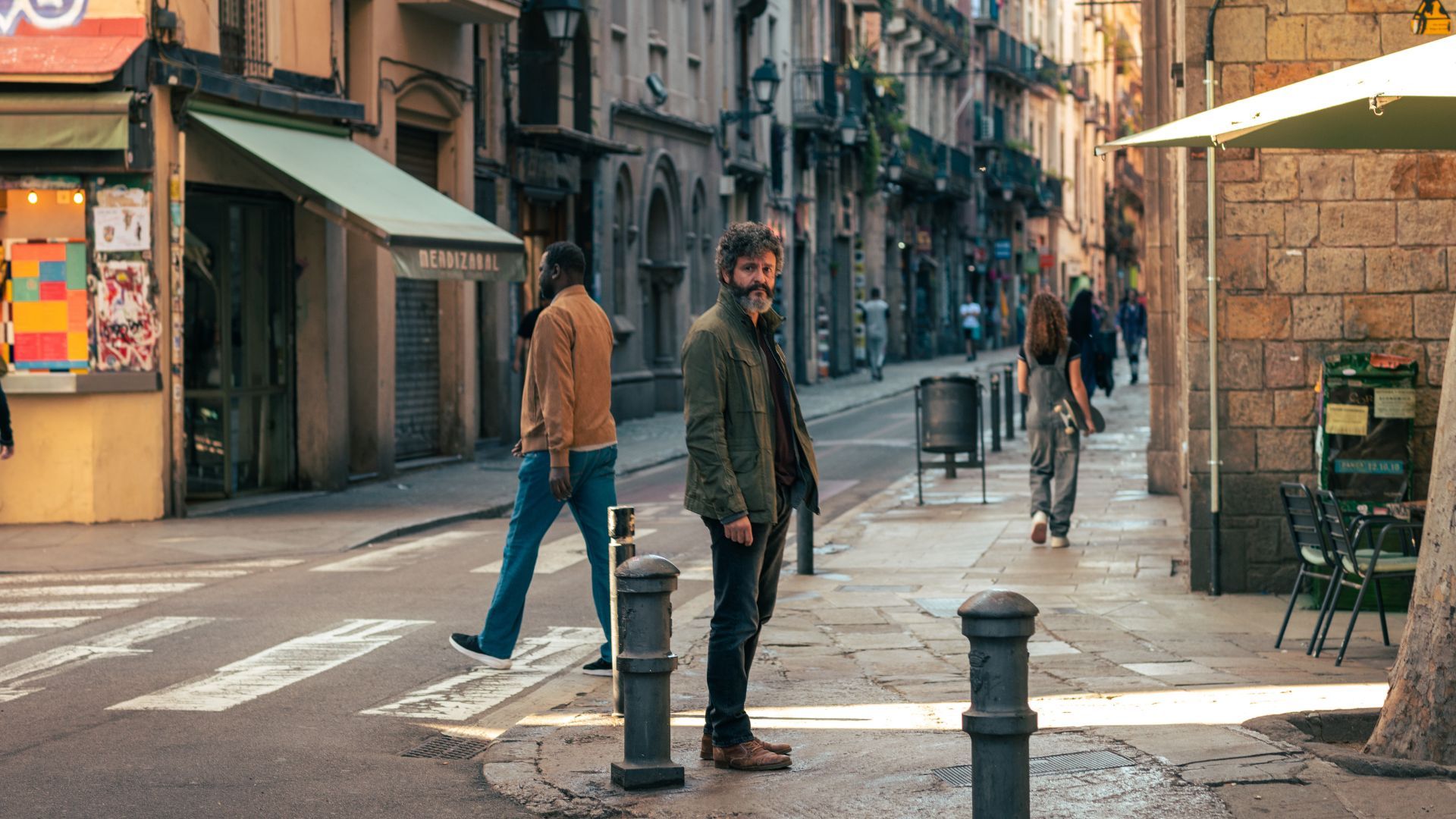
Milo finally confronts the guilt that has haunted him since Marc’s death. Admitting Hugo into a mental institution is not an act of abandonment. It is an act of acceptance. Milo understands that love does not always mean fixing someone yourself. Sometimes it means letting professionals step in.
This decision allows Milo to breathe for the first time in years. It does not erase his pain, but it gives him a path forward. The ending suggests that Milo may continue as a cop, possibly becoming someone who understands mental health with more empathy than most.
Rebeca’s final scenes are deeply moving without being dramatic. She talks about choosing future cases carefully. She stays with Milo in the waiting room. These moments feel heavier knowing the actress is no longer with us. But within the story, Rebeca represents resilience. She has seen loss, illness, and cruelty, yet she continues to show up.
City of Shadows ends without promising happiness. Instead, it offers something more honest: survival, growth, and the possibility of doing better next time.
The City of Shadows finale ties together violence, trauma, and corruption into a closing chapter that refuses easy answers. It shows how power protects itself, how pain spreads across generations, and how small choices can still save lives.
By exposing police corruption and personal guilt side by side, City of Shadows leaves the audience feeling unsettled but thoughtful. It is not an ending about winning. It is an ending about facing the truth, no matter how uncomfortable it is.
 Trending
Stay tuned to Soap Central for more.


 Reply
Reply


