


'%20x='0'%20y='0'%20height='100%25'%20width='100%25'%20%0A%20%20%20%20%20%20%20%20%20%20xlink%3Ahref='data:image/jpg;base64,/9j/2wBDAAYEBQYFBAYGBQYHBwYIChAKCgkJChQODwwQFxQYGBcUFhYaHSUfGhsjHBYWICwgIyYnKSopGR8tMC0oMCUoKSj/2wBDAQcHBwoIChMKChMoGhYaKCgoKCgoKCgoKCgoKCgoKCgoKCgoKCgoKCgoKCgoKCgoKCgoKCgoKCgoKCgoKCgoKCj/wAARCAAGAAoDASIAAhEBAxEB/8QAFgABAQEAAAAAAAAAAAAAAAAAAAQF/8QAIBAAAQMEAgMAAAAAAAAAAAAAAQIEEQADBSEGEjFRcf/EABUBAQEAAAAAAAAAAAAAAAAAAAID/8QAFxEAAwEAAAAAAAAAAAAAAAAAAAECMf/aAAwDAQACEQMRAD8Ajd8hUhs6yBbgqsvrTe2rvtI6yoRHgyZ3vXqtoZ8wJsCftKUJ1lreH//Z'%3E%3C/image%3E%3C/svg%3E)

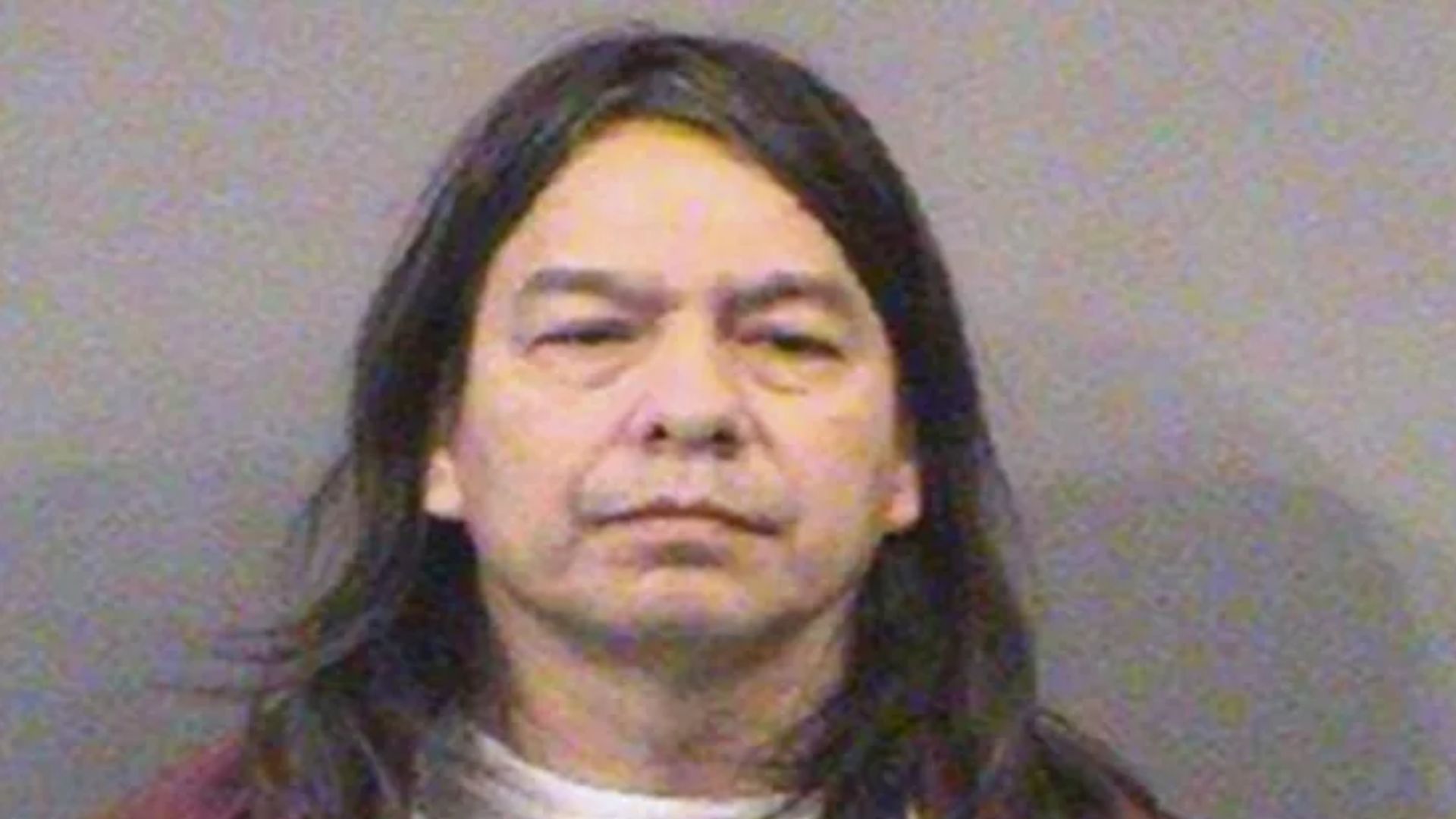
Dateline covered the Daniel Perez murder trial in its episode, 'Angels and Demons.' In April 1999, Perez kidnapped his estranged wife, Anabella Vara, at gunpoint from a restaurant in South Gate, California. Authorities say he held her captive for hours. When she tried to escape, Perez chased and rammed her car. Eventually, she abandoned the vehicle, only to be found and shot by Perez at a gas station. Remarkably, she survived despite being shot in the head.
While awaiting trial on charges including attempted murder and kidnapping, Perez remained free on bail. Then, just months later, something terrible happened. The day after Anabella’s father, Carlos Vara, testified against Perez, the defendant allegedly broke into the Vara home in Fontana and shot Carlos dead. This murder happened in front of the family.
After the killing, Perez fled. He left behind a horrifying message: According to Vara, he once wrote that. Later, according to Dateline, he reportedly called again, threatening that she would be next.
Dateline: Daniel Perez murder trial
Early Legal Actions: Conviction in absentia
Because Perez fled, a California jury tried him in absentia for the attempted murder of his ex-wife. He was convicted and sentenced to 33 years to life in prison. Meanwhile, prosecutors in San Bernardino County prepared murder charges for the killing of Carlos Vara, including special-circumstance allegations for killing a key witness. Those charges could mean life in prison without parole.
Dateline reported that Perez remained on the run. For years, he slipped under the radar. Authorities tracked leads, but he stayed out of reach, hiding somewhere in Mexico.
Six years on the run: Mexico as a hideout
Perez reportedly spent years moving around Mexico. At one point, he worked as a timeshare salesman, according to U.S. Marshals. Dateline's episode highlighted a broader issue: before 2005, Mexico often denied extradition for suspects facing life sentences or the death penalty. That meant many fugitives avoided U.S. justice simply by crossing the border.
Still, the case never faded from view. Investigators and prosecutors kept pressure. One tool: A website created by prosecutors to publicize the case and gather tips. That website eventually helped lead to Perez’s arrest.
Arrest in Mexico: January 2006
On January 23, 2006, officials captured Perez in Mazatlán, Mexico. At the time, he was reportedly selling timeshares again. The arrest came thanks to cooperation between Mexican authorities and U.S. law enforcement, a cooperation made possible after the Mexican Supreme Court overturned its ban on extraditing fugitives facing life sentences. Perez became the first major case under the new rules.
At the moment of arrest, Perez did not resist. Officials found him with a new wife and child, living quietly under an assumed normal life.
Extradition and return: March 2007
After roughly a year of legal wrangling in Mexico, Perez lost his attempts to block extradition. As per the Dateline. on March 30, 2007, authorities returned him to Southern California. Once back, he was held in custody, facing the murder charge for Carlos Vara’s killing in San Bernardino County.
Prosecutors reaffirmed that they planned to build their case using evidence of Perez’s threats against his ex-wife. The communications he made in 2004 helped show motive and intent.
Why did this case stand out?
This case became a test, literally, of changing extradition policies between the U.S. and Mexico. Dateline noted that Perez was among the first major fugitives handed over after the Mexican court changes. For survivors like Anabella Vara and her family, Perez’s return meant a chance at closure.
For law enforcement, it showed that long-running cold cases can still end, even after a decade on the run. The case also spotlighted how dangerous it can be when a defendant stays free on bail; witness tampering, threats, and murder. It underlined the stakes involved in violent crime trials.
Closing thoughts
 Trending
Looking back, the Dateline's story of Daniel Perez runs like a chilling chronicle of crime, escape, and eventual capture. The 1999 crimes, kidnapping, shooting, and murder of a witness, still shock when you list them. The long hunt, the years in Mexico, the final arrest, and extradition; they show real work behind the scenes by law enforcement.
Some cases spill into the headlines quickly. Others simmer, often waiting years for the breakthrough. This one, because of the victims, the danger, and the long delay, reminds us that justice sometimes moves slowly. But it can still move. If you like, I can also build a full timeline chart of every major date and event in the Perez case. That might help show how things unfolded more clearly.


 Reply
Reply


