


'%20x='0'%20y='0'%20height='100%25'%20width='100%25'%20%0A%20%20%20%20%20%20%20%20%20%20xlink%3Ahref='data:image/jpg;base64,/9j/2wBDAAYEBQYFBAYGBQYHBwYIChAKCgkJChQODwwQFxQYGBcUFhYaHSUfGhsjHBYWICwgIyYnKSopGR8tMC0oMCUoKSj/2wBDAQcHBwoIChMKChMoGhYaKCgoKCgoKCgoKCgoKCgoKCgoKCgoKCgoKCgoKCgoKCgoKCgoKCgoKCgoKCgoKCgoKCj/wAARCAAGAAoDASIAAhEBAxEB/8QAFgABAQEAAAAAAAAAAAAAAAAAAAUH/8QAIBAAAgEEAQUAAAAAAAAAAAAAAQIDAAQFEQYUIUFx0f/EABUBAQEAAAAAAAAAAAAAAAAAAAAB/8QAGBEAAwEBAAAAAAAAAAAAAAAAAAEhAhH/2gAMAwEAAhEDEQA/AMRblMN1jo7a8xFi0scBi6gKxdjvYbsw0fHqokmSZnYhUGyToRj7SlXMiDr6z//Z'%3E%3C/image%3E%3C/svg%3E)

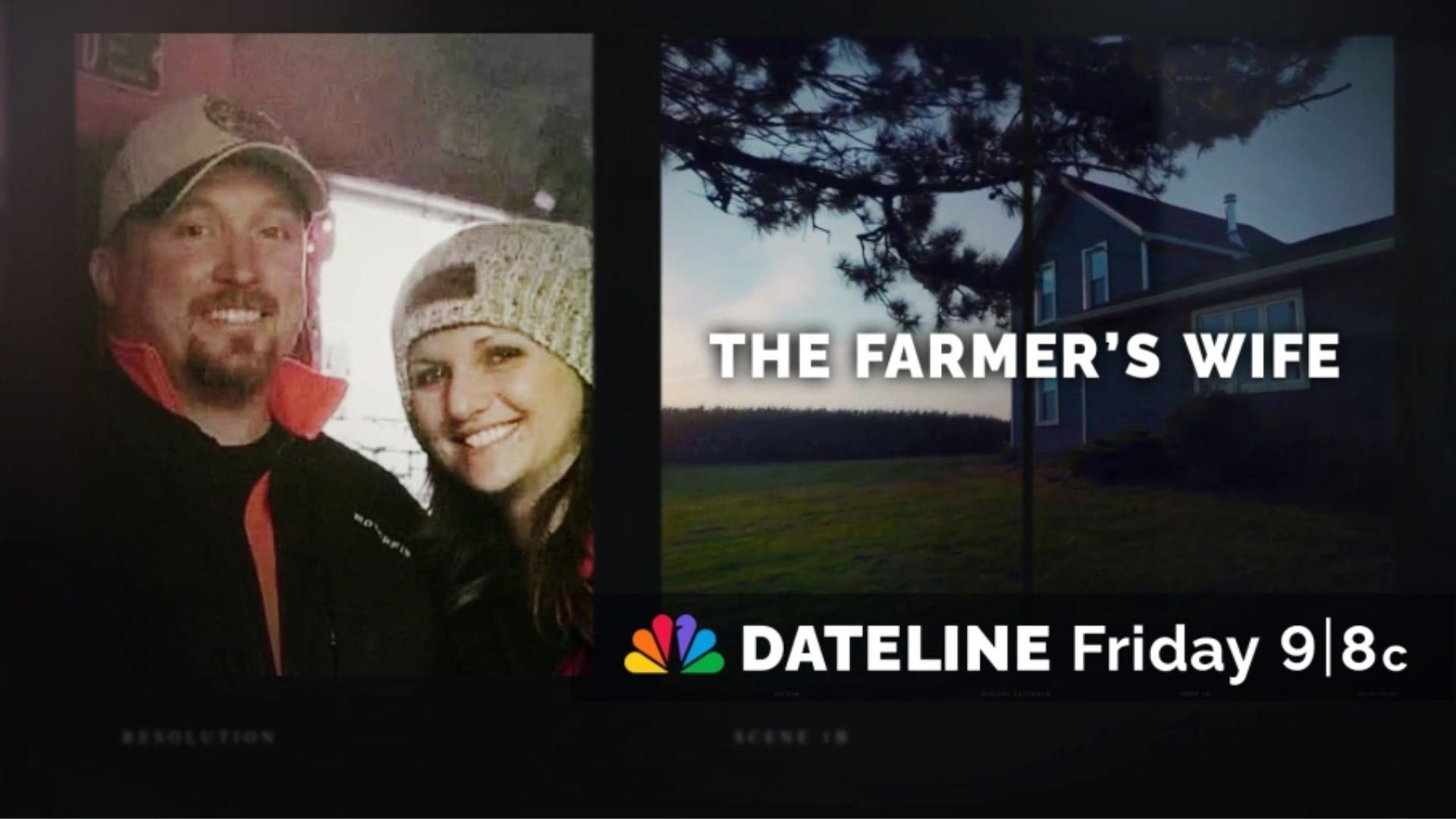
Dateline opens in Traer, Iowa, a farming town where daily life followed a steady pace. Families worked long days, doors stayed unlocked, and trust shaped the community. That sense of safety ended on June 18, 2021. Police found Ryan Cooper shot dead inside his home, with his wife, Karina, reportedly sitting on top of the body. His children were present in the house but unharmed. The crime felt personal, and the lack of forced entry raised concern across the county.
Dateline frames this case as more than a single act of violence. It shows how close relationships, money, and secrecy can collide inside ordinary homes. Investigators faced pressure to act fast, yet they also needed precision. The town wanted answers, and the evidence trail demanded patience. That balance shaped every step that followed.
Dateline: The Farmer's Wife
Early findings and first focus
Dateline outlined how police focused on the victim’s inner circle within hours. Officers interviewed Karina Cooper, who reported fear and confusion. Her story shifted during repeated interviews, and timelines did not align. Phone data showed calls and messages that continued late into the night. With no signs of a break-in, detectives narrowed their scope and followed the digital record.
Why did investigators stay focused on phone data so early? They knew routine patterns rarely changed without reason. That choice led them forward.
The affair and the motive
Dateline reported that Karina Cooper had a hidden relationship with Huston Danker, a local man she met through her salon work. Messages between them showed emotional closeness and planning. Prosecutors later highlighted discussions about money and life changes. The victim held life insurance policies valued at more than $500,000. That fact gave context to the state’s theory and shaped the charge.
Arrests and formal charges
Dateline tracked the arrests as evidence grew stronger, though it took nearly three years. Police detained Huston Danker after cell tower records placed him near the home during the shooting. Forensic tests supported that data. Karina Cooper was arrested soon after. Prosecutors charged both with first-degree murder, arguing they acted together. Ryan Cooper became the center of a case built on coordination rather than impulse.
Inside the trials
Dateline tracked the trial as it unfolded in two clear phases. Karina Cooper went before a jury first. Jurors examined phone data, witness accounts, and expert testimony. Prosecutors laid out a plan that developed over several weeks, while the defense said she did not fire the gun.
The jury dismissed that argument and delivered a guilty verdict in July 2025. After her conviction, Huston Danker pleaded guilty just days before his own trial was due to start. He admitted his involvement in the killing, which confirmed the state’s position that the crime was planned and carried out together.
Sentencing and civil action
Dateline confirmed the sentences: Both Karina Cooper and Huston Danker received life in prison without parole. Family members spoke about loss and responsibility during emotional hearings.
Civil courts also addressed financial issues tied to the death. Under Iowa’s "slayer statute," a person convicted of murder cannot profit from the crime. Insurance funds linked to Ryan Cooper were placed into a trust for the children.
 Trending
Lasting impact
Dateline returns to this case because it shows how betrayal can grow within everyday family life. Ryan Cooper was seen as a parent and a working farmer, not a public figure. His killing changed a close town and altered the lives of three children forever. The case stands as proof that steady police work and clear records can expose the truth, even where life once seemed calm.


 Reply
Reply


