


'%20x='0'%20y='0'%20height='100%25'%20width='100%25'%20%0A%20%20%20%20%20%20%20%20%20%20xlink%3Ahref='data:image/jpg;base64,/9j/2wBDAAYEBQYFBAYGBQYHBwYIChAKCgkJChQODwwQFxQYGBcUFhYaHSUfGhsjHBYWICwgIyYnKSopGR8tMC0oMCUoKSj/2wBDAQcHBwoIChMKChMoGhYaKCgoKCgoKCgoKCgoKCgoKCgoKCgoKCgoKCgoKCgoKCgoKCgoKCgoKCgoKCgoKCgoKCj/wAARCAAGAAoDASIAAhEBAxEB/8QAFgABAQEAAAAAAAAAAAAAAAAAAAID/8QAIBAAAQQCAQUAAAAAAAAAAAAAAQACAwQFERMGMlFicf/EABUBAQEAAAAAAAAAAAAAAAAAAAQF/8QAGhEAAgIDAAAAAAAAAAAAAAAAAAECAxEhIv/aAAwDAQACEQMRAD8Az6nfdkqYgY2ZtaatHCyR4JHLyN2NjXqprZfPSVonm7DtzAe0+PqIhy5rTRcgsvZ//9k='%3E%3C/image%3E%3C/svg%3E)

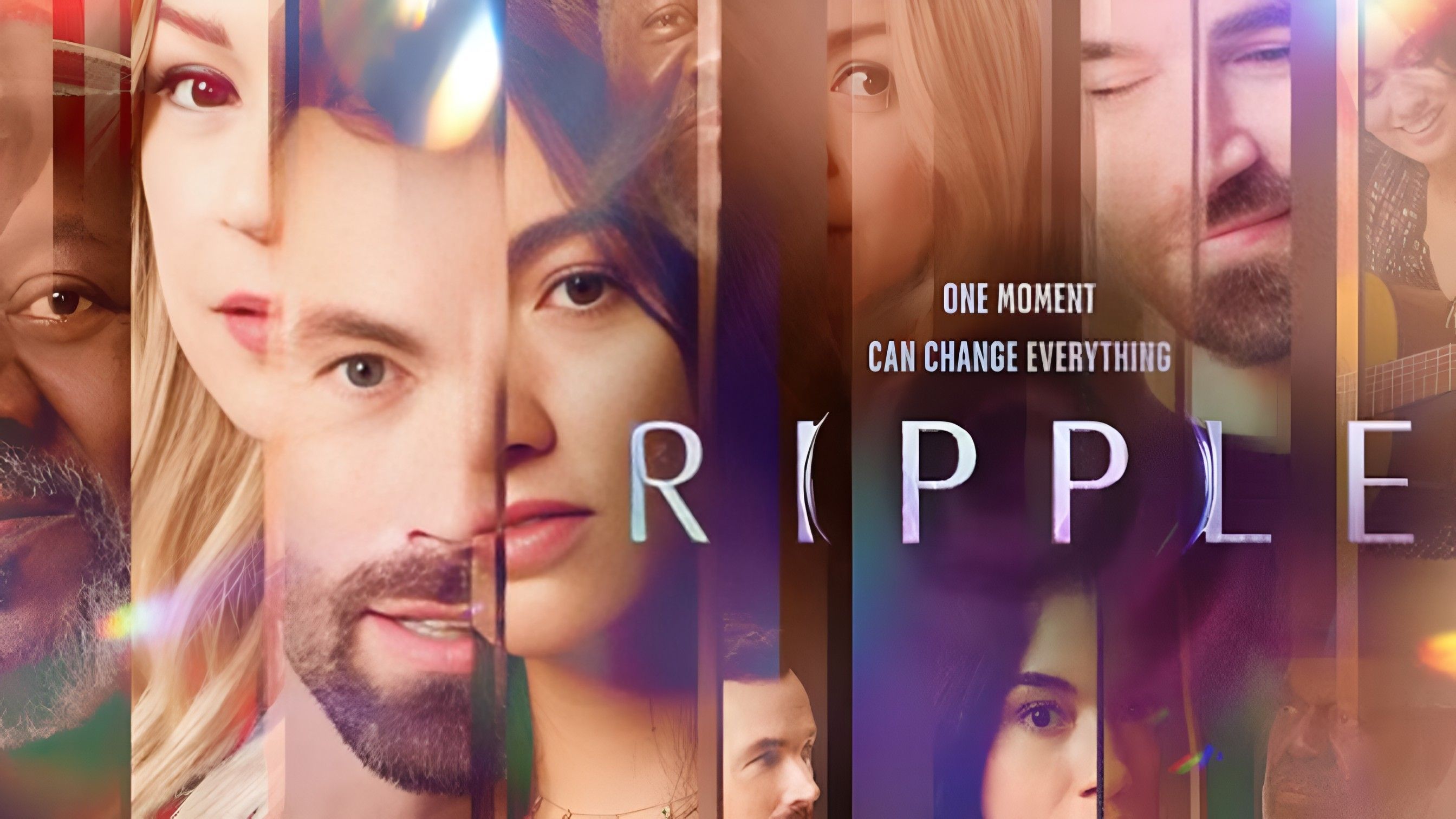
What a show Ripple would be if it were like this! The moment you started watching it, the tension, secrets, and plots might have you hooked, either physically or mentally. And if you have questions about Nate, let's not waste time and get it settled right away: in this made-up Ripple, Nate will not die.
His tale is full of escapes, ethical questions, and extreme situations, giving rise to uncertainty among the viewers about the upcoming twists and turns. The source of excitement in Ripple is the uncertainty. The fate of Nate or the people close to him can be drastically changed by every little step he takes.
The television series shows that, even in an imaginary scenario, suspense is created through slow reveals, ambiguity, and masterfully created tension. The plot allows Nate to survive but his perilous living conditions continue to hold the attention of the readers and make them place their hopes on his every decision.
The cast of Ripple includes Nate at the very center
In our alternate Ripple, Nate is the pivot point around which several plots rotate. His deeds produce ripple effects, pun intended, that affect the other characters, the course of the plot, and the importance of every scene. This is pure suspense: the audience is kept unsure about the outcomes, yet they care a lot about the character's survival.
The physical danger is not the only source of tension. Nate's ethical issues, the darkness of his past, and his inner conflicts add more to the situation. The one who witnesses, be it a reader or a viewer, will be in doubt: will his decisions save him, or will they lead him astray?
Ripple demonstrates the techniques described in suspense literature, in which the creation of tension involves the triangle of uncertainty, stakes, and character vulnerability.
High-stakes moments that keep you guessing
Nate, the protagonist of the story, goes through life-threatening events and moral dilemmas. The entire narrative is about him grappling with different situations and eventually taking the right path. Ripple has managed to build up the tension to the highest possible levels with every episode.
By skillfully postponing the crises' resolutions, he is able to keep the viewers in suspense, wondering what might be the next occurrence. The incidents in which Nate barely escapes death have one more objective apart from testing his character: they also serve to hold the readers’ interest in his trip.
This is in line with the very basic principle of suspense writing, which points out that uncertainty and delay create emotional involvement. Even without a real show, drawing on Nate’s dilemmas portrays how a suspenseful narrative operates.
The imagined season finale
In a hypothetical last episode of Ripple, Nate makes it, but the story leaves unanswered key questions. His decisions might affect things through a different perspective, time-wise, partners can come apart, and only one party remains aware of the truth.
It is this vagueness that works like a double-edged sword in the keeping of suspense: the viewers are aware of the character's survival, but they are in the dark as to how the unraveling of the journey will be next.
This is similar to what the English Plus Podcast asserts about storytelling techniques: suspense comes not only from life-or-death situations but also from the audience's being unsure of the emotional and moral outcomes of the character. Keeping Nate in danger with no end would mean Ripple would keep viewers, or readers, hooked, eager to know what would happen next.
How Ripple builds suspense and tension
Ripple, as shown here, uses many of the classical narrative devices:
Information delay: Nate's whole situation and the repercussions of his deed are gradually disclosed.
Moral and emotional stakes: He is a sympathetic character not only because of the death risk but also because his decisions influence other people's lives.
Moments of near death: Episodes in which Nate is in peril generate tension and keep the viewer interested.
Ambiguity: Scenarios that are open-ended create uncertainty about the relationships, the hidden things, and the coming challenges.
These tactics are very much in line with StoryFlint's tips on suspense, NumberAnalytics' recommendations on elevating stakes and timing, and English Plus Podcast's focus on tension through conflict and uncertainty.
The author, even with a fictional narrative, still employs these methods to show how the manipulation of suspense can keep an audience invested.
Hypothetical fan reactions
Had Ripple been real, Nate's survival would have ignited online disputes. The fans would scrutinize down to the last detail each decision made, speculate about possible outcomes, and get ready for the next twists. Even in a fictional situation, this reflects the impact of actual serialized dramas where audience engagement relies on tension, uncertainty, and character weakness.
The imaginary fan reactions reveal yet another aspect of suspense, namely the interaction between the narrative and the audience's guessing. By constantly putting Nate's life at risk but letting him survive, Ripple would generate debates, hypotheses, and repeat meetings, which are among the characteristics of good suspenseful storytelling.
Looking ahead: Nate’s potential future
Winning Season 1 thus would mean never-ending hard times, moral issues, and tense situations for Nate. The parts of his story that are not exposed would be enough to keep the audience hooked, since they would be so eager to know what really happened.
This is an important factor in the suspense genre: keeping the audience unaware of the ending, but at the same time being able to attract them. The case is similar to Nate, who is still alive but trapped in a very unpredictable situation; Ripple is showing how the serial storytelling method can keep the readers/viewers engaged for a long time.
This creative analysis can be summed up as follows: in our fictional Ripple, Nate is alive. He does not die, but his existence is that of a person who is always under pressure, facing moral choices and living thrilling moments of being caught, yet managing to keep the audience captivated.
 Trending
The storyline makes use of suspense by means of a slow information distribution, extremely high risks, and vagueness, corresponding perfectly to the most recommended methods for dramatic tension. Even if Ripple is nothing more than a fiction, this exercise helps us to recognize the techniques that make serial dramas so exciting to the audience.
It shows how suspense, by keeping the character in peril and at the same time raising questions, keeps the readers and viewers hooked. The road of Nate, uncertain but alive, is a prime case of the right use of tension in storytelling.


 Reply
Reply


