


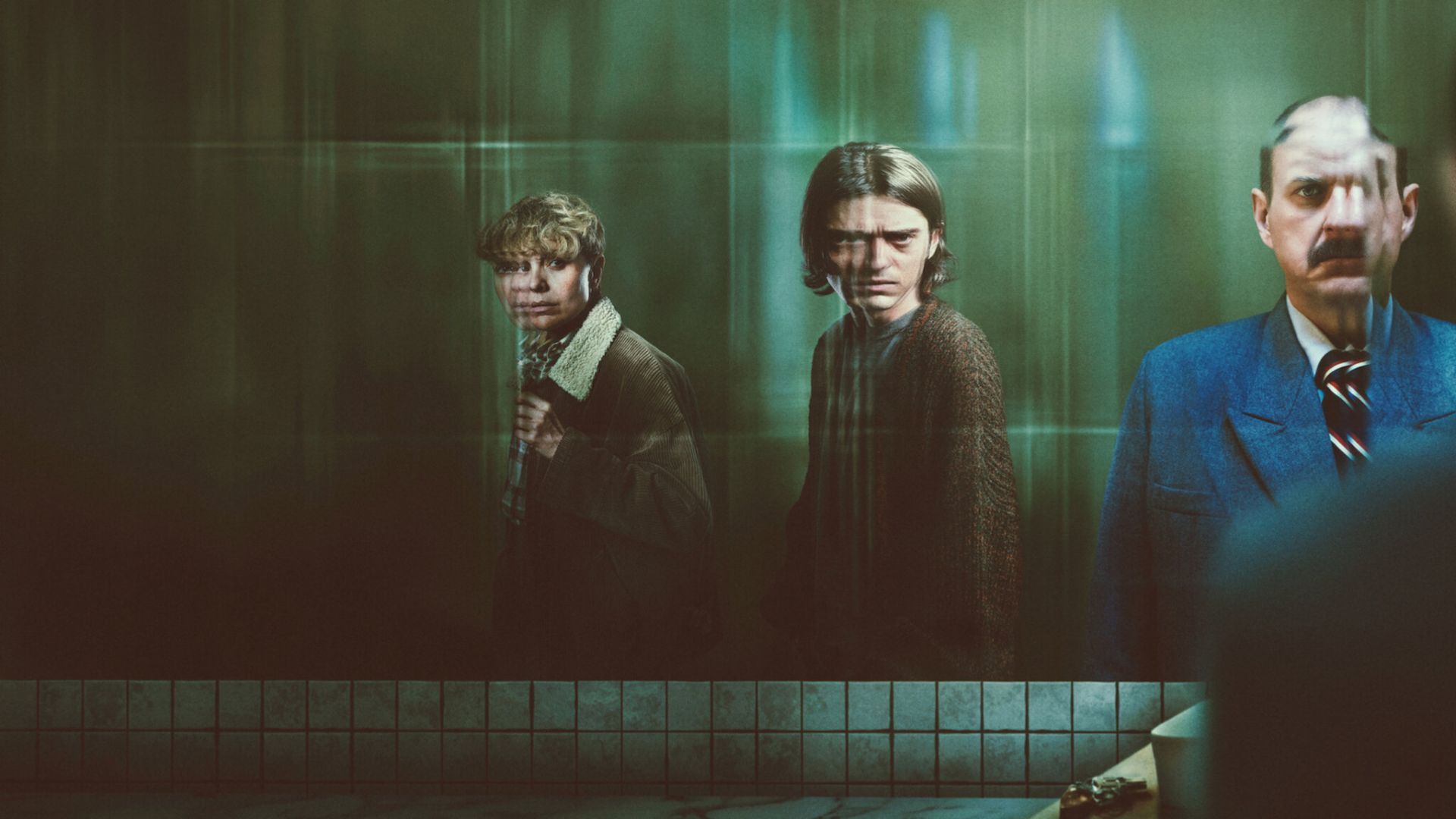
'%20x='0'%20y='0'%20height='100%25'%20width='100%25'%20%0A%20%20%20%20%20%20%20%20%20%20xlink%3Ahref='data:image/jpg;base64,/9j/2wBDAAYEBQYFBAYGBQYHBwYIChAKCgkJChQODwwQFxQYGBcUFhYaHSUfGhsjHBYWICwgIyYnKSopGR8tMC0oMCUoKSj/2wBDAQcHBwoIChMKChMoGhYaKCgoKCgoKCgoKCgoKCgoKCgoKCgoKCgoKCgoKCgoKCgoKCgoKCgoKCgoKCgoKCgoKCj/wAARCAAGAAoDASIAAhEBAxEB/8QAFgABAQEAAAAAAAAAAAAAAAAAAAIH/8QAHhAAAgMAAQUAAAAAAAAAAAAAAQIAAwQGERIxUdH/xAAVAQEBAAAAAAAAAAAAAAAAAAACA//EABgRAQADAQAAAAAAAAAAAAAAAAEAAhMh/9oADAMBAAIRAxEAPwDKeP7tme4DI1St56sD6l2cq1tY5ZKySSSexfkRInCPOrZn/9k='%3E%3C/image%3E%3C/svg%3E)

Fugue State 1986 was released on Netflix on December 4, 2025.
It is a Colombian limited series. Its original Spanish title is Estado de fuga 1986. All seven episodes were released at the same time. The show is set in Bogotá in the 1980s. This was during the late Cold War period. The story follows a lonely army veteran. It also follows a young college student who studies literature. The two form a close bond. Over time, that bond turns dark and dangerous.
Netflix calls it a thriller. They describe it as a story about a veteran who pulls a student into a dangerous friendship. The show builds toward a deadly event in 1980s Bogotá. It is inspired by real events.
On the surface, Fugue State 1986 feels like a crime thriller. It focuses on obsession and manipulation. It also shows how words and ideas can influence people. But the story is based on a real tragedy in Colombia.
The show is inspired by a real tragedy. It is based on the Pozzetto massacre. This happened on December 4, 1986. The killer was a war veteran named Campo Elías Delgado. He killed 29 people in one day. Among the victims were his mother, a student, the student’s mother, neighbors, and people in a restaurant.
Fugue State 1986 does not copy the real crime exactly. It uses made-up characters instead. The story focuses on a teacher and a student. The show explores loneliness, trauma, beliefs, and identity. It shows how these things can lead to terrible violence.
How Fugue State 1986 turns a real massacre into a psychological thriller
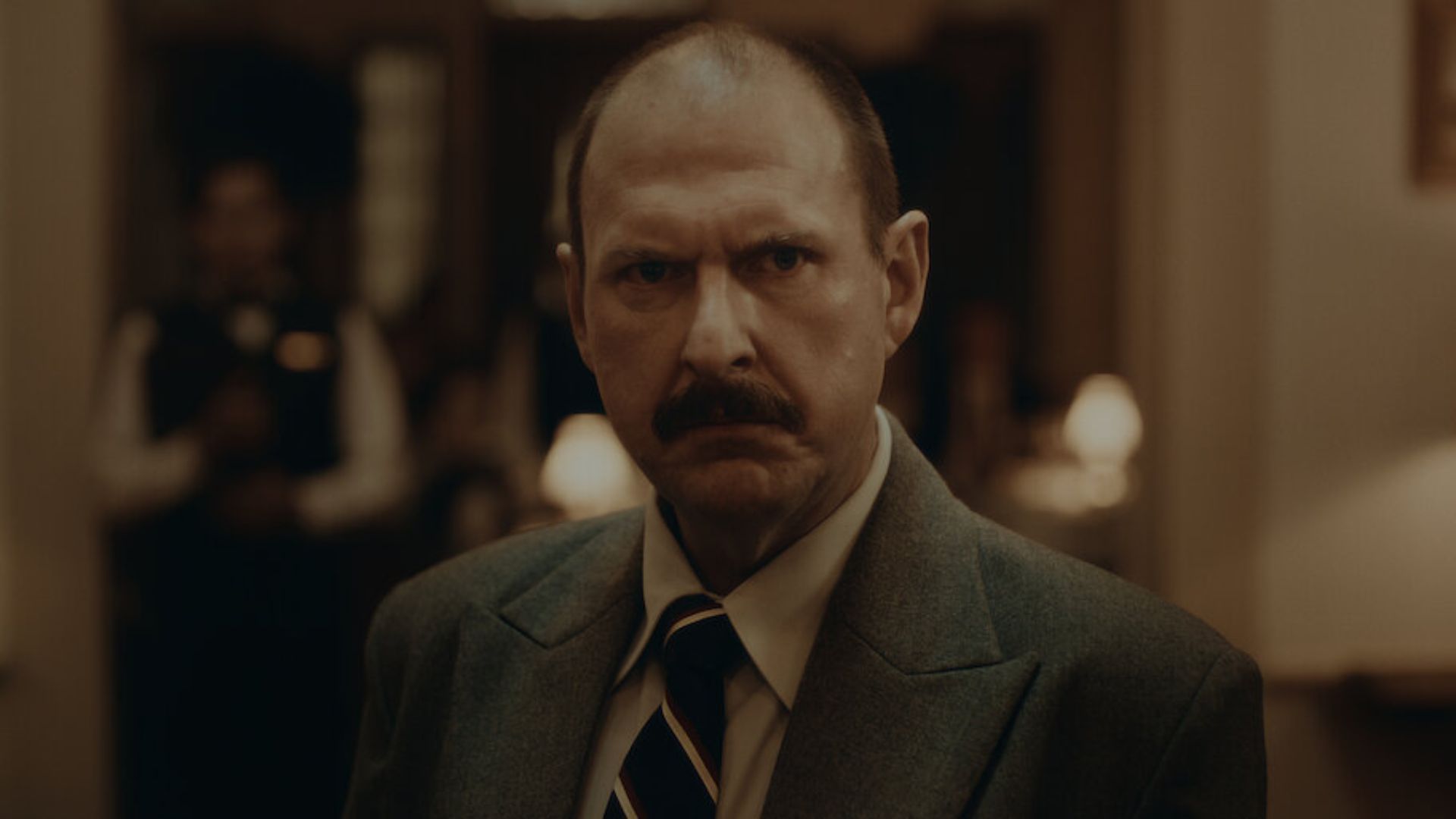
The core of Fugue State 1986 lies in the relationship between two characters. One character is Jeremías Salgado. He is an introverted and elderly army veteran. He is heavily preoccupied with reading and huge philosophical questions. The second character is Camilo León. He is a literature student who is both young and intelligent. He is attracted to Jeremías due to his powerful character and assurance. He thinks that Jeremías is a man of great knowledge.
Their friendship begins in classrooms and bookshops. They bond over novels and deep conversations. They talk about justice, violence, and how the world works. Slowly, the friendship changes. It turns dark and dangerous. It is no longer just about ideas and books. It becomes tied to violent thoughts and extreme beliefs.
In real life, Campo Elías Delgado was a former soldier. He had fought in the Vietnam War. Later, he worked as an English teacher in Bogotá. Reports say he lived a very lonely life. He carried deep anger and resentment. He also struggled with serious mental health problems. These included signs of severe depression and possible dissociation.
On December 4, 1986, he began killing people across the city. The violence ended at the Pozzetto restaurant. There, he carried out a mass shooting, killing dozens of people. Delgado also died that day. The exact details of how he died remain unclear.
Many official records from the case later disappeared. Other files remain locked and unavailable. Because of this, many parts of the story are still unknown. Over the years, rumors, books, and urban legends have filled in the gaps.
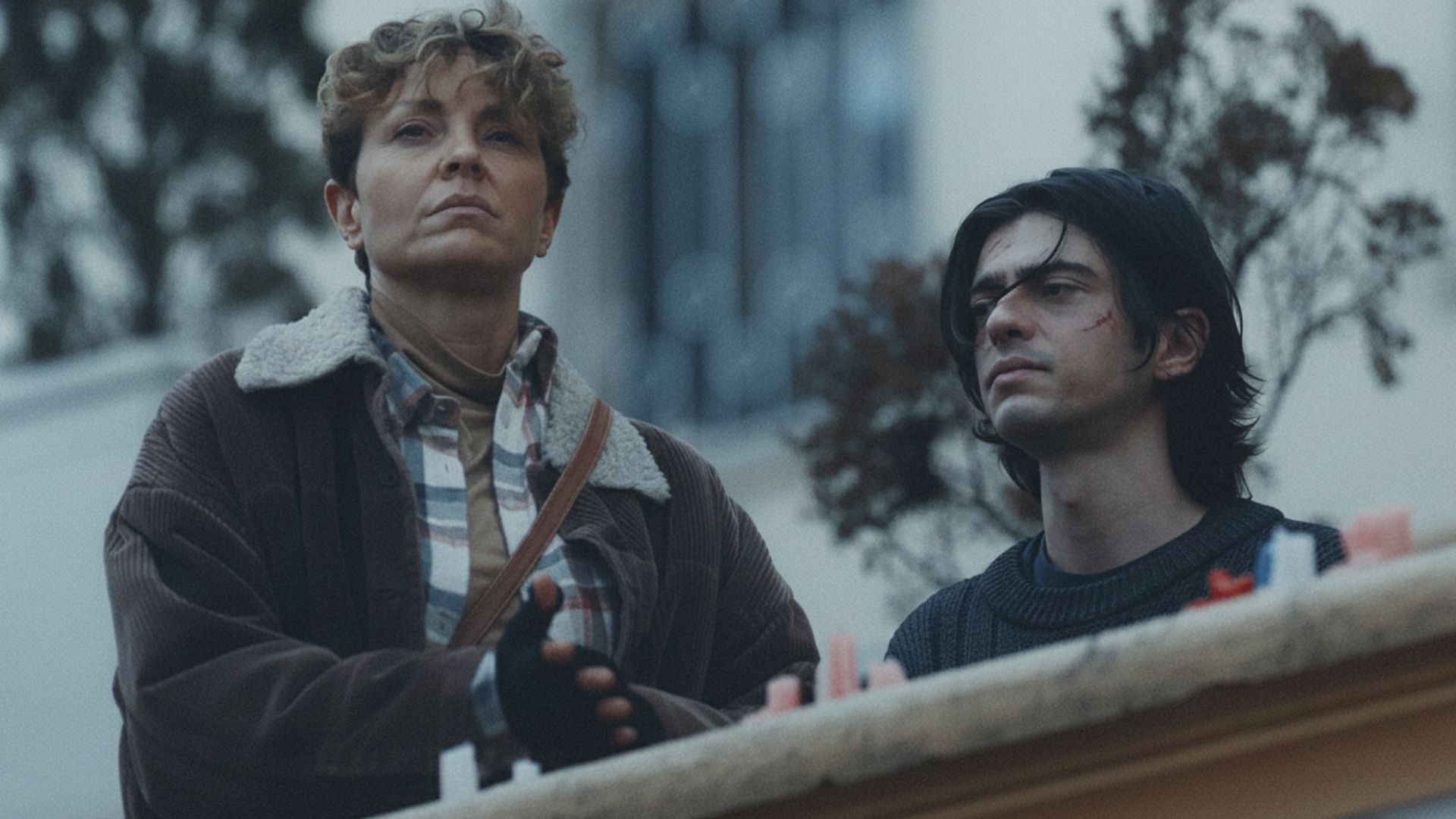
Fugue State 1986 uses the unknown parts of the real story. It does not show Campo Elías Delgado directly. Instead, it creates a new character named Jeremías. Jeremías is inspired by Delgado. But he is not an exact copy of the real man. The writers imagine what a man like him might have been reading. They imagine what he might have been thinking and saying before the tragedy.
The story also follows a young student named Camilo. The series poses the question of the fate of the youth when a dangerous influence seduces him. Netflix characterizes the series as centering on a veteran who has an obsession with the magical quality of words. Moreover, it tells about a novelist who turns out to be so immersed in the adventures of his imagination that he is no longer able to tell them apart from reality.
The title Fugue State 1986 comes from psychology. A fugue state is when a person loses their sense of identity. They may wander away. They may forget who they were. They may even create a new version of themselves.
The show uses the word “fugue” to mean mental escape. It also means a broken sense of self. As Jeremías pulls Camilo into his way of thinking, things change. He uses books, writings, and late-night talks. Slowly, Camilo begins to lose his sense of right and wrong.
The story moves back and forth in time. It shows the aftermath of the massacre. It also shows the months before it happened. Little by little, the show reveals how their friendship turned into the cause of a tragedy.
Fugue State 1986 stays close to real history. It mixes made-up scenes with true details. The final attack happens in a restaurant. It is based on the real Pozzetto restaurant in Bogotá. That is where most victims were killed in real life.
Some lines in the show come from real writings. One chilling line is about,
“I am that rain. A real rain will clean the streets of scum.”
This line appears in the show’s promotion.
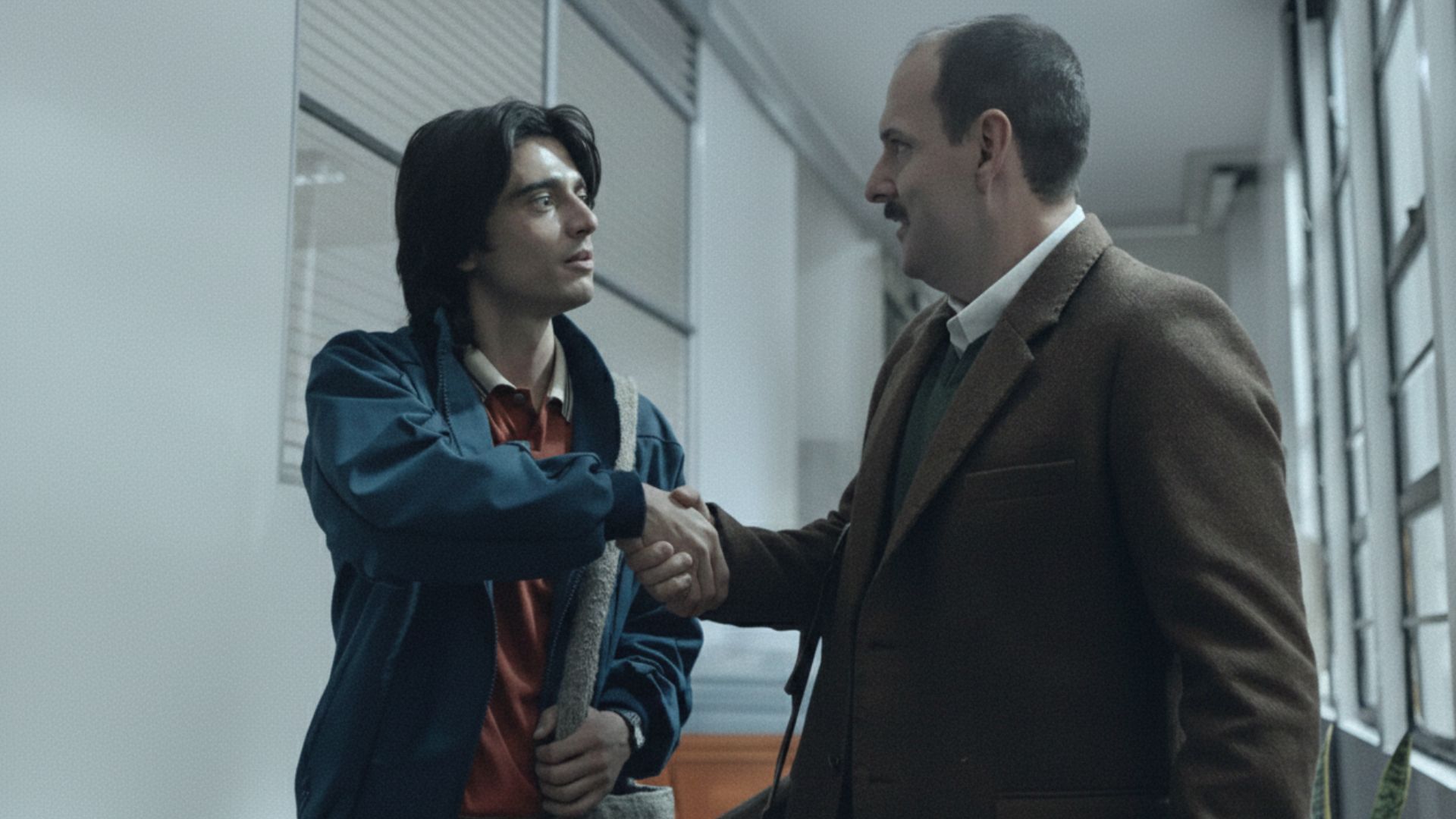
The visuals also copy real life. The clothes, cars, and streets match the 1980s. The city looks just like old Bogotá. The camera often shows Jeremías alone. He stands in doorways, buses, and dark rooms. This shows how cut off he feels from the world.
 Trending
The directors focus on feelings, not gore. They care more about what is inside the characters’ minds. They avoid showing too much graphic violence. The show also asks big questions. In real life, the killer acted alone. But the show asks if dangerous ideas can spread. It shows how one person can influence another.
By adding Camilo to the story, Fugue State 1986 studies influence. It does not excuse the killer. It asks how silence, praise, and harmful ideas can also cause damage.


 Reply
Reply


