


'%20x='0'%20y='0'%20height='100%25'%20width='100%25'%20%0A%20%20%20%20%20%20%20%20%20%20xlink%3Ahref='data:image/jpg;base64,/9j/2wBDAAYEBQYFBAYGBQYHBwYIChAKCgkJChQODwwQFxQYGBcUFhYaHSUfGhsjHBYWICwgIyYnKSopGR8tMC0oMCUoKSj/2wBDAQcHBwoIChMKChMoGhYaKCgoKCgoKCgoKCgoKCgoKCgoKCgoKCgoKCgoKCgoKCgoKCgoKCgoKCgoKCgoKCgoKCj/wAARCAAGAAoDASIAAhEBAxEB/8QAFgABAQEAAAAAAAAAAAAAAAAAAAQH/8QAHhAAAQQCAwEAAAAAAAAAAAAABAABAgMREgUhUUH/xAAUAQEAAAAAAAAAAAAAAAAAAAAA/8QAFhEBAQEAAAAAAAAAAAAAAAAAAREA/9oADAMBAAIRAxEAPwDFebIoEJIDoGi+1bRedj7Oz5z14rxix5DVS0n3Bn+eIiQAy13/2Q=='%3E%3C/image%3E%3C/svg%3E)

Succession begins with a simple statement and clings to it throughout: Power is not passed down; it is imposed. The series walks us through a world where love is contingent, trust is buyable, and the rulers' fate is decided by the strength they show rather than the feelings they have from the start until the end. The finale didn’t come as a shock or victory; instead, it came as a cold, restrained, and unsettlingly consistent.
That consistency is why many viewers reached the same lingering conclusion. Even though Succession finally comes to an end, the guiding principle behind every major decision still exists. The end does not declare a victor in the usual sense. Rather, it implies that Logan Roy’s worldview is pragmatic, unfeeling, and systematic.
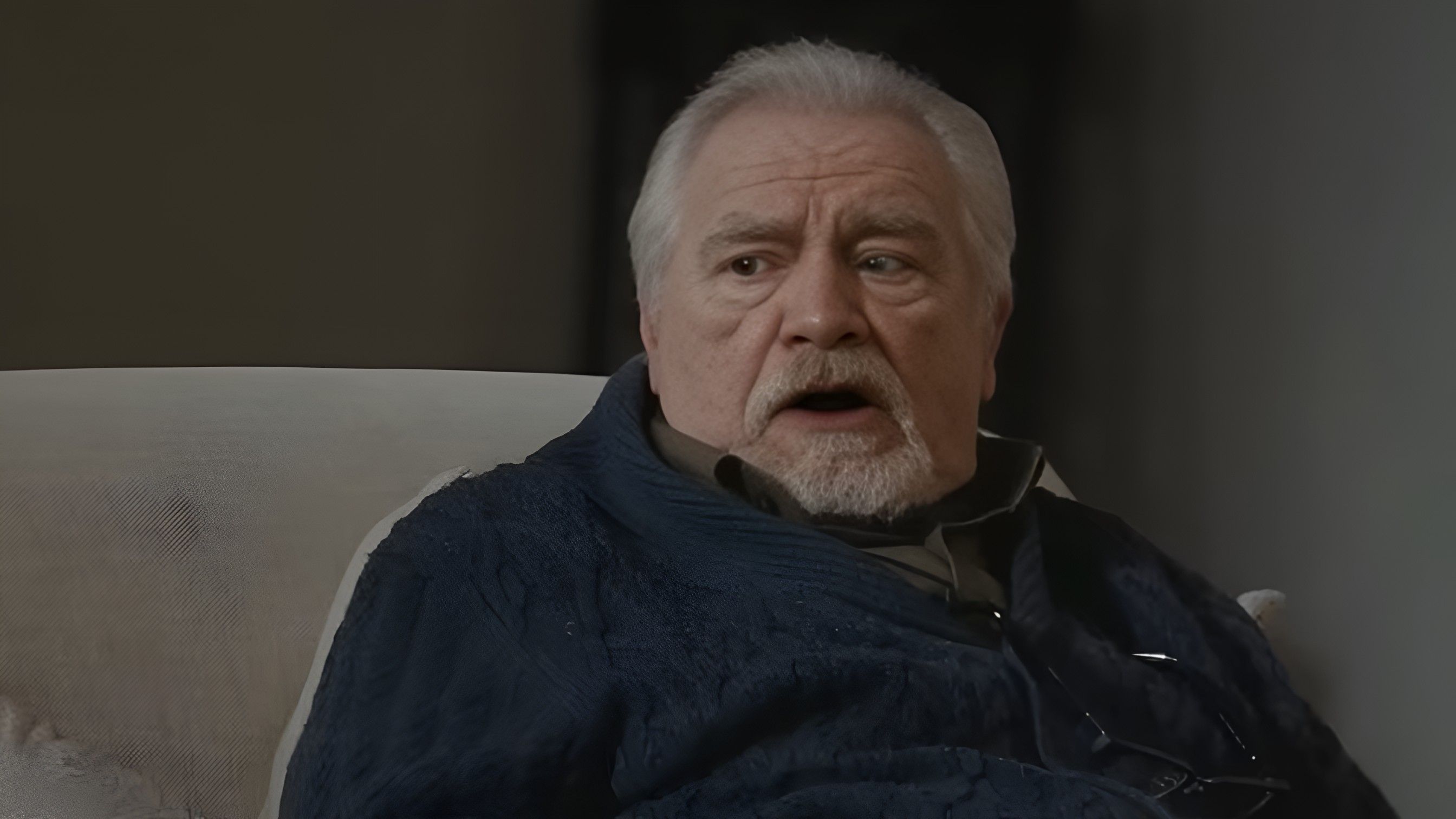
Logan Roy as the structural force of Succession
Logan Roy is not just a powerful character throughout Succession but also the central force around which the plot revolves. His vision determines the parameters for success and failure. Time and again, Logan points out that business is about power, not love, and that one has to hold on to authority, not simply take it.
Logan also makes it a point to never explicitly name a successor. Rather, he sets up a perpetual rivalry, putting his children through a constant emotional and psychological trial. He does not call it mentorship. It is actually a sieve, showing who can thrive in chaos and who cannot.
The finale maintains the logic laid down by the show
Succession’s last chapter neither lays down new laws nor erases the old ones; rather, it relies on the same dynamics that have driven the series from the beginning. The decision made through the boardroom vote that possesses the power to decide the fate of Waystar Royco mirrors longstanding divisions among the Roy siblings instead of portraying an unexpected turnaround.
Shiv’s vote ultimately prevented Kendall from becoming CEO. Although this moment is pivotal, it nevertheless fits well with the character. The series has always shown the personal background, suspicion, and conflict over power remaining unresolved as factors making the Roys unable to act collectively.
Kendall Roy and the limits of legacy
Kendall Roy’s story in Succession is deeply linked to his perception of himself as the one to inherit the throne. His power plays often stem from inheritance rather than uncontested possession. Although amid the internecine wars, Kendall might exhibit flashes of strategic thinking, the creator also wants to show how emotional dragging and psychological turmoil are factors that keep his ability to dominate power from consolidating.
In the end, Kendall’s defeat in winning the board’s favor is a picture of this limitation. The result corresponds to the past seasons where his power is repeatedly called into question or undermined. The narrative does not present his defeat as a matter of morals but as a product of his inherent weakness.
Shiv Roy and pragmatic decision-making
Shiv Roy's character has been one of the major talking points in the conclusion of Succession, especially her last vote. Throughout the show, Shiv has continually shifted her stance and shown her political savvy, but her detachment from the actual running of the company has often been a barrier to her goals. Her choice in the last episode can be regarded as practical rather than ideologically driven.
On the one hand, the series displays her decision without any clear reasoning, thus allowing the audience to see it through the prism of her self-interest, long-term positioning, or even her distrust in Kendall's ability to lead. What is still apparent, however, is that her vote paves the way for the sale of Waystar Royco, which is in sync with a power structure that she did not create but has finally come to terms with.
Roman Roy and the acceptance of limits
Roman Roy's character arc in Succession is characterized by brilliant instincts coupled with emotional instability. Although occasionally he shows good judgment, his inconsistency still raises doubts in the storyline.
In the last piece of the series, Roman tells the truth that he is not fit for the position of a leader. This incident does not serve as a tragic fall from grace but rather as an acknowledgment. The show presents this kind of self-acceptance without any commentary, thus highlighting its overall message that having self-awareness does not automatically mean being in charge.
Tom Wambsgans and functional leadership
The assignment of Tom Wambsgans as CEO under Lukas Matsson is one of the most talked-about results of the Succession finale. Unlike the Roy siblings, Tom does not claim power through entitlement or ideology. His character throughout the series is marked by flexibility and perseverance.
The show presents Tom's ascension as functional rather than glorious. He is chosen because he can be controlled within the new setup, not because he is the one to bring change or win over others. This narrative conveys Succession's main message, which is that compatibility with the existing system rather than the personal vision often determines leadership selection.
The sale of Waystar Royco
The sale of Waystar Royco to GoJo is the main structural consequence of the series. Although the Roy kids weigh the deal negatively at different stages, Logan Roy always considers selling as a possible and even favorable option if it helps him to maintain influence.
The ending asserts this opportunistic view. Ownership is given and then taken as a survival in a broader system. The series allows the sale to take place without the framing of winners and losers, pointing instead to the fact that corporate power is moving and transactional.
Succession and the absence of moral resolution
The refusal to deliver moral closure is one of the key features of the series, Succession. The last episode of the series does not provide growth as a reward, cruelty as a punishment, or personal trauma as the plot's resolution. Rather, it lets consequences take place and be received without any comment.
This non-commitment is in line with the narrative technique of the show, which is much broader. The winners and losers are not pointed out, and the audience is to make their own judgments with the help of the historical and long-standing character rivalry that has been happening for quite a while.
Did Logan Roy’s ideology endure?
The series never clearly states that Logan Roy “won,” but the ending's structure supports the interpretation that his vision is still alive. The management he set up keeps on following the same rules: Mastery of feelings, groundwork over inheritance, and flexibility over privilege.
This interpretation does not mean that Logan had to be behind every outcome. It rather implies that the world he had made was of such quality that it could survive even without him. The last episode, therefore, symbolizes continuity, not disruption.
When Succession concludes, the main dilemma is not who takes over Logan Roy but if his power can be undone or diminished. The narrative quietly suggests that the change of power among the elites, once established, will not easily be erased.
The final episode doesn't praise the situation, nor does it criticize it. It simply shows the truth. In Succession, the strongest power is neither the protagonist nor the antagonist, but the mindset, which could be the most coherent ending the series could have given.
 Trending
Also Read: Is Dylan from Severance in Succession? Details explored


 Reply
Reply


