


'%20x='0'%20y='0'%20height='100%25'%20width='100%25'%20%0A%20%20%20%20%20%20%20%20%20%20xlink%3Ahref='data:image/jpg;base64,/9j/2wBDAAYEBQYFBAYGBQYHBwYIChAKCgkJChQODwwQFxQYGBcUFhYaHSUfGhsjHBYWICwgIyYnKSopGR8tMC0oMCUoKSj/2wBDAQcHBwoIChMKChMoGhYaKCgoKCgoKCgoKCgoKCgoKCgoKCgoKCgoKCgoKCgoKCgoKCgoKCgoKCgoKCgoKCgoKCj/wAARCAAGAAoDASIAAhEBAxEB/8QAFQABAQAAAAAAAAAAAAAAAAAAAAf/xAAhEAABAwQBBQAAAAAAAAAAAAADAAECBAURIRIiUVKCkf/EABUBAQEAAAAAAAAAAAAAAAAAAAID/8QAGhEAAgMBAQAAAAAAAAAAAAAAAQIAA2ERMv/aAAwDAQACEQMRAD8AmFstd7NYiUzGooUxDtEg+Un5Z149vqoYaEggwHlumLR1PDa9URK48VRkjT6c7P/Z'%3E%3C/image%3E%3C/svg%3E)

IT: Welcome to Derry wrapped its first season with a finale that did more than just battle Pennywise. The HBO series, created by Barbara and Andy Muschietti, features a post-credits scene that fundamentally alters how fans perceive Beverly Marsh's story from the 2017 film. This wasn't just fan service. It was a carefully crafted moment that added new layers of tragedy to an already haunting narrative.
The scene brings back Sophia Lillis as young Beverly Marsh in 1988, just before the events of the first movie. She encounters an elderly woman at Juniper Hill psychiatric facility. That woman is Mrs. Kersh, played by 91-year-old Joan Gregson.
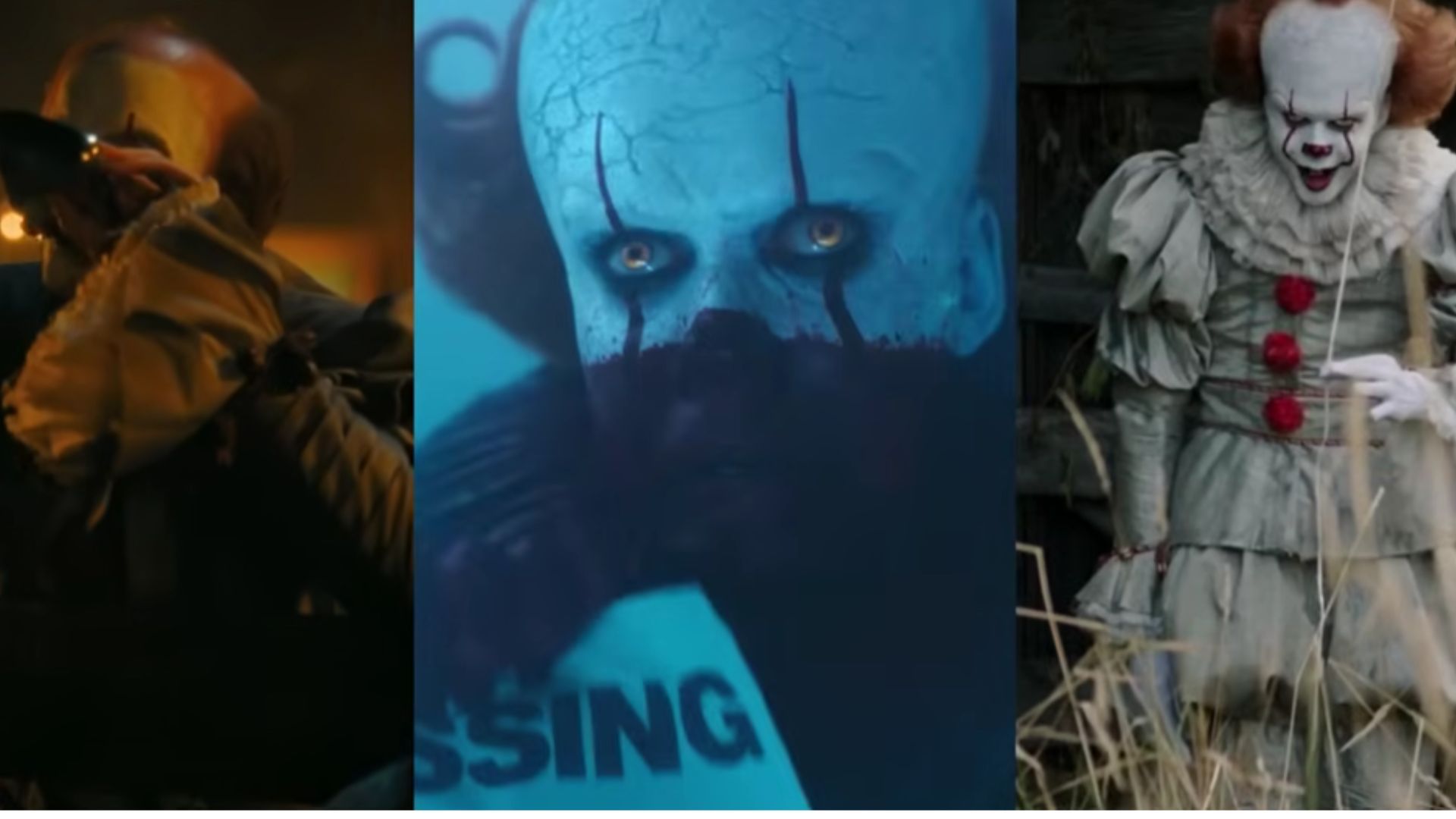
For those who watched IT: Chapter 2, this name carries weight. Mrs. Kersh appeared as one of Pennywise's most disturbing manifestations when adult Beverly, played by Jessica Chastain, returned to Derry. What the finale reveals is that Beverly had met the real Mrs. Kersh years earlier, on the worst day of her young life.
A Last-Minute decision that changed everything
The Muschiettis didn't plan this scene from the start. They conceived it during reshoots in April of this year. Andy Muschietti wanted a visual bridge connecting the series to the films. The team initially considered a four-scene epilogue featuring multiple characters from the Losers Club. Budget constraints forced them to condense it down to one decisive moment with Beverly.
The timing worked perfectly. Lillis maintains a youthful appearance that allows her to play her teenage character without digital de-aging. The real stroke of luck came when their cameraman mentioned working recently with Gregson. The actress delivered a fearless performance in IT: Chapter 2 at the age of 85, including brutal scenes that tested her range. At 91, she was still active and eager to work.
Barbara Muschietti found money for the scene by cutting visual effects from other parts of the show. They shot quickly with Gregson, who embraced every take with enthusiasm. The actress brought laughter, smiles, and tears to different takes. She passed away two months after filming. This became her final role, adding poignant weight to an already emotional scene. The Canadian theater veteran left behind a legacy that now includes this meaningful connection between two major productions.
Recontextualizing Beverly's trauma in IT: Welcome to Derry
IT: Welcome to Derry co-creator Jason Fuchs explains how this changes our understanding of the 2017 film sequel. When Pennywise took the form of Mrs. Kersh to torment adult Beverly, it seemed like the creature was exploiting her troubled relationship with her father. IT: Welcome to Derry finale reveals something darker. Pennywise knew Beverly had met the real Mrs. Kersh on the day her mother committed suicide at Juniper Hill.
The entity wasn't just pulling from Beverly's general fears. It was targeting a specific buried memory tied to her most horrific childhood moment. This added layer makes the IT: Chapter 2 scene even more sinister upon rewatching.
Pennywise wasn't creating a random, frightening image. It was weaponizing a real person from Beverly's traumatic past. The creature feeds on fear, and what better source than authentic memories laced with genuine pain and loss.
The connection between Juniper Hill and Beverly's family runs deep. Her mother was committed to the same facility where the young girl would later meet Mrs. Kersh. This location becomes a nexus of Beverly's suffering. The show transforms what seemed like separate traumas into an interconnected web of pain that Pennywise could exploit decades later.
Expanding the mythology in IT: Welcome to Derry
The finale also answers key questions about the mythology. Viewers learn why IT: Welcome to Derry focuses on Pennywise's continued presence in Derry. The Children of Maturin imprisoned the entity centuries ago using a mystical cage. The show explains why the creature chose Pennywise as its primary form after encountering a real clown named Bob Gray in 1908. The entity observed how children reacted to Gray's stage presence with an almost hypnotic fascination.
The season also explores Ingrid Kersh's backstory. She is Bob Gray's daughter. After losing her father as a child, she encountered a manifestation of him in 1935. Since then, she has operated as the creature's familiar, believing she is seeing a form of her lost parent. This tragic relationship adds depth to a character who initially seemed like just another victim.
Looking backward to move forward in IT: Welcome to Derry
 Trending
The Muschiettis confirmed plans for Season 2 to jump back to 1935, following Pennywise's previous awakening cycle. This reverse-chronology approach was pitched to Stephen King from the outset. The finale hints at Pennywise's non-linear experience of time, suggesting the creature exists across multiple periods simultaneously. This opens storytelling possibilities that most prequels cannot access. The past, present, and future merge into one for an entity that transcends normal temporal boundaries.
IT: Welcome to Derry proves that prequels can surprise audiences even when outcomes are known.


 Reply
Reply


