


'%20x='0'%20y='0'%20height='100%25'%20width='100%25'%20%0A%20%20%20%20%20%20%20%20%20%20xlink%3Ahref='data:image/jpg;base64,/9j/2wBDAAYEBQYFBAYGBQYHBwYIChAKCgkJChQODwwQFxQYGBcUFhYaHSUfGhsjHBYWICwgIyYnKSopGR8tMC0oMCUoKSj/2wBDAQcHBwoIChMKChMoGhYaKCgoKCgoKCgoKCgoKCgoKCgoKCgoKCgoKCgoKCgoKCgoKCgoKCgoKCgoKCgoKCgoKCj/wAARCAAGAAoDASIAAhEBAxEB/8QAFQABAQAAAAAAAAAAAAAAAAAAAAb/xAAhEAABAwQBBQAAAAAAAAAAAAACAAEEAwURIQYSI1Gh0v/EABQBAQAAAAAAAAAAAAAAAAAAAAP/xAAWEQEBAQAAAAAAAAAAAAAAAAAAETH/2gAMAwEAAhEDEQA/AJKbeuSSJY0ZN7qyIhRiIhemNN868N7U2V8PqfMu5Zzvuh8oiDSyP//Z'%3E%3C/image%3E%3C/svg%3E)

Netflix jumped into 2026 with Land of Sin, a Swedish Nordic noir crime series that dropped worldwide on January 2. Peter Grönlund created, wrote, and directed this one. The show runs for just five episodes, and it pulls you into the bleak, misty countryside of southern Sweden’s Bjäre peninsula.
At the heart of the story is the death of a teenager named Silas, found dead at a lonely farmhouse. Detectives Dani (Krista Kosonen) and Malik (Mohammed Nour Oklah) dive into the case, only to get tangled up in old family grudges, violence passed down through generations, and secrets everyone tries to keep buried.
The whole series is ready to binge, about three and a half hours of grim, slow-burning tension that leans into the Scandinavian noir theme. As you watch, Land of Sin explores shame, love, and violence, all set against the backdrop of a rural community that feels both haunting and real.
Should you watch Land of Sin? That’s what we are here to figure out. We will break down what works, what doesn’t, and help you decide if it deserves a spot on your watchlist.
What is Land of Sin about?
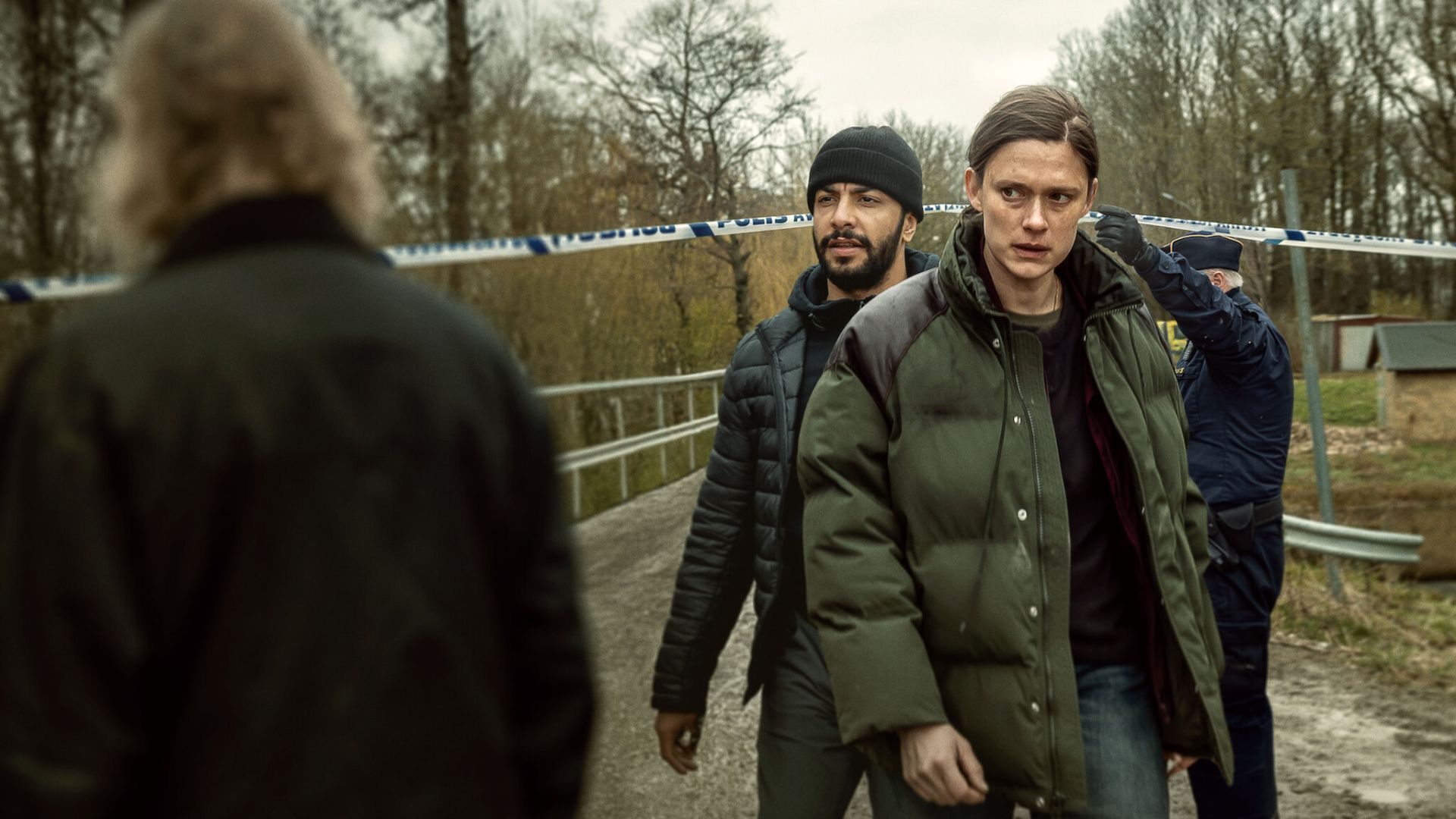
Land of Sin is based on a conventional Nordic noir template, though it tries to differentiate itself by exploring the isolation in the countryside and family dysfunction. The series starts with the police finding the body of Silas on the coastal Bjäre peninsula which forms a gloomy mood that lingers over all frames.
Dani is the detective from Malmö with a dark past and a personal connection to the victim. Previously, she was his foster mother, and she comes home to the village that evidently does not welcome her. The fact that she is paired with Malik, the rule-following rookie, sets the typical mismatched detective dynamic that has become a staple of the genre.
According to Collider, the investigation draws the detectives into what the outlet describes as a community that signifies moral complexity, where deliberate villains and heroes are absent. Land of Sin addresses the issue of how the people on either side of the law are merely an ignored community trying to make a living. This ambiguity is the thematic mainstay of the series, where Grönlund intentionally escapes straightforward solutions to the murder mystery.
The plot structure shows that the demise of Silas is the tip of the iceberg of decades-old hostilities between two families that were engaged in a fierce rivalry. Digital Spy has reported that Grönlund characterized the world of Land of Sin as the place where there is a common beat between shame, love, and violence.
It results in an atmosphere in which traditional moral boundaries become even more unclear. The probe reveals drug trafficking, crushing poverty, generational trauma, and controversial land conflicts, all of which add to the repressive mood.
Critical reception of Land of Sin
The reception of Land of Sin has been fairly divided, with critics praising the technical skills of the series and doubting whether it has anything new to add to the overcrowded Nordic noir scene.
The series was rated 2 out of 4 stars by Roger Ebert. The critic remarked that fans of Scandi crime shows are accustomed to certain elements, namely, dark, brooding characters, small towns full of corruption, and slightly dull cinematography, but in this case, the story has very few new tricks up its sleeve. The review suggests that viewers who have already watched series like Broadchurch, Mare of Easttown, or True Detective will not be surprised by anything in Land of Sin.
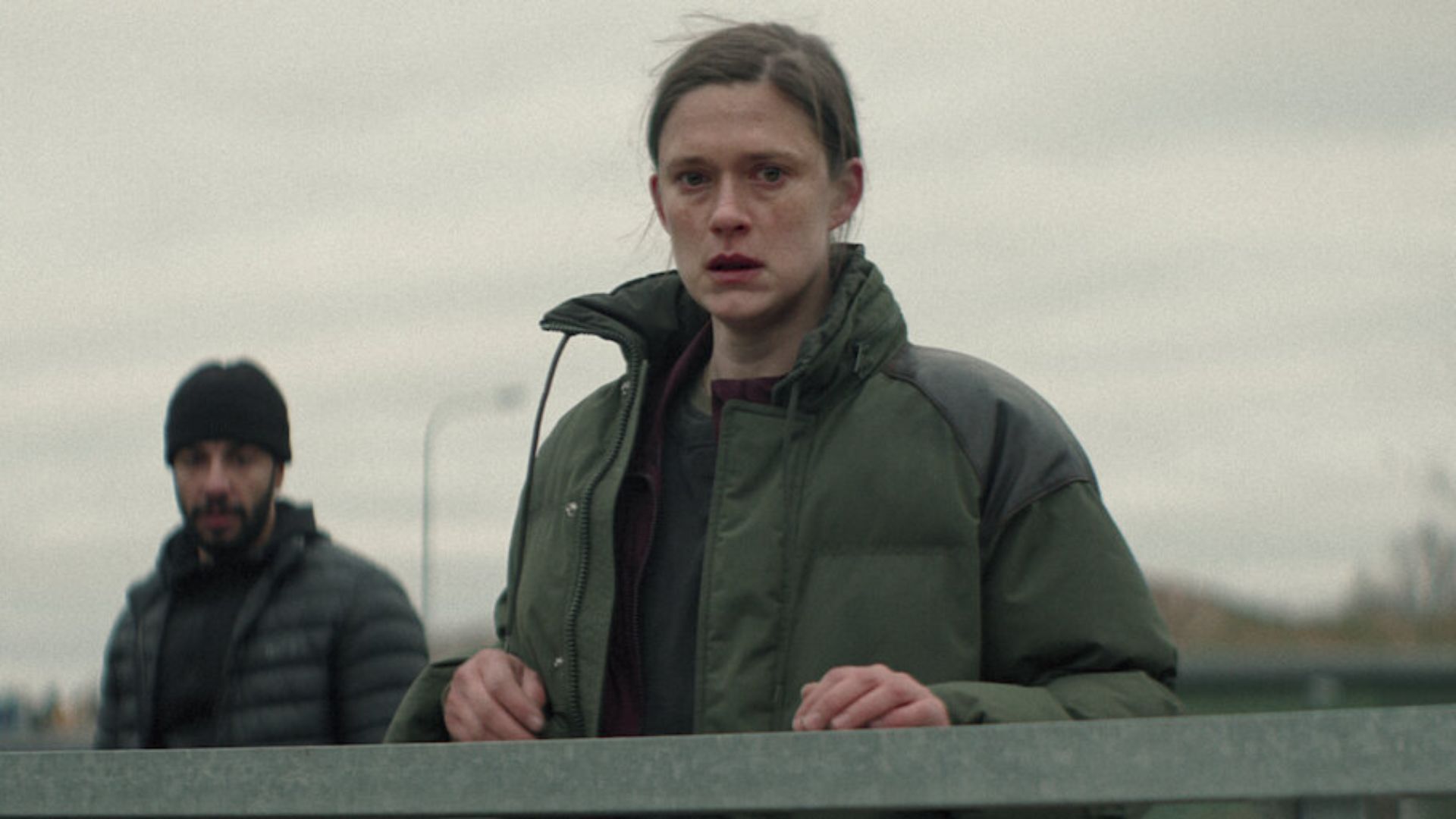
Collider provided a more favorable review, terming the show a must-watch for Nordic noir enthusiasts and stating that Krista Kosonen is superb as Dani. The review has emphasized the use of the camera to show intentionality, the use of spectacular distance and close-ups, which enable the framing and the anguished face of Kosonen to bear the strong emotional waves. The outlet observed that Dani reminds people of classic Nordic noir heroes, like Sarah Lund of Forbrydelsen, her low ponytail, androgynous style, and weary face, becoming a visual shortcut to the battered detective type.
Nevertheless, even glorifying reviews admit the shortcomings of the series. Heaven of Horror called Dani a personification of depression and anticipated that Land of Sin brings the darkness characteristic of Nordic noir to even greater heights. The critic recommended the series to those who like series such as Ozark and Bloodline and who are ready to embrace something even more brutal, but it is surely not a series that everyone will enjoy.
The series is in a clumsy place, technically proficient and with good central performances, but with not much to make it stand out among the myriad of other films in the Nordic noir genre. It is probable that the series will mostly target the hardcore fans of Scandinavian crime dramas who cannot get enough of their shows, such as The Åre Murders, Deadwind, The Killing, and Forbrydelsen.
Should you watch Land of Sin?

 Trending
Watch if: You are a devoted Nordic noir fan and have already read the classics, and want more of the same formula. You like devoted performances more than innovative storytelling. You can handle relentlessly bleak subject matter without tonal variation. You are particularly interested in Krista Kosonen’s dramatic change. Or you just have a free afternoon and want to watch something dark and complete.
Skip if: You have not read Nordic noir before, and would prefer to read the best it has to offer. You need the crime genre to be tonally balanced or with some lightheartedness. You have recently lost a loved one or are depressed and do not want to start the process over again. You seek something new for the crime thriller template. Or you like longer and more developed plots to allow the complex stories to breathe.


 Reply
Reply


