


'%20x='0'%20y='0'%20height='100%25'%20width='100%25'%20%0A%20%20%20%20%20%20%20%20%20%20xlink%3Ahref='data:image/jpg;base64,/9j/2wBDAAYEBQYFBAYGBQYHBwYIChAKCgkJChQODwwQFxQYGBcUFhYaHSUfGhsjHBYWICwgIyYnKSopGR8tMC0oMCUoKSj/2wBDAQcHBwoIChMKChMoGhYaKCgoKCgoKCgoKCgoKCgoKCgoKCgoKCgoKCgoKCgoKCgoKCgoKCgoKCgoKCgoKCgoKCj/wAARCAAGAAoDASIAAhEBAxEB/8QAFgABAQEAAAAAAAAAAAAAAAAAAAUG/8QAIhAAAQIGAQUAAAAAAAAAAAAAAQIDAAQFERIhBgcTIkFS/8QAFQEBAQAAAAAAAAAAAAAAAAAAAgP/xAAZEQEAAgMAAAAAAAAAAAAAAAABAAMhIlH/2gAMAwEAAhEDEQA/AM5TOLKaZmZWbmQ5UqqrKTebulDWJyOYv7GtXi+OrHOpcdhLVFIb8ASpe7a+YQideASO42TjP//Z'%3E%3C/image%3E%3C/svg%3E)

Pluribus is one of the most talked-about shows of 2025. It was created by Vince Gilligan.
It premiered on Apple TV on November 7, 2025. In here, the Earth has flipped upside down thanks to some alien virus known in the show as “the Joining”. It mashes everyone’s brains together into a giant hive mind. But there are a handful of people who, for whatever reason, the virus can’t touch.
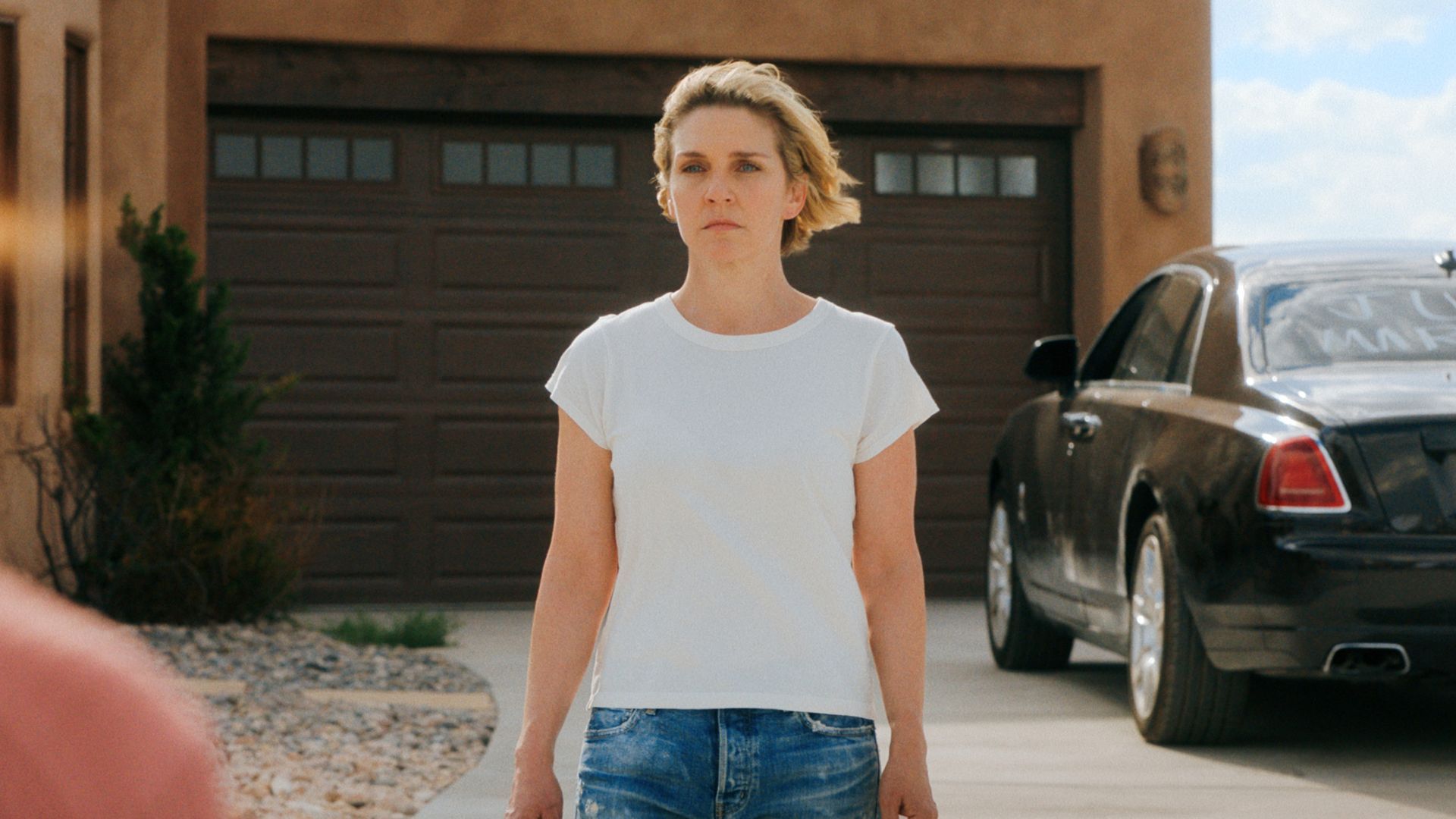
One of them is Carol Sturka, played by Rhea Seehorn. Carol is a novelist. She is also a survivor. Her fight to stay herself is the heart of the show. Pluribus explores what it means to be alone, fight for your own mind, and hold onto your autonomy when everyone else is ready to let it go.
Most people in the show have given up their individuality. They have joined a hive mind called the Others. The Others feel happy and connected. They live as one group. But Carol wants control over her own life. Across the first seven episodes, this struggle grows. Carol becomes more isolated. She is alone in her body, in her feelings, and in her sense of purpose.
By Episode 7, called The Gap, a big question remains. How long has Carol truly been alone? The short answer is 48 days and ~16 hours.
How long has Carol been alone by the end of Pluribus Episode 7?

By the end of Episode 7, Carol has been alone for over 48 days. The timeline shows 48 days, and about 16 hours have passed since “Joining.” This is one of the longest times she has had no real human contact.
In Pluribus Episode 7, Carol’s loneliness is very clear. She returns to her home in Albuquerque, New Mexico. She fills her days with strange activities. Some are playful, while some feel disturbing. She sets off fireworks. She plays golf on empty courses. She visits the Georgia O’Keeffe Museum. She even plans fancy dinners using memories of others.
These actions help her cope. They remind her of human routines. They connect her to the life she shared with her partner, Helen.
But these so-called fun moments hide deep sadness. Carol feels empty and alone. She has no one to talk to. Most people are now part of the hive. Other immune survivors have pulled away from her. Her world feels strange and unreal. It is full of bright moments and deep despair.
Carol sings and celebrates. But this is not true happiness. She is trying to create a connection by herself in a world that no longer offers it. Carol is not just alone in body. She is alone in her mind.
Pluribus Episode 7 uses very little talking. Long silences fill many scenes. Music and sound take over instead. Often, the only voice is Carol’s own. It echoes in empty spaces. This choice shows how deep her isolation has become.
One key moment shows how alone Carol has become. After weeks by herself, she begs for contact. She paints the words “come back” on the road outside her home. This shows her deep need for connection. This happens after more than 48 days alone. Soon after, Zosia arrives. Zosia is part of the hive mind.
At the end of the Pluribus episode, Carol and Zosia hug. The hug feels powerful. It is not about solving anything. It is about not being alone. This long timeline matters. Almost seven weeks pass without real companionship. That loneliness shapes the whole episode.
Carol’s behavior changes because of it. Her emotions swing. Her confidence slowly breaks down. All of this comes from being alone for so long.
Pluribus takes place after the end of the world. Almost all humans have changed. They are now part of a hive mind called the Others. The Others are not violent. They are all plugged into this one big, happy brain. They feel connected to each other. But they lose individuality. They lose free choice.
This change is called the Joining. It removes personal control. Everyone becomes part of one shared mind.
Carol is different. She is immune to the virus. Only about 13 people are immune. This makes her view of the world very different.
 Trending
Most people feel peace in the hive. Carol does not. She sees the change as a threat to humanity. She believes it destroys what makes people human. Carol keeps working on a cure. She holds onto logic and emotion. She refuses to give up her identity.
Her resistance separates her from everyone else. Not just in body, but in feeling. This is what deepens her loneliness as the world falls apart.


 Reply
Reply


