


'%20x='0'%20y='0'%20height='100%25'%20width='100%25'%20%0A%20%20%20%20%20%20%20%20%20%20xlink%3Ahref='data:image/jpg;base64,/9j/2wBDAAYEBQYFBAYGBQYHBwYIChAKCgkJChQODwwQFxQYGBcUFhYaHSUfGhsjHBYWICwgIyYnKSopGR8tMC0oMCUoKSj/2wBDAQcHBwoIChMKChMoGhYaKCgoKCgoKCgoKCgoKCgoKCgoKCgoKCgoKCgoKCgoKCgoKCgoKCgoKCgoKCgoKCgoKCj/wAARCAAGAAoDASIAAhEBAxEB/8QAFgABAQEAAAAAAAAAAAAAAAAAAAEH/8QAHBAAAgIDAQEAAAAAAAAAAAAAAQIDEQAEIRNh/8QAFQEBAQAAAAAAAAAAAAAAAAAAAwT/xAAXEQEBAQEAAAAAAAAAAAAAAAABABEC/9oADAMBAAIRAxEAPwDAtCCTZ0pJPYqAtkVddPR95lTRkdFYMgDC8YyZXWd5ML//2Q=='%3E%3C/image%3E%3C/svg%3E)

Episode Three of Station Eleven steps away from survival camps and shattered futures to focus on the woman behind the story that quietly binds the series together. Titled Hurricane, the episode traces the life of Miranda Carroll, the creator of the Station Eleven graphic novel, and shows how one person’s private act of making art becomes a lifeline for a world on the brink.
This is the hour that explains where the book came from, why it matters, and how creation, love, and regret collide just before everything ends.
Before anything else in Station Eleven, there was Miranda
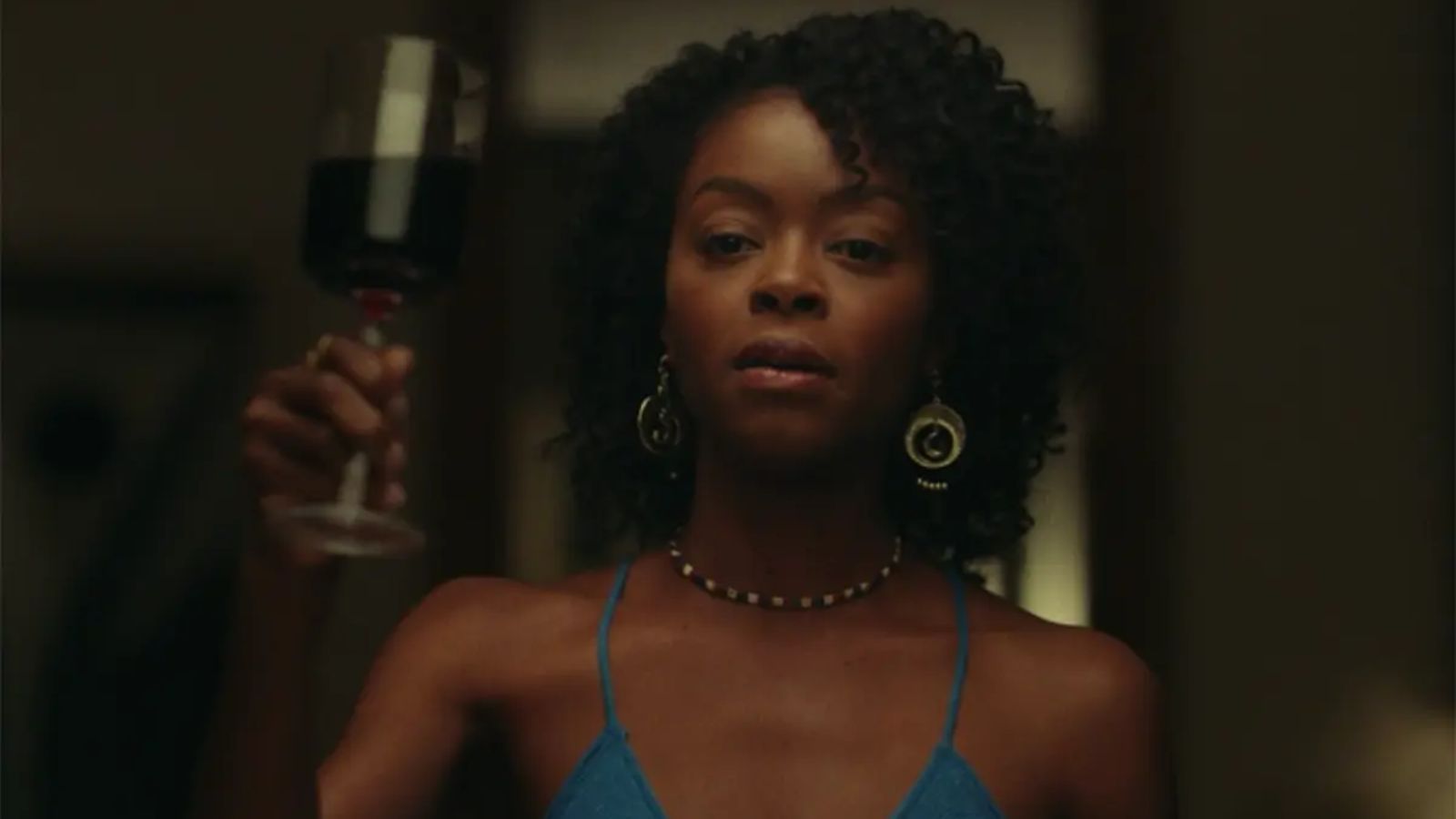
Episode Three of Station Eleven pulls the camera away from the post-pandemic future and plants it firmly in Miranda Carroll’s life. The episode opens in Chicago in 2005, with Miranda applying for a job that will quietly shape the rest of her existence. She introduces herself not as a visionary or a dreamer, but as a listener, which accurately describes her. Miranda lives through life i=from a distance, but she i always present, observant, and emotionally guarded. On crowded busses, in office spaces, at dinner parties, even in bed with someone who loves her, she keeps a careful distance.
Years later, by 2020, Miranda is thriving professionally. She works in logistics, mapping global supply chains and solving problems that stretch across continents. At the same time, she is quietly building something else: a graphic novel she draws obsessively, privately, and protectively. This book does not yet have a name that anyone else knows but to Miranda, it is survival.
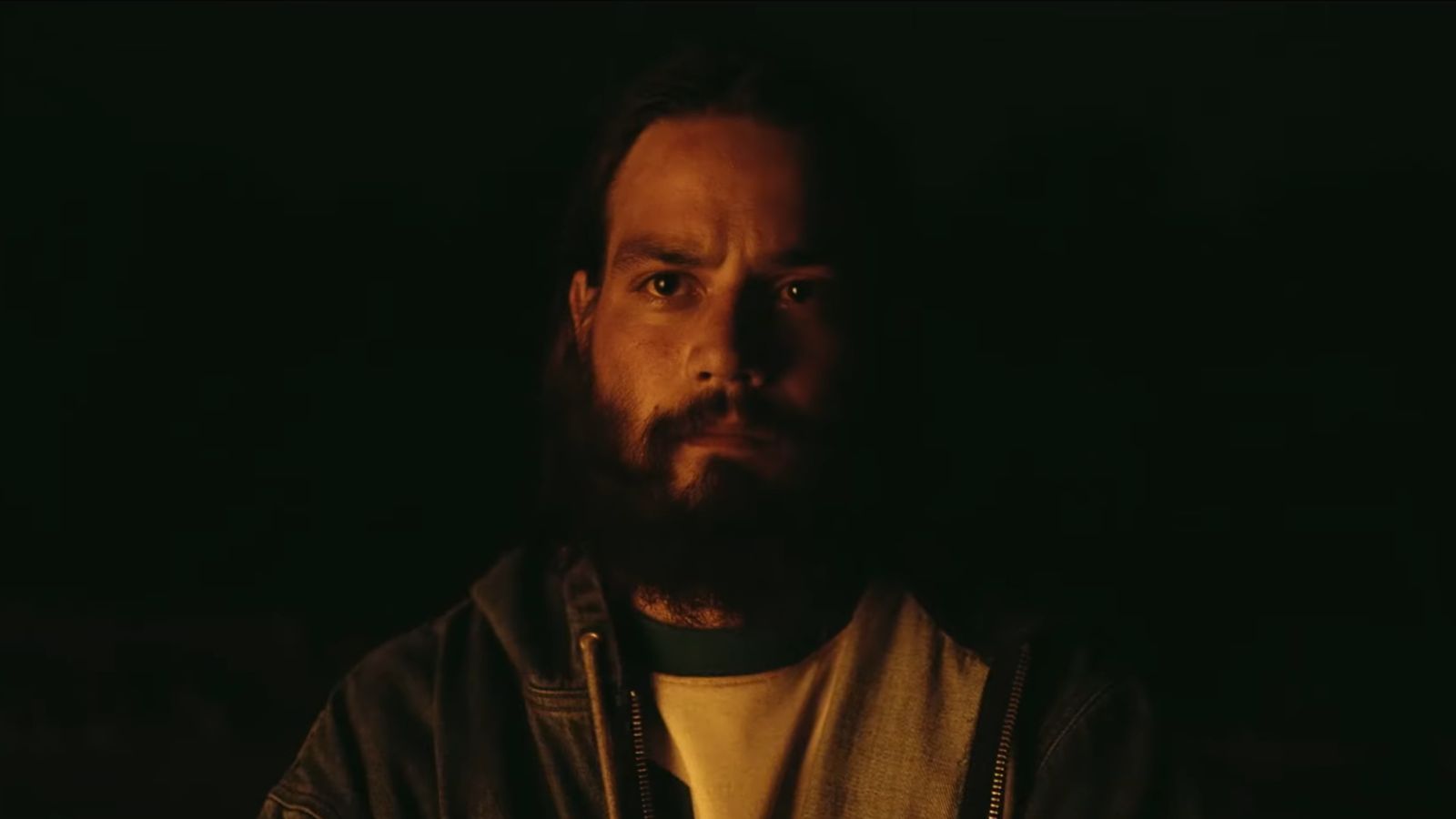
Just then, Arthur Leander enters her life in a diner. He is already famous, already restless, already running from the noise that follows him. He notices her drawings and insists on buying one, overpaying so he has an excuse to stay. Miranda initially refuses him, then follows him to a party, and eventually into a relationship that looks glamorous from the outside and deeply asymmetrical on the inside.
Arthur is drawn to people, Miranda is drawn to work. Even when they live together, she retreats to the pool house, splitting her time between logistics by day and drawing by night. Arthur wants access to her inner world but Miranda believes that love wants the ending before the work is finished. That belief costs them everything.
Their relationship is further strained at a dinner party when Miranda gets to know that Arthur has shared details of her book with his co-star Elizabeth. It is then revealed that Arthur is having an affair with Elizabeth, betraying Miranda's loyalty, and her trust.
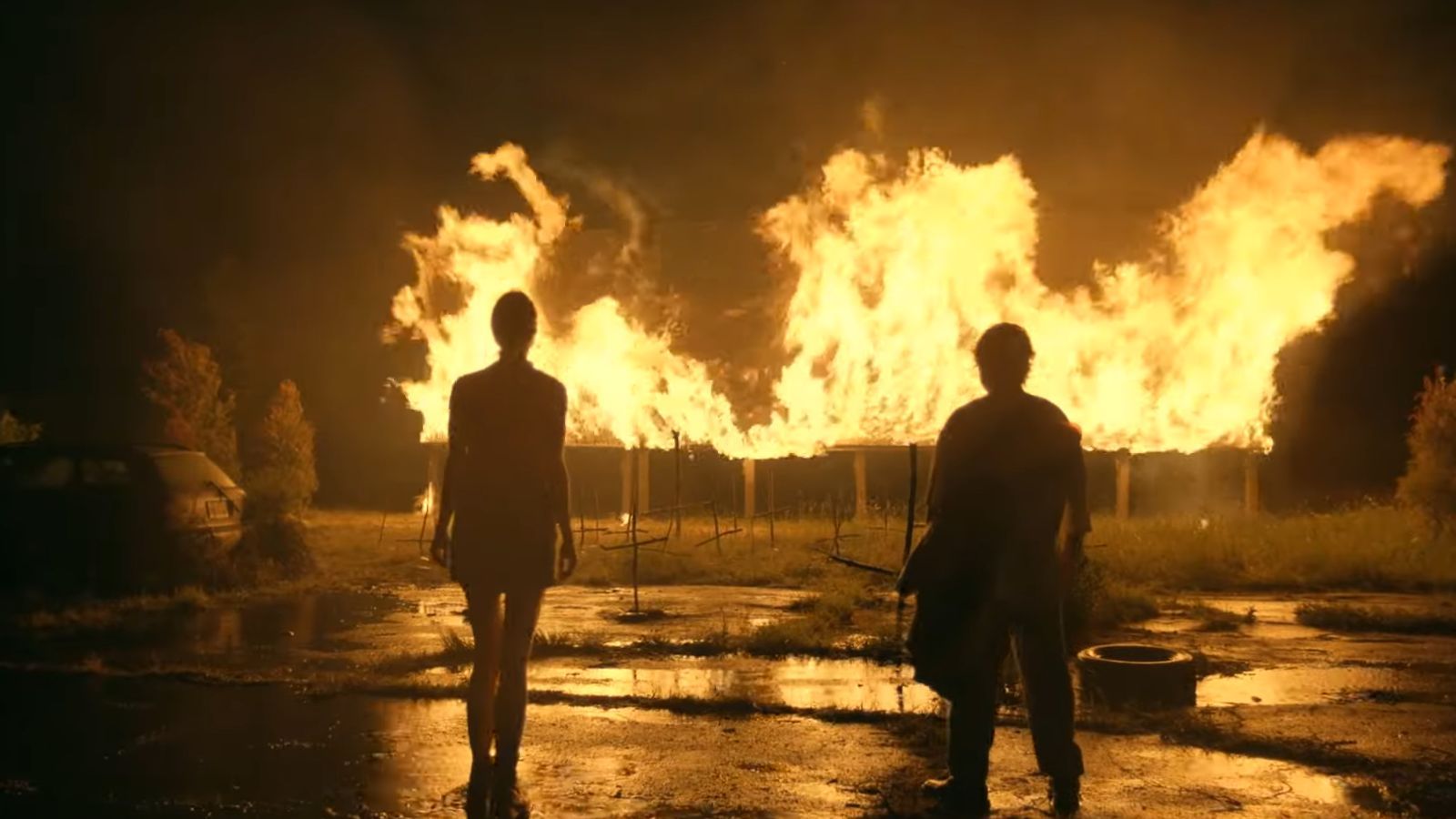
Miranda leaves but before she goes, she burns the pool house and the pages of the book she had been building there. In that moment, she decides that the work has ruined her life, even as she cannot let go of it. Years later, she will redraw it from memory, cleaner and more controlled, and hand copies of it back into the world. Including one to Arthur, shortly before he faces his fall
The episode weaves these past events into the present with deliberate disorientation. Time folds in on itself the way memory does under pressure. Miranda’s relationship with Arthur resurfaces in fragments as the flu begins its unstoppable spread in 2020.
Miranda's slow decline in a world already collapsing
Miranda is in Malaysia for a business meeting when the world starts thinning out. Offices go empty and masks appear. Travel becomes dangerous and Leon, her boss, calls with urgency and clarity that the virus has mutated. She needs to leave immediately so he arranges passage for her on a tanker called the Robespierre, anchored miles offshore. It is her best chance to survive.
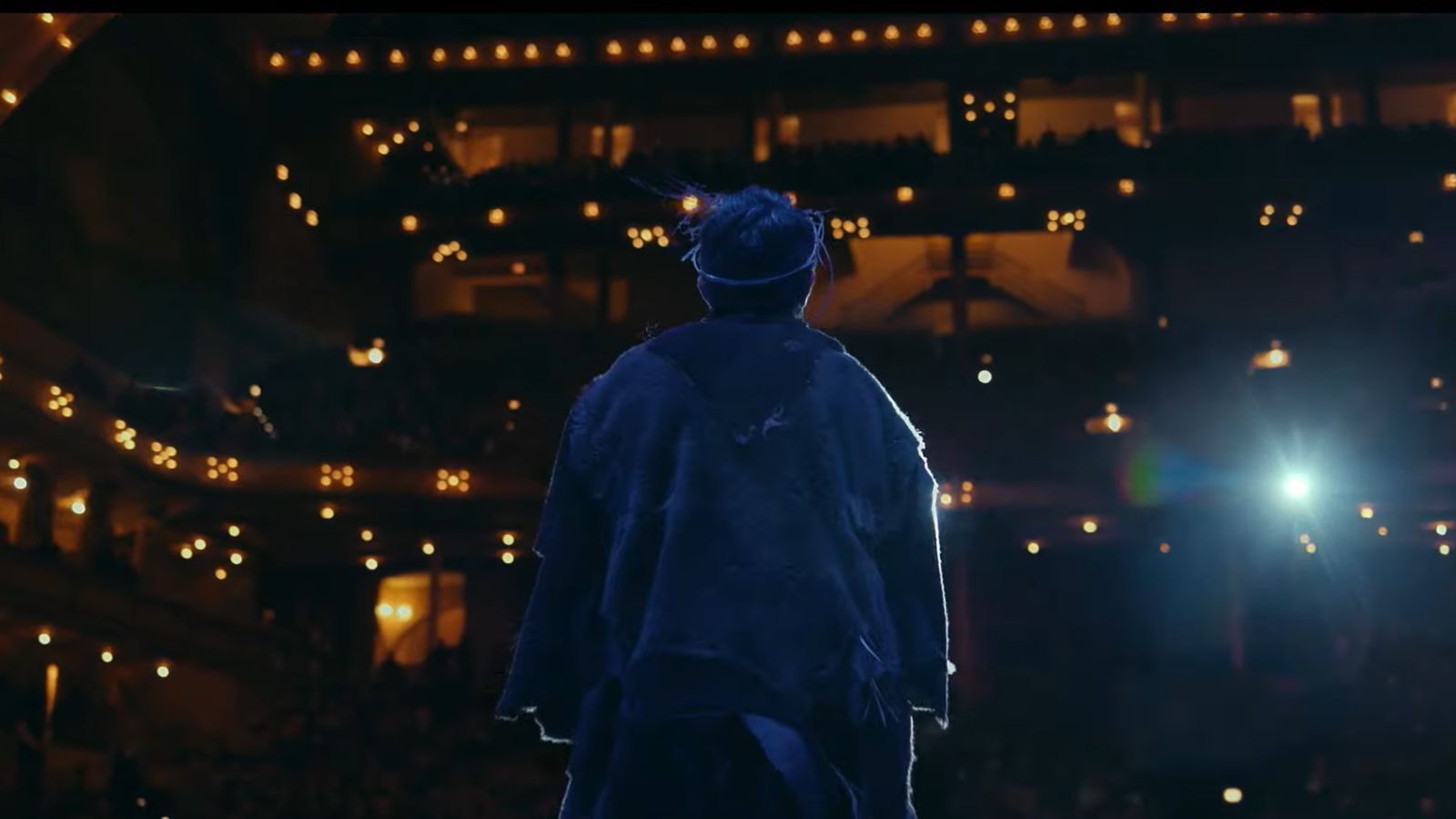
Before heading for the coast, Miranda calls Arthur. She tells him to stay where he is, to be careful, to hold on. The conversation is brief and weighted with everything they never resolved. Moments later, she learns from Clark that Arthur is already dead, having collapsed on stage while performing King Lear. The knowledge hits her physically. She collapses, injures herself, and drops the keys that would have allowed her to escape the mainland.
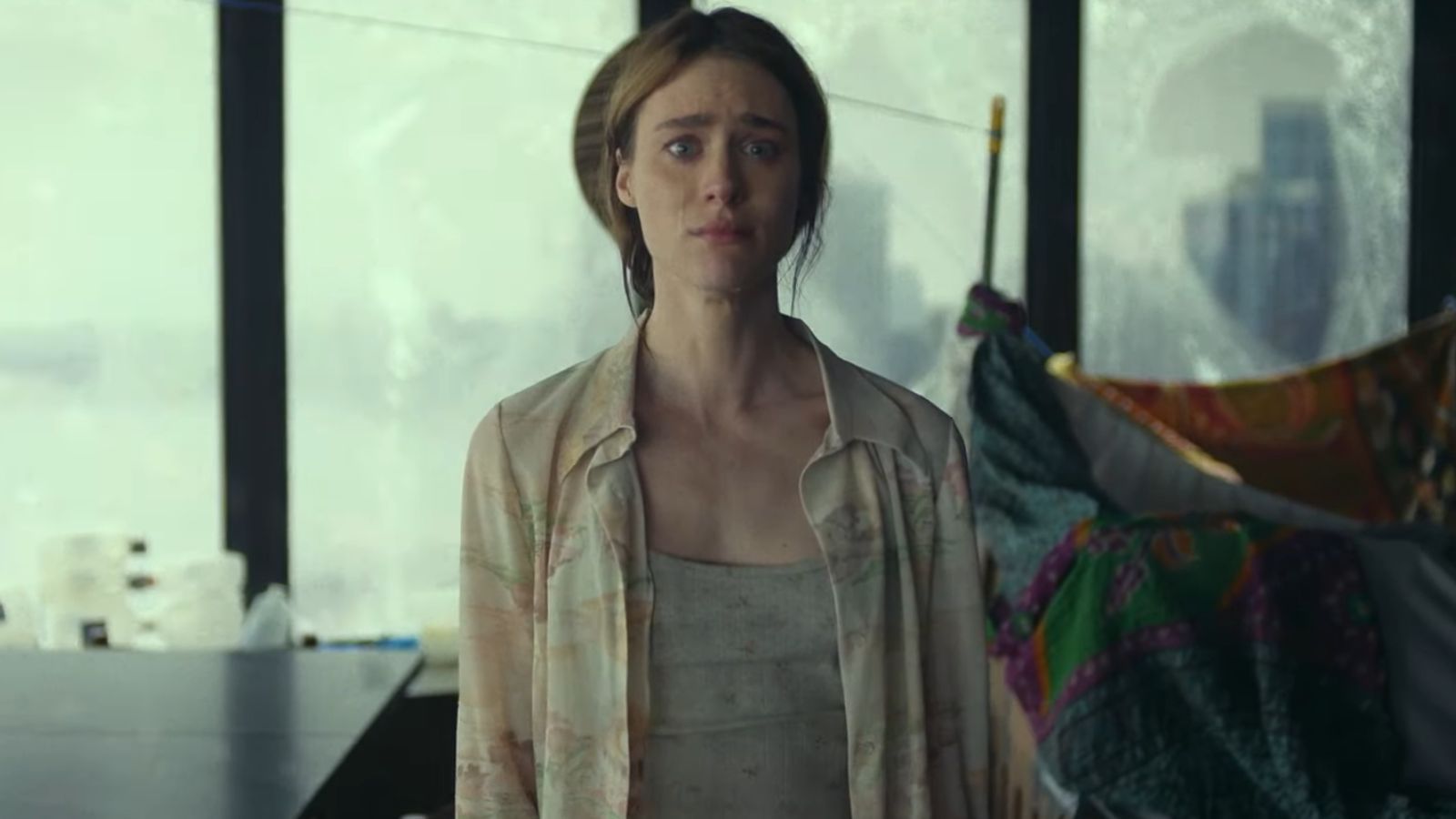
Still, Miranda keeps moving. She attends the meeting with Chinese executives even as everyone in the room understands that the future has ended. Miranda cries, laughs, questions her choices, and finally admits the truth she has avoided: that she chose work over the man she loved. She boarded a plane instead of staying. She finished the book but never got to live after it.
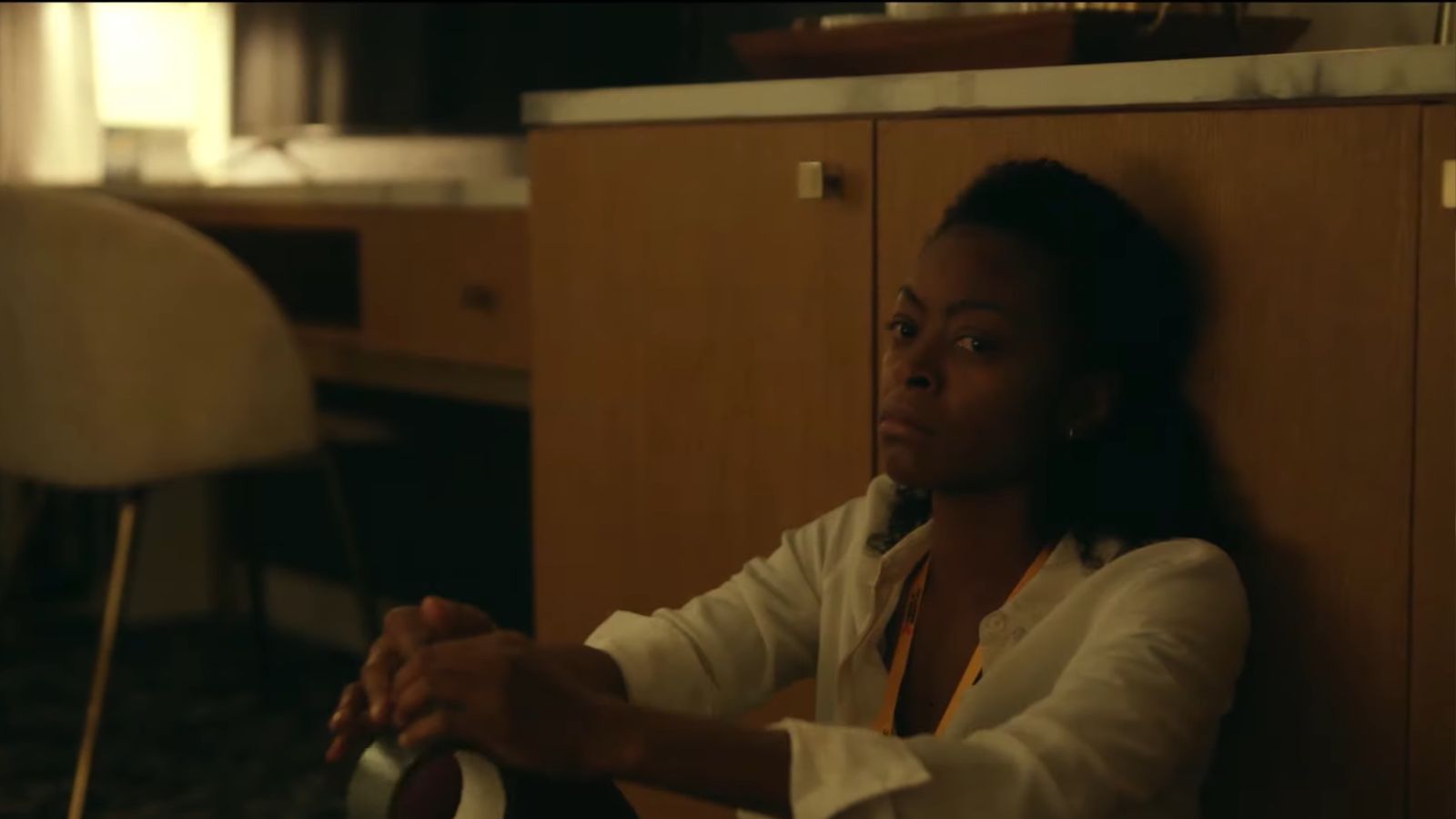
While she juggles her professional life comfortably and with lies of her own safety. Back at her hotel, Miranda seals herself inside. She tapes doors and vents, turning the room into a fragile barrier against the inevitable. Isolation becomes both her refuge and her sentence and as the world collapses outside, the book she once believed destroyed her now feels like the only thing that ever made sense.
How Miranda's legacy continues to live on
In the final moments of the episode, Miranda encounters the figure she created. The gold-suited spaceman from Station Eleven appears, as the embodiment of her inner life. He represents endurance, memory, and the strange way art outlives the person who made it.
Miranda never boards the Robespierre. She never gets the long life she postponed until the work was finished. She dies alone, having completed the thing she believed she had to make before she could begin living.
And yet, her work survives. The graphic novel becomes a shared language in a world stripped bare, its lines memorized, quoted, carved into skin, and painted onto wagons. What began as a private way of processing grief grows into a text that offers meaning to people who have lost everything else. Through chance and human connection, it becomes as essential to the future as Shakespeare.
Episode Three reframes Station Eleven as a story about legacy as much as survival. Miranda reflects on the world through art and leaves behind something that helps others endure. The tragedy is that she waited to live, but the miracle is that her work lives on.
 Trending
Station Eleven is available to stream on HBO Max.


 Reply
Reply


