


'%20x='0'%20y='0'%20height='100%25'%20width='100%25'%20%0A%20%20%20%20%20%20%20%20%20%20xlink%3Ahref='data:image/jpg;base64,/9j/2wBDAAYEBQYFBAYGBQYHBwYIChAKCgkJChQODwwQFxQYGBcUFhYaHSUfGhsjHBYWICwgIyYnKSopGR8tMC0oMCUoKSj/2wBDAQcHBwoIChMKChMoGhYaKCgoKCgoKCgoKCgoKCgoKCgoKCgoKCgoKCgoKCgoKCgoKCgoKCgoKCgoKCgoKCgoKCj/wAARCAAGAAoDASIAAhEBAxEB/8QAFgABAQEAAAAAAAAAAAAAAAAAAAUH/8QAHhAAAQQCAwEAAAAAAAAAAAAAAQACAyEEEQUWMUH/xAAUAQEAAAAAAAAAAAAAAAAAAAAF/8QAHBEAAgICAwAAAAAAAAAAAAAAAQIAAwQRITGx/9oADAMBAAIRAxEAPwDCa5HGZG5jA+PUpdr3XxVOvYDrMQBN0iIfJtarQQ6jRUXMTZz15P/Z'%3E%3C/image%3E%3C/svg%3E)

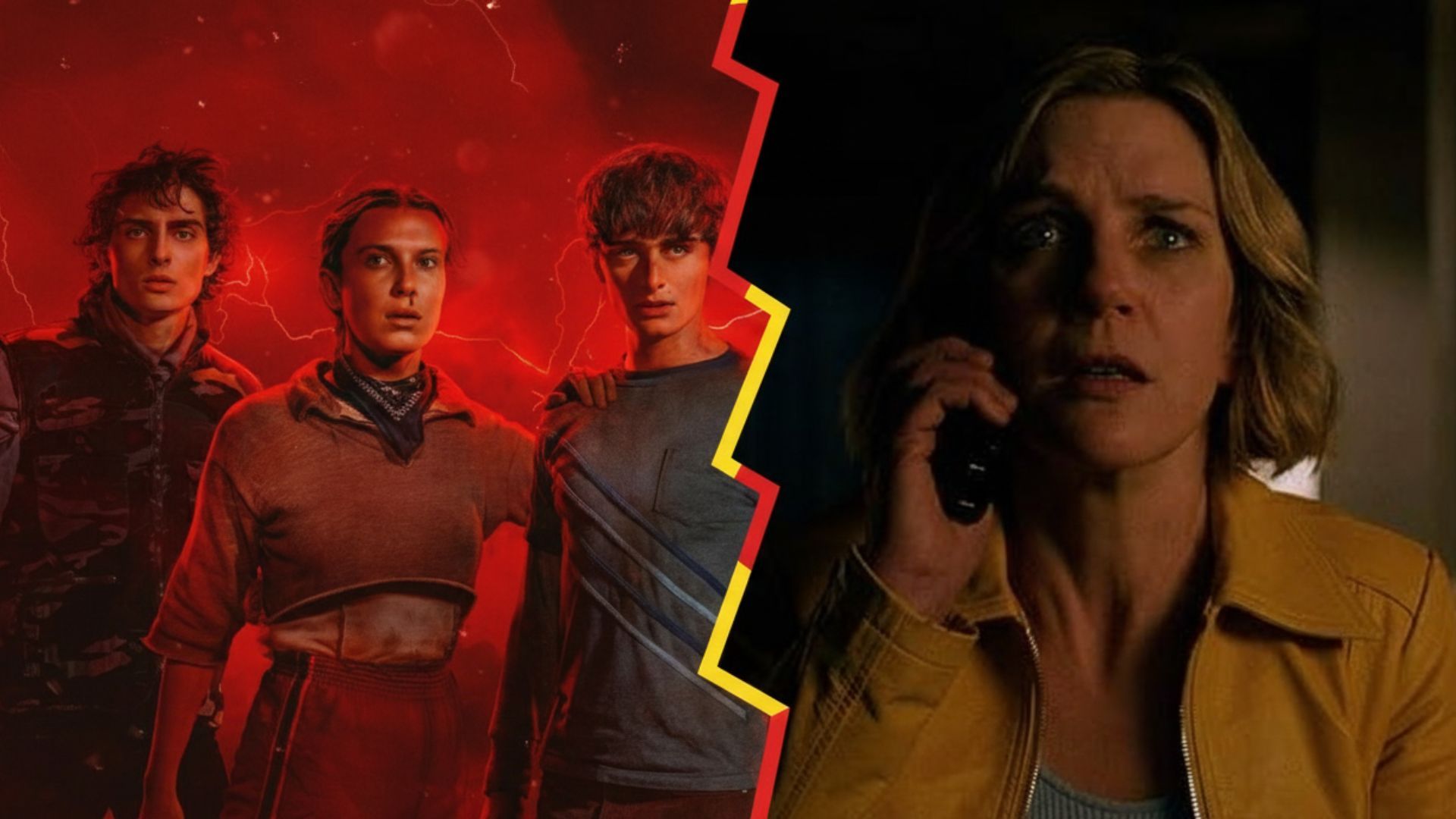
The hive mind was one of the most popular concepts of TV in 2025, and two of the biggest series approached it completely differently.
Stranger Things ended its story on Netflix, the final episodes of which were released in November and December. The series remained true to its classic premise, which consisted of psychic relationships and the Upside Down, a creepy and all-consuming. Simultaneously, the creator of Breaking Bad, Vince Gilligan, released Pluribus on Apple TV. That show goes full throttle: there is an alien virus, which has fused nearly everybody on the earth into one giant mind.
The two series explore big questions: identity, control, and what it means to be human, even with both employing the hive mind concept. The hive mind is always disturbing in sci-fi. It is the fear of being swallowed in something bigger, something that does not think about individuality.
However, Stranger Things and Pluribus head in different directions. The hive mind created by the former is depicted as pure evil, a means of domination. Pluribus turns it around and asks you a question: What could happen should you release the grip on your own individuality, and in so doing, you make this world better?
The difference tells a lot about the way we feel at the moment, about freedom, about being yourself, and what we lose or get when we belong to something bigger.
Hive mind in Pluribus vs Stranger Things

The only difference between these shows is who is actually pulling the strings of the hive mind and why. Vecna is the genius in Stranger Things. At first, we thought he orders around the Mind Flayer and all the other Upside Down creatures, which is almost as if he were the leader of the latter. But then we learn that Vecna was originally Henry Creel, and he gets his powers when he comes into contact with the Mind Flayer in a place called the Abyss.
At the end of Stranger Things, it becomes apparent that Vecna and the Mind Flayer are connected. They are almost identical, akin though not in such a direct manner. According to Vecna himself, they are not about domination, because he has never controlled him, or the reverse. They just need each other.
The arrangement in Stranger Things provides us with an antagonist to whom we can point. The Mind Flayer is connected psychically to hold the Upside Down together. Demogorgons, those vines of creepiness, Demobats, even humans, are all connected to it. Vecna gains access to this network with an apparent intent. He desires to replace, tear the wall between the Abyss and the real world, and bend everything to his miserable, devastating perception.
Pluribus flips the script. A foreign virus spreads across humanity, and nearly all people become this harmless and happy hive mind the show refers to as the Others or the Joining. The virus does not require a lot, only a bit of saliva, and then it behaves rather like psychic glue and connects all the minds. The Others spread all memories, all emotions, all bits of information. It is not an evil mastermind who is running the show. There’s no leader, just a big collective consciousness, a real democracy, with each mind fused into a single one.
On the Earth, this Hive has access to all the things that people have ever known. One of the characters expresses it as follows: the finest doctor, scientist, dancer, teacher, and pilot on earth. Now they are all one, all at the same time. The Others claim that they operate according to a biological imperative, not planning to take over. War, crime, discrimination, it’s all over. They resemble a utopian paradise. The catch is that no one is left with their identity.
Both Stranger Things and Pluribus explore the theme of what can go wrong once people are bound to these hive minds, but they do so in very divergent ways. Will Byers’ association with Vecna and the Upside Down was never cut off as it was hoped, and as the association got stronger, so did Will’s connection to the hive mind, with every living being in the Upside Down being linked to it, which enabled Vecna to be aware of the situation all the time.
However, in Stranger Things Season 5, the situation changes. All of a sudden, it is not only Vecna who is watching Will, but in both directions. Will learns how to cease letting fear dominate, and that frees these insane new powers, as though he were borrowing Vecna’s powers. He could access the hive mind and tamper with what is within it. He could even manipulate things as Vecna does. However, there is a condition, which is that he must be nearby.
Next, Vecna reveals that he has been using Will as his spy the whole time, his builder. It becomes known that Will had constructed those tunnels beneath Hawkins way back in Stranger Things Season 2, only that the strings were being pulled by the hive mind. Nevertheless, the story of Will demonstrates that even if the network replaces you, there will always be a little of you inside, and you can ultimately resist the evil powers.
In Pluribus, it is not that easy to choose a side. The enemy is blurry. Carol Sturka is among the only 13 people who are immune to the virus, and this makes her a complete outcast. Now, the world she lives in regards her stubborn individuality as something that is shattered, something they need to mend.
Carol soon realizes that the hive mind cannot lie to her. She is capable of extracting the truth out of them, and initially, that appears like power. However, there is a catch, and it is brutal. Each time Carol becomes angry, the whole collective is affected. Millions of people experience violent seizures due to her anger. Her pain literally kills.
 Trending
So, Carol is the most miserable person alive. She ends up killing millions just by screaming at one of the Others. That’s how she learns, in the hardest way possible, that every single action has a ripple effect, and nobody stands alone. This messes with the simple “good vs. evil” you might see in Stranger Things.
Carol’s resistance isn’t heroic; it’s a disaster. She is forced to ask herself: Is fighting for who you are worth all the pain it brings to everyone else? The story doesn’t hand out easy answers.


 Reply
Reply


