


'%20x='0'%20y='0'%20height='100%25'%20width='100%25'%20%0A%20%20%20%20%20%20%20%20%20%20xlink%3Ahref='data:image/jpg;base64,/9j/2wBDAAYEBQYFBAYGBQYHBwYIChAKCgkJChQODwwQFxQYGBcUFhYaHSUfGhsjHBYWICwgIyYnKSopGR8tMC0oMCUoKSj/2wBDAQcHBwoIChMKChMoGhYaKCgoKCgoKCgoKCgoKCgoKCgoKCgoKCgoKCgoKCgoKCgoKCgoKCgoKCgoKCgoKCgoKCj/wAARCAAGAAoDASIAAhEBAxEB/8QAFgABAQEAAAAAAAAAAAAAAAAAAAUH/8QAIBAAAQMEAgMAAAAAAAAAAAAAAQIDBAAFESEGEkFhkf/EABQBAQAAAAAAAAAAAAAAAAAAAAP/xAAXEQADAQAAAAAAAAAAAAAAAAAAAQJR/9oADAMBAAIRAxEAPwDN7py5cW1BmLGLLgWMOB1R6gknW/GTr3URF6llCSqXM7Ebw6oDP2lKJSh3daf/2Q=='%3E%3C/image%3E%3C/svg%3E)

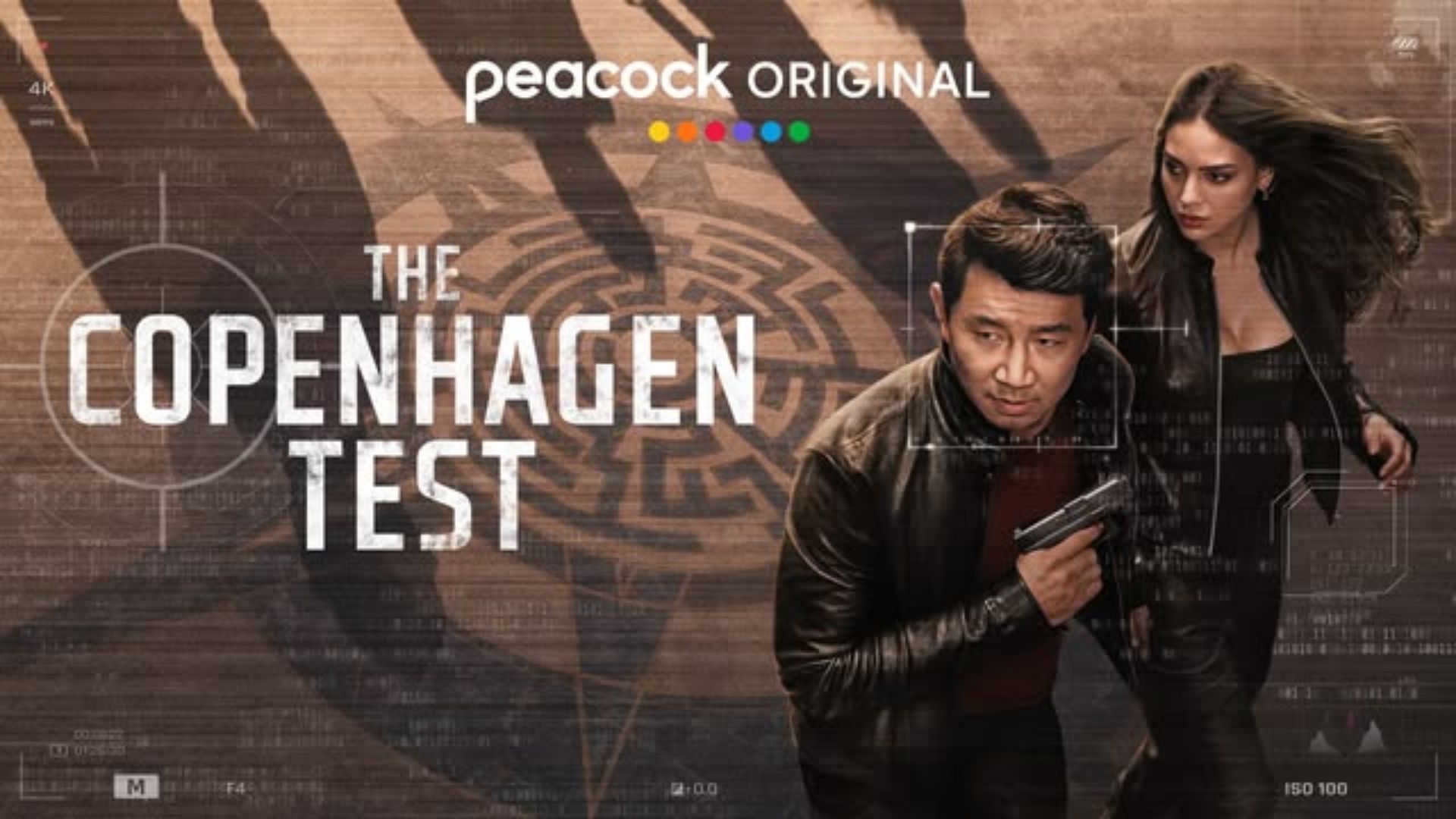
Peacock dropped The Copenhagen Test on December 27, 2025. It has become one of the must-watch shows of the holiday season.
This eight-episode sci-fi spy thriller, created by Thomas Brandon and backed by horror legend James Wan, puts Simu Liu and Melissa Barrera into a twisty story that makes you question everything you believe about surveillance, identity, and trust.
It is as if The Bourne Identity meets Black Mirror’s tech nightmares. The Copenhagen Test doesn’t just borrow from those worlds. It feels eerily close to real life, all while delivering heart-pounding action you expect from the best spy thrillers.
How The Copenhagen Test channels The Bourne Identity’s DNA

The Bourne Identity theme in this show is way more than surface-level. Alexander Hale is Jason Bourne’s spiritual cousin. He is an intelligence operative, but half the time he doesn’t even know who he is or who is pulling the strings. Both these characters are unsure about the people they can rely on in their companies. The mysterious organization dubbed The Orphanage has the same ethical vagueness as the CIA operations depicted in the Bourne films, ready to sacrifice individual agents for a better cause.
You can’t watch The Copenhagen Test without thinking of The Bourne Identity. It has the same secret-agent theme. The show mixes close-up, personal drama with edge-of-your-seat espionage, just like Bourne did back in the day. Alexander is carrying around the same kind of baggage as Bourne: ex-Special Forces, some dark choice haunting his every move. Both men are stuck in a dreadful limbo, trying to prove they are on the right side, but nobody seems convinced.
In Episode 7, the action sequences especially reveal the type of practical, visceral combat that characterized the Bourne movies. Liu performs amazing martial arts in a fight choreography that is more down-to-earth than fantastic. This isn’t about flashy superpowers. It’s about smart, calculated moves, every punch and kick with purpose. It brings back that same close-up intensity that made the Bourne series shake up the way action looks on screen.
But Alexander is an immigrant, first-gen Chinese American, whose parents got out after Tiananmen Square. He is dealing with people questioning if he is really on Team America. That layer of suspicion is not just a spy thriller. It’s about what it’s like to be caught between worlds, especially now with all the political baggage. The Copenhagen Test borrows from Bourne, but it has its own thing going on, and that makes it way more interesting.
The Black Mirror connection in The Copenhagen Test

What really sets The Copenhagen Test apart is how it explores technology messing with our sense of self and reality, just like Black Mirror, but with its own twist. The core idea is that Alexander’s eyes and ears get hacked, turning him into a walking surveillance tool. That’s classic Charlie Brooker nightmare fuel right there.
The critics, too, have pointed out how the show digs into questions about trust and surveillance in a way that hits right at the heart of Black Mirror fans. The nanotech worming its way into Alexander’s brain isn’t a far-off fantasy. It’s close enough to real life to make you want to put a sticky note over your webcam, just in case.
But the real trip is the fake reality they build around Alexander. Once his agency realizes he is compromised, they don’t just keep tabs on him; they go full Truman Show. They assign him a pretend girlfriend, throw him into field work, and script every part of his life. Every second of his life becomes this carefully arranged circus, and he is the main act who doesn’t even know he is performing.
The Copenhagen Test gets dark, and viewers are left wondering: Does Alexander even have a say in any of this? Can he trust what he sees, or feels, or even remembers? If his whole life is being stage-managed, does he even have real feelings about anything anymore? The show digs into this headspace with the kind of deep, squirmy psychological tension that made Black Mirror such a hit.
And then there’s the performative side of it all. Alexander can’t ever turn it off. He is stuck acting normal, pretending like he doesn’t know the walls are closing in, because one wrong move could blow the whole operation or get him killed. The constant pretending basically grinds him down, and it’s a pitch-perfect echo of how tech messes with our sense of self.
 Trending
We are all curating our lives for the ‘gram, but Alexander’s whole existence is a performance he can’t escape. That alone should make you rethink everything you think you know about privacy.
The Copenhagen Test pulls inspiration from all over: The Truman Show (which Liu actually loves) and Minority Report both leave their mark. Still, what really sets it apart is the way it mixes Bourne-style action with that dark, uneasy vibe you get from Black Mirror.


 Reply
Reply


