


'%20x='0'%20y='0'%20height='100%25'%20width='100%25'%20%0A%20%20%20%20%20%20%20%20%20%20xlink%3Ahref='data:image/jpg;base64,/9j/2wBDAAYEBQYFBAYGBQYHBwYIChAKCgkJChQODwwQFxQYGBcUFhYaHSUfGhsjHBYWICwgIyYnKSopGR8tMC0oMCUoKSj/2wBDAQcHBwoIChMKChMoGhYaKCgoKCgoKCgoKCgoKCgoKCgoKCgoKCgoKCgoKCgoKCgoKCgoKCgoKCgoKCgoKCgoKCj/wAARCAAGAAoDASIAAhEBAxEB/8QAFgABAQEAAAAAAAAAAAAAAAAAAAUG/8QAIRAAAgEDAwUAAAAAAAAAAAAAAQMCABEhBAUSBiMxQWH/xAAVAQEBAAAAAAAAAAAAAAAAAAADBP/EABwRAAEEAwEAAAAAAAAAAAAAAAEAAgMRBBIxwf/aAAwDAQACEQMRAD8AzTN21+5a1HGOlHemrmyBJBkAMAEAC1rebHPyqjekdsc2bXRYWTkZSIIyTk+qUqc8tDnyvj0aw0K9X//Z'%3E%3C/image%3E%3C/svg%3E)

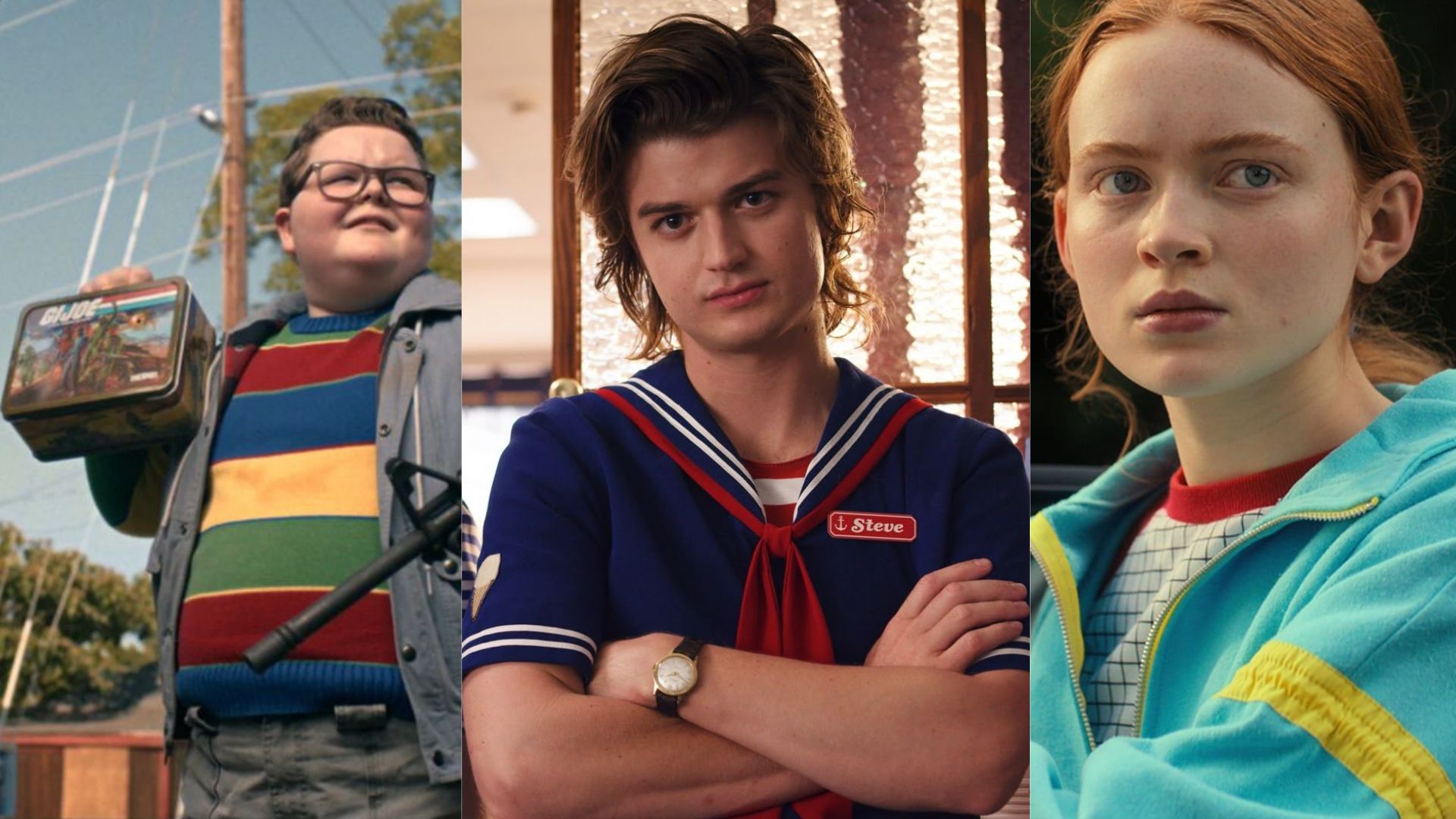
Stranger Things does something interesting with its characters. The ones viewers see the least often end up being the ones audiences love most. Steve Harrington went from being that jerk boyfriend to the guy everyone wants to protect. Max Mayfield appears for perhaps fourteen minutes in some seasons but leaves audiences thinking about her for weeks. And Derek Turnbow? He had four episodes to win viewers over in the final season, and somehow he did it.
What makes this work is pretty simple. When audiences don't get enough of something, they want it more. The show knows this. Every time Steve comes back on screen, it feels like seeing an old friend. Max's returns hit different because viewers have been waiting.
Derek's scenes in Stranger Things matter because there aren't many of them. The writers figured out that making audiences wait builds something more substantial than just showing them everything all at once. Fans end up creating their own connections to these characters in the spaces between their appearances.
The evolution of Steve Harrington in Stranger Things
Steve was initially intended to be the villain when he first appeared. He had perfect hair and acted as if he owned the school. The Duffer Brothers planned to kill him off in the first season. Then Joe Keery showed up and changed everything with his portrayal. They decided to keep him alive and see where it went. What happened next surprised audiences everywhere.
Steve started helping the kids instead of picking on them. He went from smashing Jonathan's camera to babysitting Dustin and the gang. His friendship with Dustin wasn't even in the original plan, but the writers just noticed both characters needed someone and threw them together. It worked better than anyone expected, creating one of the show's most beloved dynamics.
As Stranger Things added more characters, Steve got less time on screen. But viewers cared about him more, not less. Critics began calling him the heart of the show, while fans turned him into a protective figure they couldn't imagine the series without. His character growth occurred slowly over several seasons, rather than all at once, which made it believable.
Max Mayfield's powerful presence in Stranger Things since season 2
Max rolled into Hawkins on a skateboard in the second season with an attitude that set her apart from everyone else. The boys didn't know what to do with her at first, but Lucas eventually fell for her. Their relationship added a genuine element to the show that audiences immediately connected with. What made Max special was how she mixed being tough with being vulnerable in ways that felt authentic. She dealt with Billy, her stepbrother, who made her life difficult.
Then, after he died, she had to figure out how to process grief for someone who had hurt her. The fourth season gave her a total of maybe fourteen minutes of screen time, but those fourteen minutes hit harder than some characters' experiences in entire seasons.
That scene with "Running Up That Hill" became one of those moments everyone remembers. Max running through her memories while Kate Bush played, and her friends scrambling to save her, captured something about fighting your own mind that felt real. Because viewers don't see Max all the time, scenes like this have a different impact.
He returns in the fifth season, bringing much delight to viewers along with new burning questions around the storyline of Vecna and Holly.
Derek Turnbow's unexpected rise in Stranger Things
Derek showed up in the fifth season as this bratty kid everyone called Dipshit Derek. He bullied Holly Wheeler and acted like a spoiled nightmare, making it hard for viewers to like him initially. Nobody thought audiences would end up rooting for him. Then Jake Connelly brought something unexpected to the character that caught the creators' attention.
The Duffers saw it and gave him more to do than they'd originally planned. Derek changed rapidly, with four episodes transforming him from being the worst to someone people actually cared about. He started calling himself Delightful Derek, which somehow worked despite how ridiculous it sounds.
When things got serious, Derek stepped up in ways that surprised everyone watching. He helped break kids out of military facilities using his brain instead of just being a bully. Jake Connelly played him with this natural charm that made every scene count and won over sceptical viewers.
Why this strategy works for Stranger Things
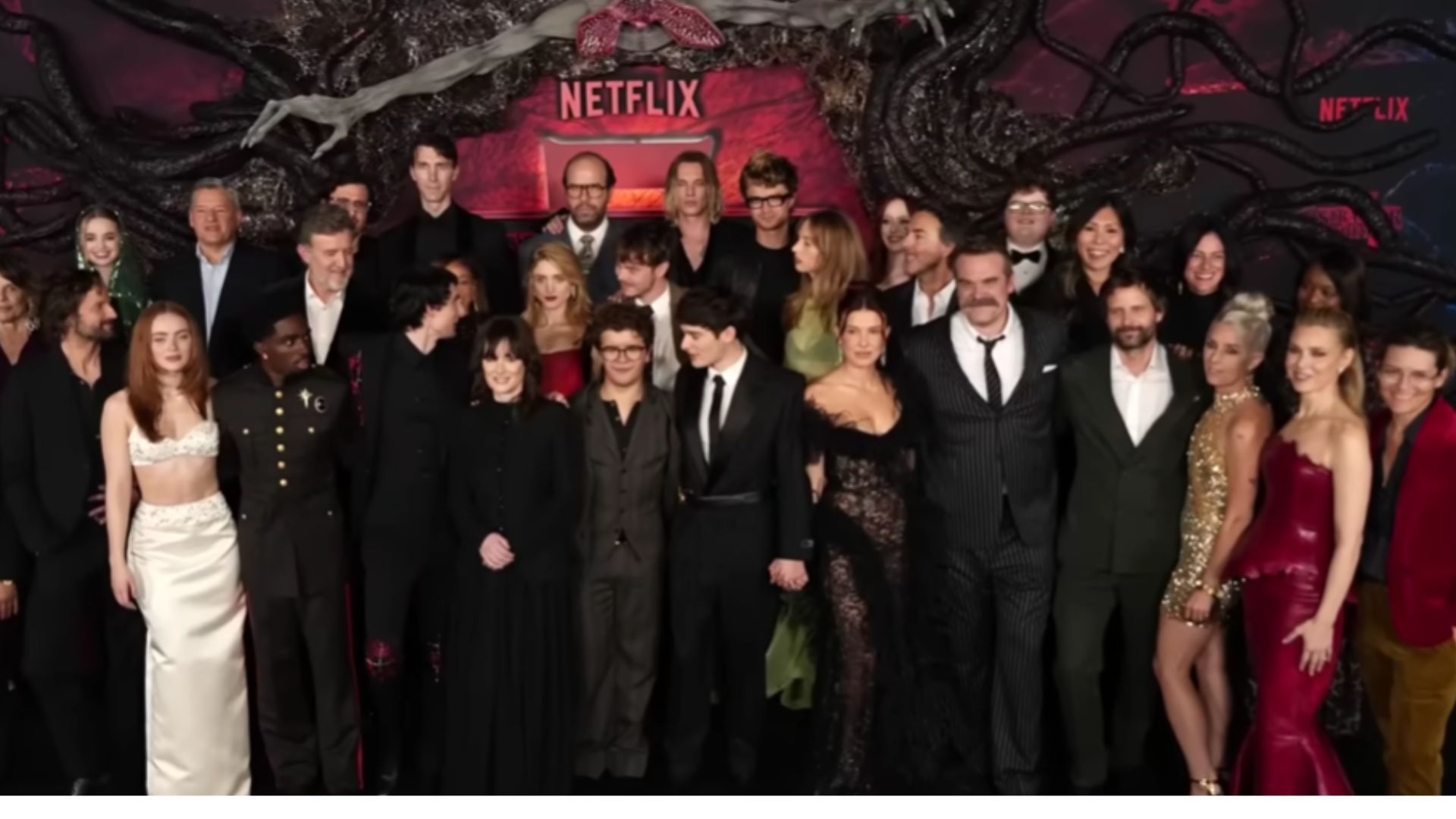
Stranger Things captures something that many shows miss about audience psychology. When viewers can't have something all the time, they want it more. Fans want more Steve because they're not drowning in Steve content every episode. Max's rare appearances make them feel bigger than they would if she were in every scene. Derek went from zero to hero quickly because his scenes had to contribute something meaningful.
The show now has so many characters that everyone can't be the primary focus at once. However, instead of being a problem, this variety keeps things interesting for audiences who appreciate it. Different people get their moments at varying times throughout the season.
This approach also builds community in unexpected ways. Fans go online to talk about these characters after episodes air and share clips of their favorite moments. They come up with theories about what will happen next based on limited information.
When characters aren't on screen constantly, there's room for audiences to imagine what they're doing in between appearances. Stranger Things provides viewers with enough to build on, but doesn't fill in every detail, and that space allows fans to connect with the characters in their own way.
The emotional investment factor for Stranger Things
Steve, Max, and Derek prove that being on screen all the time isn't what makes audiences care about characters. Steve took seasons to go from jerk to hero, and viewers watched every step of that journey unfold naturally. Max dealt with trauma in ways that felt real, even though audiences only saw pieces of it throughout the season.
Derek changed fast, but it worked because the writing was solid and his arc felt earned. The fewer viewers know of them, the more protective they get about these characters in Stranger Things. Fans worry about Steve every season, wondering if this is when he dies.
 Trending
They argue online about whether Max will wake up from her coma and what that means for the story. They celebrated Derek turning his life around as if he were a real person deserving of redemption.
Stranger Things figured out how to make audiences care and then make them wait for more. Steve, Max, and Derek show this over and over throughout their arcs. Their stories stick with people long after the episodes end, and conversations continue online. Being rare makes them more memorable than forgettable in the minds of viewers.


 Reply
Reply


