


'%20x='0'%20y='0'%20height='100%25'%20width='100%25'%20%0A%20%20%20%20%20%20%20%20%20%20xlink%3Ahref='data:image/jpg;base64,/9j/2wBDAAYEBQYFBAYGBQYHBwYIChAKCgkJChQODwwQFxQYGBcUFhYaHSUfGhsjHBYWICwgIyYnKSopGR8tMC0oMCUoKSj/2wBDAQcHBwoIChMKChMoGhYaKCgoKCgoKCgoKCgoKCgoKCgoKCgoKCgoKCgoKCgoKCgoKCgoKCgoKCgoKCgoKCgoKCj/wAARCAAGAAoDASIAAhEBAxEB/8QAFgABAQEAAAAAAAAAAAAAAAAAAAUH/8QAHRAAAgICAwEAAAAAAAAAAAAAAQMAAhESFSExUf/EABUBAQEAAAAAAAAAAAAAAAAAAAME/8QAFREBAQAAAAAAAAAAAAAAAAAAABH/2gAMAwEAAhEDEQA/AMH5ZgQxVK6qNQNMAgefZIPZzESgNr//2Q=='%3E%3C/image%3E%3C/svg%3E)

Falling Skies, created by Robert Rodat and Steven Spielberg as the executive producer, had its premiere in 2011 on TNT as a character-centric alien invasion narrative. Following a catastrophic Espheni strike that devastated the Earth and humanity, the story of Falling Skies follows a historian-turned-insurgent leader, Tom Mason, played by Noah Wyle. The 2nd Massachusetts regiment struggled not just to keep breathing, but to keep the flame of hope alive in a bleak world.
Season 5 ended with Tom killing the Espheni Queen, and apparently ending the alien threat, but at great personal cost with the death of his wife, Anne. While the finale gave emotional closure, a lot of fans were left wondering why a series that was still popular decided to end. However, the truth is that Falling Skies was not brought to an end by its removal, but season 5 was announced to be the final one at the time of its renewal itself.
Read on to know more.
Falling Skies was not cancelled but allowed to end on its own terms
When TNT renewed the series for its fifth season in July 2014, it was the final season. It was a mutual decision between showrunner David Eick and the network that the story arc had run its course. Noah Wyle later added that the creative team was thankful to be able to end while they still had the chance to plan a proper end rather than an abrupt off-season cancellation that many genre shows aren’t so lucky to avoid.
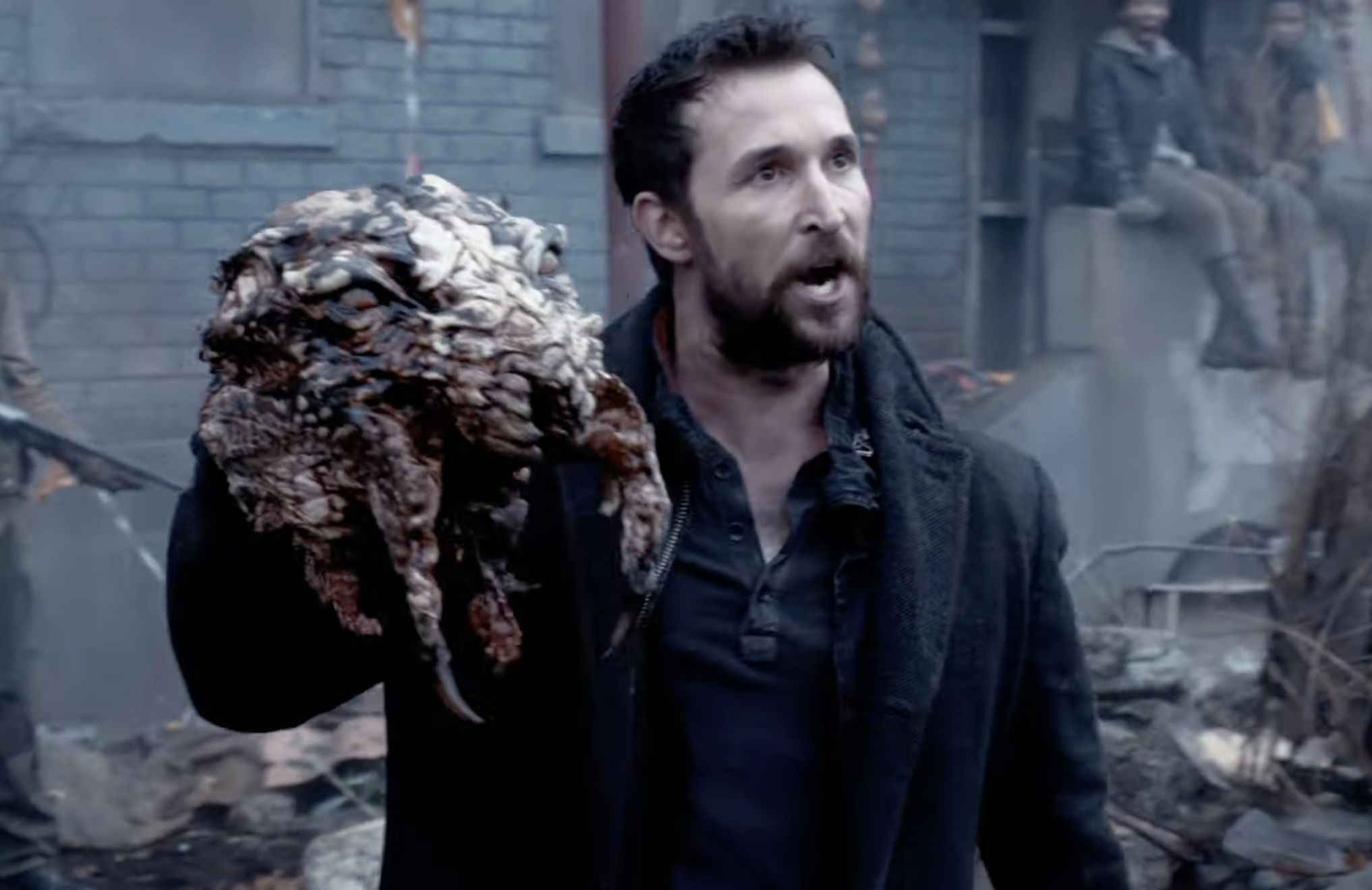
That didn't mean that it was the only ending on the table. Eick has said in interviews that he originally wanted a more ambiguous, bleak ending scene, making a circle back to the alien critter bioweapon which Tom used to kill the Espheni Queen.
This version of the ending showed the monster would just briefly reappear at the end, running away as the screen turned to black, implying that the danger is not completely erased. TNT rejected this version, preferring to end the possibility for spinoffs, TV movies, or extended speculation.
What Falling Skies season 6 could have explored if it had happened
If Falling Skies had been renewed for season six, it could have answered the mystery of Dornia among the bigger questions remaining to be answered. After bringing Anne and her unborn child back to life, the Dornia vanishes completely from the story. The series never discloses if she really died, was reincarnated, or was playing some larger game.
 Trending
But alien conspiracies aren't the only thing a sixth season could help explore. The show has been character-centric, and therefore, season 6 could have also shown Tom’s refusal to become a global leader while also suggesting a narrative shift toward rebuilding civilization, with new leaders and new moral dilemmas entering into scenes.
The tension around Volm was also long-simmering and had been hinted at early in season 3. This could have been dug deeper in the sixth season, showcasing the conflict escalating. This would have reinforced the idea that even with the Espheni gone, peace was never guaranteed. However, the show chose to end the show with an emotional closure rather than exposing the perpetual suffering of the characters.


 Reply
Reply


