


'%20x='0'%20y='0'%20height='100%25'%20width='100%25'%20%0A%20%20%20%20%20%20%20%20%20%20xlink%3Ahref='data:image/jpg;base64,/9j/2wBDAAYEBQYFBAYGBQYHBwYIChAKCgkJChQODwwQFxQYGBcUFhYaHSUfGhsjHBYWICwgIyYnKSopGR8tMC0oMCUoKSj/2wBDAQcHBwoIChMKChMoGhYaKCgoKCgoKCgoKCgoKCgoKCgoKCgoKCgoKCgoKCgoKCgoKCgoKCgoKCgoKCgoKCgoKCj/wAARCAAGAAoDASIAAhEBAxEB/8QAFgABAQEAAAAAAAAAAAAAAAAAAAUH/8QAIBAAAgEDBAMAAAAAAAAAAAAAAQIDABEhBAYSIkFRYf/EABUBAQEAAAAAAAAAAAAAAAAAAAME/8QAFxEBAQEBAAAAAAAAAAAAAAAAAQACEf/aAAwDAQACEQMRAD8AyHTbobTRPNLAzTNKnGSKQxta1ipIyVwLDwavx7lvGp4zPgdnYFj9J90pRJU5e3//2Q=='%3E%3C/image%3E%3C/svg%3E)

Homeland series will always be recognized for its unforgettable moments, but nothing was more memorable to the audience than the ultimate fate of Peter Quinn! The fandom that engaged in the debate about his journey from the very first appearance to the dying murmurs of his character still remembers the horrible end that sealed his arc.
So, what is the last destiny of Peter Quinn at the end of the show? He dies in the sixth season after he was shot in an ambush and was fatally wounded while trying to rescue Carrie Mathison and President-elect Elizabeth Keane.
The episode was sad, but still, it marked the conclusion of a character's long and cruel fight, who had already gone through both physical and psychological trauma, and had completed many missions. His death was simple, abrupt, and became one of the most powerful exits in the series.
Peter Quinn's role and early journey in Homeland
Peter Quinn came into the Homeland as a CIA paramilitary officer of great training and vast experience. The virtues of efficiency, precision, and discipline that he possessed made him one of the most important characters, already at the very beginning of the series, who participated in key missions.
Quinn was pushing through the narrative of the show from the very first moment. He was someone carrying out difficult assignments, yet emotionally untouched, and very firmly controlled at that.
As time went by, the narrative of Homeland unfolded, and more and more layers of the character behind the operative were revealed to the audience. Quinn was really torn between the moral aspect of his job and the repercussions of his decisions taken on the field. His allegiance to the CIA and then to Carrie Mathison were the traits that defined him. This emotional layer made his later conflicts even more tragic.
The turning point: Sarin gas exposure in Homeland Season 5
One of the most crucial moments in the life of Quinn was marked by Season 5. On a secret mission in Berlin, he was exposed to sarin gas, a nerve agent that the human body cannot cope with, and it affects the brain the most. The brain of a man who had been exposed to this agent would operate at a very low level and would also have physical limitations for the rest of his life.
Quinn was left in a critical state at the end of season 5, and when the sixth season opened, things didn't look good for him. The series portrayed his symptoms: difficulties in speech, unsteady movements, forgetfulness, and bad decisions, with such precision. This gas exposure completely changed his fate, and nothing would ever be the same.
Quinn's mental and physical health in Homeland Season 6
Peter Quinn in Season 6 was practically a new person compared to the operative he used to be. His accidents left him with a lousy daily performance, a poor emotional state, and he was quite confused about who he was. But still, he had a very close relationship with Carrie Mathison and her life, which sometimes seemed complicated and had many layers.
The build-up to Peter Quinn's last episode in Homeland
The conspiracy involving the President-elect became the highlight in the last episode of season 6 and had repurcussions for Quinn. Even when hurt, he was still sharp, vigilant, and guided by the instincts he had developed through years of CIA work. The more the situation heated up, the more Quinn found himself in the middle of the risk, something he had done but failed to escape since the sarin attack.
During that time, his protective instinct towards Carrie Mathison was remarkably strong. Although Homeland did not over-dramatize their relationship, the connection between them was still a key point in the show and emotionally significant. It greatly influenced his decision at the finale.
How Peter Quinn dies in Homeland
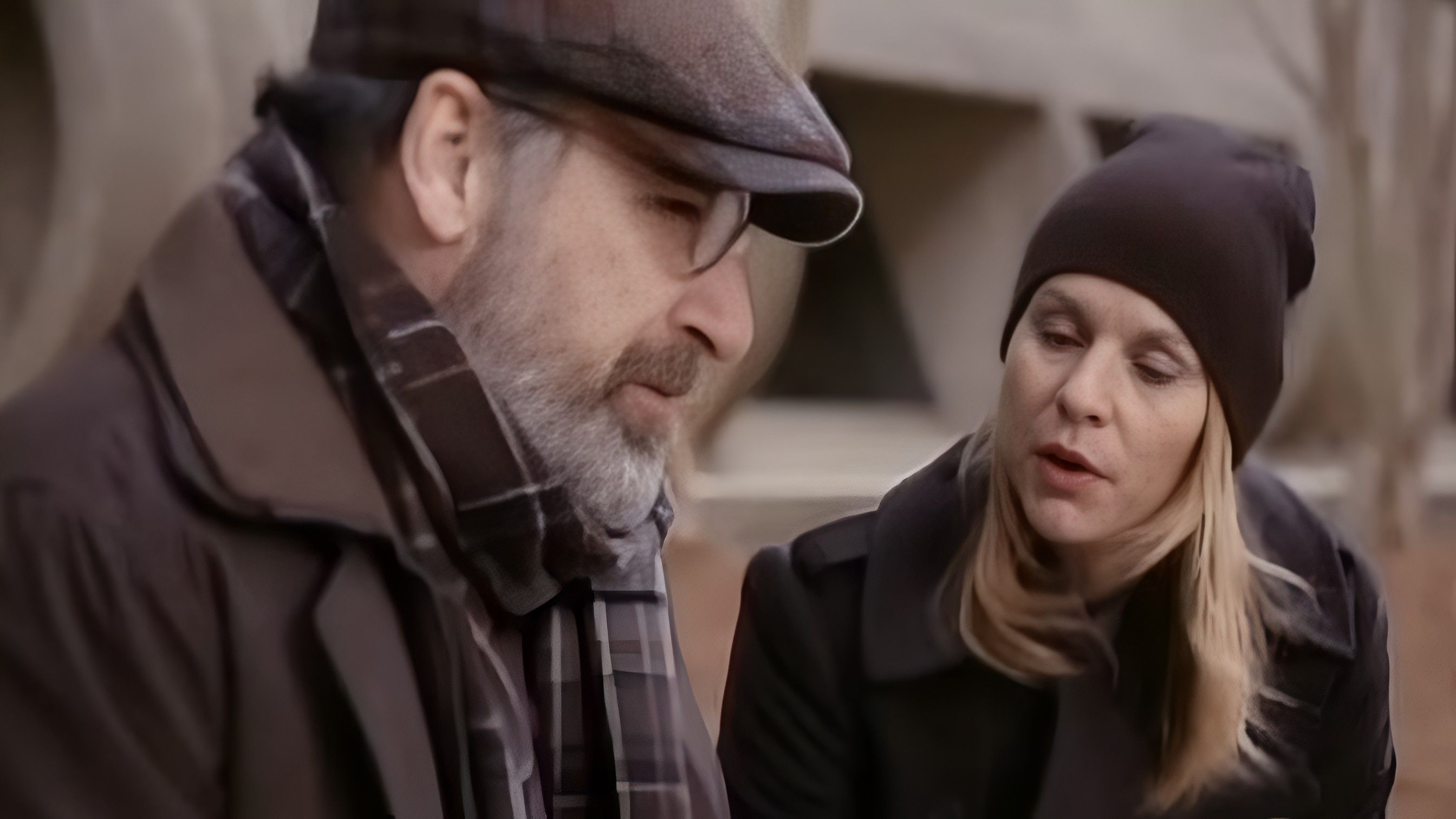
The death of Peter Quinn is portrayed in the last episode of season 6, named America First. In the same episode, Quinn is driving the car with Carrie Mathison and the President-elect Elizabeth Keane when he notices that they are driving into an ambush. The attackers start to shoot straight away and very quickly.
Quinn, in a moment of instinct and training, manages to place himself between Carrie and the President-elect as the bullets hit the car. He gets shot several times. Quinn succumbs to injury from several gunshots.
Why Homeland chose to end his story
Rupert Friend, the actor who played Quinn, had an unreserved discussion regarding the decision made by the writers, indicating that, due to the physical and neurological damage suffered by his character after the sarin gas attack, recovery was not a realistic proposition.
As per Entertainment Weekly, Rupert Friend said:
"The storyteller in me thought it was the right time for him to go bearing in mind he had been through so much, and for him to just continue to defy death and suffer felt cruel and unrealistic and sadistic, actually. So I was happy for him, the character."
The rationale behind this was to keep the show’s characteristically sober tone.
The show did not grant Quinn an emotions-laden or metaphoric ending but instead picked a closure that corresponded with the actualities of the situation he was in.
Peter Quinn’s legacy in Homeland
Quinn’s impact was still felt in the seasons that followed, particularly in the case of Carrie Mathison, who went through an emotional process connected with his death. The clandestine role of the operative character that Quinn played showed not only the long-term effects of such work but also the very secret sacrifices that were made by people working in the intelligence community.
He was one of the most memorable personalities portrayed in the show Homeland not because he was a heroic figure, but precisely for the reason that the series showed him to be imperfect, human, and greatly marked by his experiences.
 Trending
Also read: Homeland Season 1 Episode 5 recap: Hamid's interrogation leads to Faisel and a suspicious death


 Reply
Reply


