


'%20x='0'%20y='0'%20height='100%25'%20width='100%25'%20%0A%20%20%20%20%20%20%20%20%20%20xlink%3Ahref='data:image/jpg;base64,/9j/2wBDAAYEBQYFBAYGBQYHBwYIChAKCgkJChQODwwQFxQYGBcUFhYaHSUfGhsjHBYWICwgIyYnKSopGR8tMC0oMCUoKSj/2wBDAQcHBwoIChMKChMoGhYaKCgoKCgoKCgoKCgoKCgoKCgoKCgoKCgoKCgoKCgoKCgoKCgoKCgoKCgoKCgoKCgoKCj/wAARCAAGAAoDASIAAhEBAxEB/8QAFgABAQEAAAAAAAAAAAAAAAAAAAUH/8QAHhAAAgICAgMAAAAAAAAAAAAAAQIDBAARBQYhQXH/xAAVAQEBAAAAAAAAAAAAAAAAAAADBP/EABcRAAMBAAAAAAAAAAAAAAAAAAABAhH/2gAMAwEAAhEDEQA/AMgq8lHTqNNaribQBRFOgdkjycqQydZeJGml5dZSoLKkERUH2AS+yPuMYLK5en//2Q=='%3E%3C/image%3E%3C/svg%3E)

The Diplomat debuted on Netflix in 2023, and honestly, it caught many people off guard. Keri Russell plays Kate Wyler, a seasoned diplomat who gets thrown into the ambassador job in the UK just as everything's blowing up.
Debora Cahn, who created it, is best remembered for The West Wing and Homeland. Here's the thing, though: it's not just another show about politics and backstabbing.
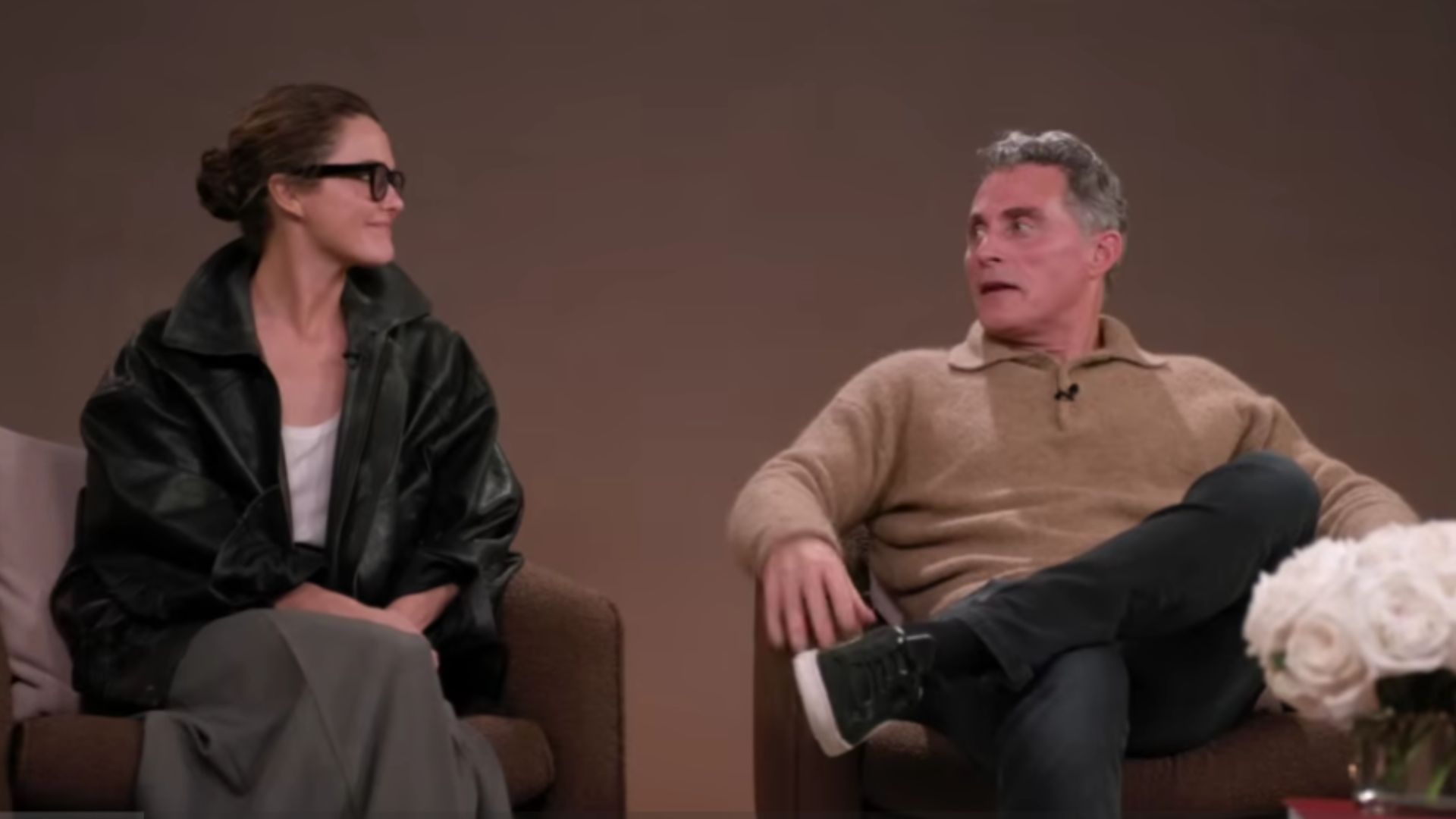
The writing's got this snap to it that keeps you glued to your screen. October brought us Season 3, and the reviews have been wild. Critics love the dialogue. Viewers appreciate how the characters feel like genuine individuals. And the cast? They won't shut up about how good the scripts are. When you've got Rufus Sewell, Allison Janney, and Bradley Whitford all raving about the same thing, that tells you something, and the Emmys noticed too.
How does Debora Cahn craft such compelling stories?
Cahn has this approach that's kind of brilliant in its simplicity. She doesn't show up with every beat mapped out. Instead, she walks into the room with her writers and says,
"Here's roughly where we are, here's where I think we're headed, let's figure out how to get there."
Sometimes the destination changes completely. She's discussed how the first season was initially intended to end differently, but the story needed more time to unfold. What started as the last two episodes became the entire second season. Rufus Sewell, who plays Hal, said the following about the characters:
"There were characters who just have a couple of lines and also scenes..because they are written with all of the potentiality of a full life."
The Diplomat delves into real diplomatic work by speaking with actual individuals who perform this job. Cahn met with diplomats and civil servants, asked them about their lives, their struggles, and what keeps them up at night. That research bleeds into every scene. She said the following about the creation.
What do the cast members say about the writing in The Diplomat?
Russell's been acting long enough to know when a script's special. She talked about the humor mixed with this frantic energy, reminiscent of old Hollywood screwball comedies, but set in embassies and crisis rooms. The amount of dialogue intimidated her sometimes, and she joked about wishing she could mime everything, but she loves what Cahn gave her to work with.
Sewell read the pilot and thought, yeah, this is it. The rhythm of the conversations between Kate and Hal felt immediately right to him. They bicker like people who've been married forever, finishing each other's thoughts or cutting each other off because they already know what's coming.
That's hard to write convincingly. Whitford came aboard for the third season after watching the show and feeling genuinely envious of the cast. The scripts made him jealous. Then he received the call to join, which also meant working with Janney again after their days on The West Wing. That reunion's been a highlight for both of them.
Why do the dialogues feel so authentic in The Diplomat?
People mention Aaron Sorkin when they talk about The Diplomat, and sure, there's that rapid-fire quality. But Cahn's carved out her own lane here. She studied how diplomats communicate when everything's on fire. They don't have time for complete sentences. Context is understood. Everyone's three steps ahead in the conversation already. That creates this propulsive momentum that makes even scenes of people sitting around a table feel urgent.
The show's not all adrenaline, though. Season 3 has these moments where Kate sits with her disappointment after Hal gets the VP slot she'd been eyeing. No dialogue, just her face processing this betrayal and loss.
Those beats land because we've been racing alongside these characters, and suddenly we stop and feel the weight of it all. Cahn doesn't spoon-feed exposition either. She assumes you're paying attention, that you can follow complex geopolitical maneuvering without a character explaining everything like you're five. Audiences appreciate being treated like adults.
How has The Diplomat evolved across three seasons?
Season 1 laid the groundwork as Kate adjusted to ambassador life, investigated the bombing, and navigated her crumbling marriage to Hal. Multiple threads were introduced that seemed minor but proved significant later. Classic setup work.
Then Season 2 went nuclear. Grace Penn, the vice president, turned out to be behind the attack. Then the President died suddenly.
Penn became President overnight. Everything Kate thought she understood about the power structure evaporated.
Season 3's picking up those pieces. Hal's the new VP, which nobody saw coming, least of all Kate. Their marriage was rocky before; now it's barely holding together. Cahn described this season as flipping the chessboard, and she meant it. Kate technically got closer to power, but at what cost? Her husband's working for the woman who orchestrated a terrorist attack. The moral compromises keep stacking up in The Diplomat.
What makes the character development stand out in The Diplomat?
Kate breaks the mold for political drama protagonists in The Diplomat. She's uncomfortable at formal events. She doesn't want to pose for magazines or host fancy dinners. The show lets her be awkward and rumpled. She's brilliant at her job but terrible at the social aspects.
Hal's equally textured. Charismatic, yes. Smart, absolutely. But also impulsive and hungry for the spotlight in ways that undermine his wife. Their relationship works on screen because the writing shows you why they're together and why they're falling apart simultaneously.
You get both sides. Supporting players aren't just furniture either. Austin Dennison's wrestling with his own crisis as Foreign Secretary, dealing with an increasingly unhinged prime minister. Grace Penn could've been a straightforward villain, but the show gives her dimensions, reasons, and a perspective that complicates easy judgments.
 Trending
The Diplomat clicks because Cahn writes material that challenges her actors, and they consistently rise to meet it.


 Reply
Reply


