


'%20x='0'%20y='0'%20height='100%25'%20width='100%25'%20%0A%20%20%20%20%20%20%20%20%20%20xlink%3Ahref='data:image/jpg;base64,/9j/2wBDAAYEBQYFBAYGBQYHBwYIChAKCgkJChQODwwQFxQYGBcUFhYaHSUfGhsjHBYWICwgIyYnKSopGR8tMC0oMCUoKSj/2wBDAQcHBwoIChMKChMoGhYaKCgoKCgoKCgoKCgoKCgoKCgoKCgoKCgoKCgoKCgoKCgoKCgoKCgoKCgoKCgoKCgoKCj/wAARCAAGAAoDASIAAhEBAxEB/8QAFgABAQEAAAAAAAAAAAAAAAAAAAUG/8QAIBAAAgEDBAMAAAAAAAAAAAAAAQIDAAQRBQcSITFBYf/EABQBAQAAAAAAAAAAAAAAAAAAAAT/xAAXEQADAQAAAAAAAAAAAAAAAAAAAzER/9oADAMBAAIRAxEAPwCFrurWcO4TsYnL2lmVmKxqvJmPRUA49gHx0KwN/tzI19cstxFxMjEZYg4yflKUZVEbD//Z'%3E%3C/image%3E%3C/svg%3E)

Showtime's espionage thriller Homeland is filled with complex characters.
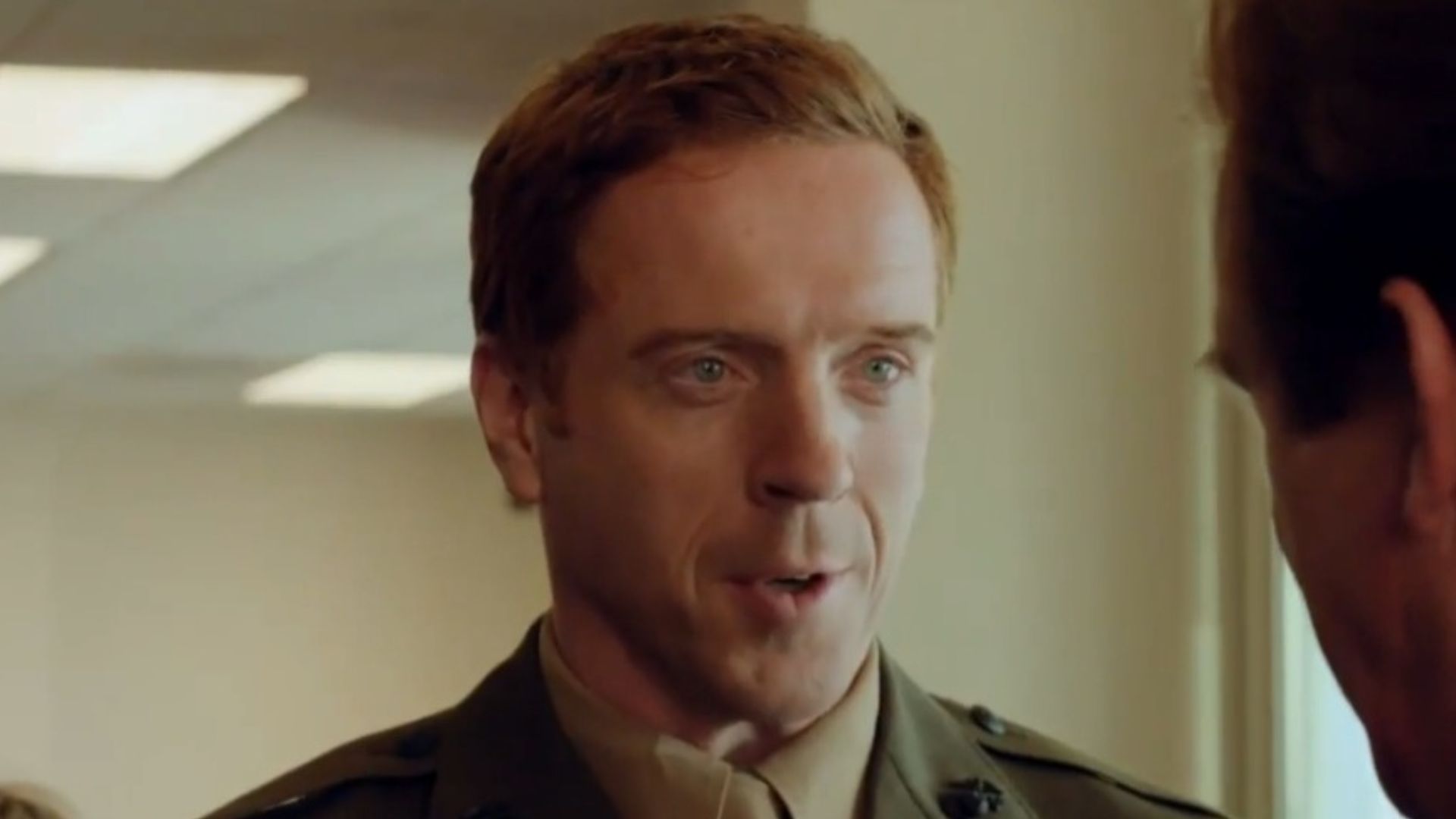
Among them is Damian Lewis' Nicholas Brody, a US Marine Sergeant and a war prisoner. He was held captive by al-Qaeda for eight long years, after which he was rescued by Delta Force.
After eight years, his homecoming felt like a national victory. On paper, Brody was a survivor of war. In reality, Homeland positioned him as something far more complicated, a man shaped by experience, isolation, and a slow process of psychological influence.
The early episodes show Brody struggling to reconnect with daily life. His changed body language and behaviour are some of the pointers that are too hard to miss. The audience knows that he's hiding something, but the show reveals the truth gradually. By the time flashbacks begin to fill the missing years, viewers understand that the central question is not whether Brody was turned but how he became vulnerable to it.
Homeland does not rely on a single dramatic twist. Instead, it builds a sequence of events that shows how one soldier slowly shifted from endurance to allegiance.
Was Brody turned in Homeland?
Yes, Nicholas Brody was turned in Homeland. To understand Brody's turn, the show takes viewers back to his life during his eight years in captivity. We get to know about it via flashback sequences in Homeland Season 1 Episode 9. In this episode, we see Brody in a supermarket, who seems done with working for Abu Nazir. However, at the parking lot, he's taken by three thugs who drug him and take him to a mysterious location. As he dozes off, we get a clear flashback of what happened to him during those eight years.
After months of starvation and abuse, the violence stops. He is cleaned, clothed, and placed in a proper room instead of a dingy cell. Nazir rescues and speaks to him calmly. For a prisoner stripped of basic amenities, this shift is profound. It changes the power dynamics.
Nazir asks Brody to teach English to his young son, Issa. Brody, desperate for stability, accepts it and slowly begins to build a bond with the boy. They play, read, and work through basic vocabulary. They even bond over football. Brody begins to care for him in a way that resembles his bond with his children back home.
Brody becomes Issa's mentor and protector. For the first time since his capture, he experiences a sense of purpose.
The turning point arrives after a drone strike. A U.S operation hits a school, killing Issa along with a dozen children. When Brody learns about the tragedy, he collapses with grief. Nazir grieves with him. This moment marks the shift in Brody's conscience. The strike is followed by a televised statement from the US Vice President denying the deaths. For Brody, the denial becomes proof of betrayal.
The man who once fought for America now feels abandoned by it. Nazir offers a narrative that fits the trauma that the system Brody defended had caused harm without accountability. Brody's choice became influenced by that belief.
Back in the U.S, the CIA begins noticing inconsistencies. Carrie Mathison is the first to suspect him. She tracks his routine, studies his responses, and picks up details others miss. She sees both PTSD and secrecy. As episodes unfold, Brody's interactions with Nazir's network continue through covert communications and instructions tailored to political opportunity.
Brody begins to lie about contacts, disappears for unexplained reasons. He is even approached with the possibility of running for political office, a fact tied directly to Nazir's long-term strategy.
Nazir sees political potential in Brody and positions him for influence. All he needs to do is build a good rapport with the VP William Walden.
Carrie's surveillance exposes fragments of the truth. Brody's connection with Nazir becomes clearer. When he's exposed, the CIA urges him to be a double agent. Unfortunately, this plunges him into confusion and a puddle he can never get out of.
What happens to Brody in the end?
Brody's story ends in Homeland Season 3. After an undercover CIA operation in Iran, he is captured by Iranian authorities. Turns out he is framed by Al-Qaeda. This time, the CIA cannot protect him. He was publicly hanged in Tehran. Carrie, powerless, watches him from a distance. In short, Brody becomes a victim of the system where everybody seems to be concerned for their own benefit.
 Trending
Also Read: What happens to Peter Quinn in Homeland? Character's fate explored
Follow Soap Central for more such updates on Homeland.


 Reply
Reply


